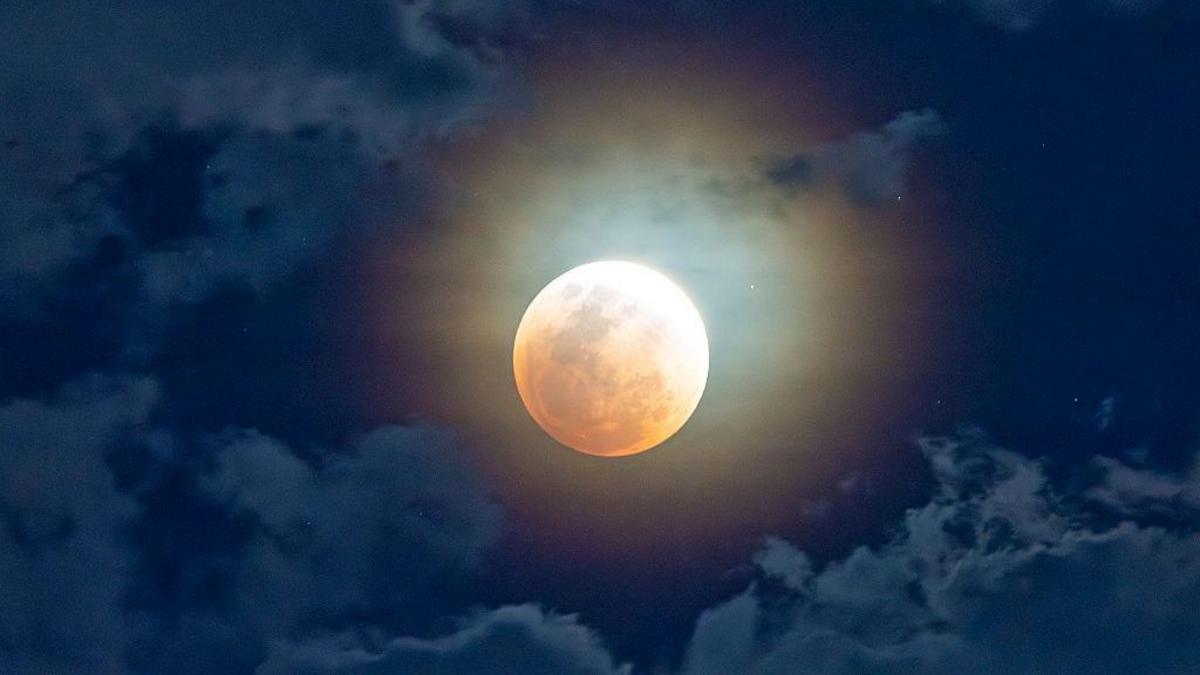
Moon set to turn red as rare partial lunar eclipse graces UK skies on Friday
Get the Energy newsletter
Daily energy & climate — solar, EVs, oil, the policy fights and tech bets shaping the transition. Free.
- Partial lunar eclipse occurs in the early hours of Friday as the Sun, Earth and Moon align, turning the full Sturgeon Moon red.
- Main partial phase begins at 03:33 BST and reaches maximum at 05:12, when approximately 93% of the Moon will sit within Earth's darkest shadow (the umbra).
- The eclipse technically ends at 06:51 but won't be visible across the UK because moonset times range from 06:00 in Lerwick to 06:15 in London and 06:42 in Enniskillen.
- The Moon illusion will amplify the spectacle — the Moon's low south-western horizon position tricks the brain into perceiving it as larger than normal.
- The Moon turns red because longer red wavelengths pass through Earth's atmosphere while shorter blue wavelengths scatter, with the surviving red light reflected back toward Earth.
- Cloud and rain may obscure views for many; the best chances are in eastern and south-eastern England, with possible clear spells in Northern Ireland and parts of western Scotland under a slack low-pressure system.
- The event follows the UK's most dramatic partial solar eclipse in nearly 30 years, which occurred just weeks earlier.
Why it matters: UK skywatchers get a rare 93% partial lunar eclipse peaking at 05:12 BST Friday, but the window is razor-thin — the eclipse ends at 06:51 while UK moonset runs from 06:00 (Lerwick) to 06:42 (Enniskillen), and a slack low-pressure system makes cloud breaks unpredictable outside the south-east.
Ask SkimNews