Eating one avocado a day may lower heart disease risk — SkimNews
SkimNews Take
Focusing on LDL particle concentration rather than standard LDL-cholesterol points to particle size and number as the operative lever — a more granular cardiovascular signal than routine lipid panels capture.
Get the Health newsletter
Daily health & science — research, biotech, public health, the studies worth knowing. Free.
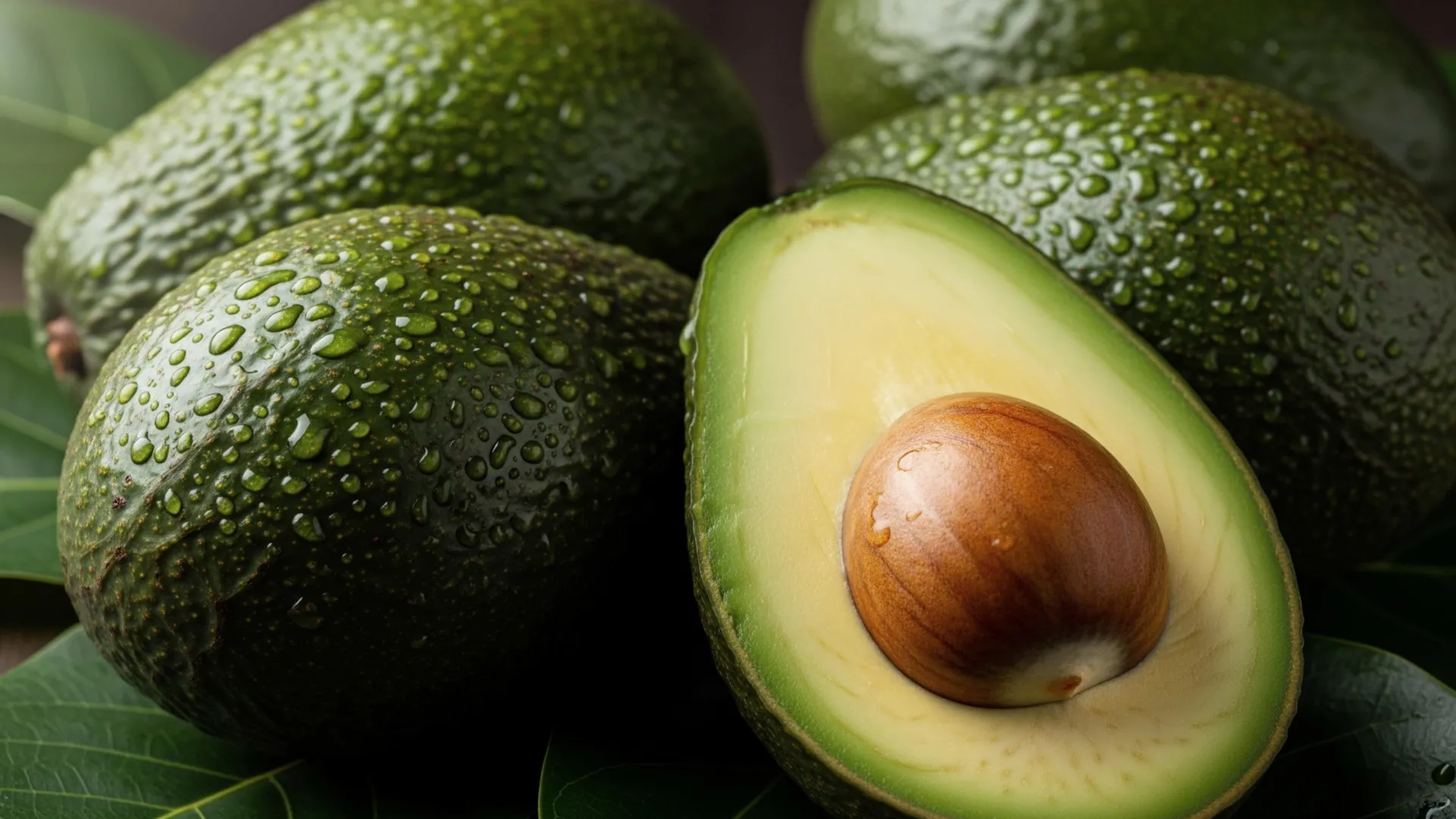
- Penn State researchers found that daily avocado consumption lowered LDL particle concentrations by 49 nanomoles per liter over six months, corresponding to an estimated 4% reduction in heart disease risk among adults with abdominal obesity.
- The Habitual Diet and Avocado Trial enrolled 786 adults aged 25 and older — men with waist circumferences over 40 inches and women over 35 inches — who continued their normal diets and physical activity, with half assigned to eat one avocado daily.
- The LDL particle benefit was consistent across sex, race, ethnicity, age, and body mass index, according to first author Janhavi Damani, suggesting adults with obesity from a wide range of backgrounds could benefit.
- Unlike earlier Penn State avocado research that strictly controlled what participants ate, this study tracked real-world eating patterns; senior author Kristina Petersen said the result shows avocado consumption contributes to a healthier diet even when the rest of the diet is unchanged.
- The 4% risk reduction is modest compared to the 14–29% lower heart disease risk associated with improving overall diet quality, and daily avocados did not reduce body weight or waist circumference in prior analyses of the same trial.
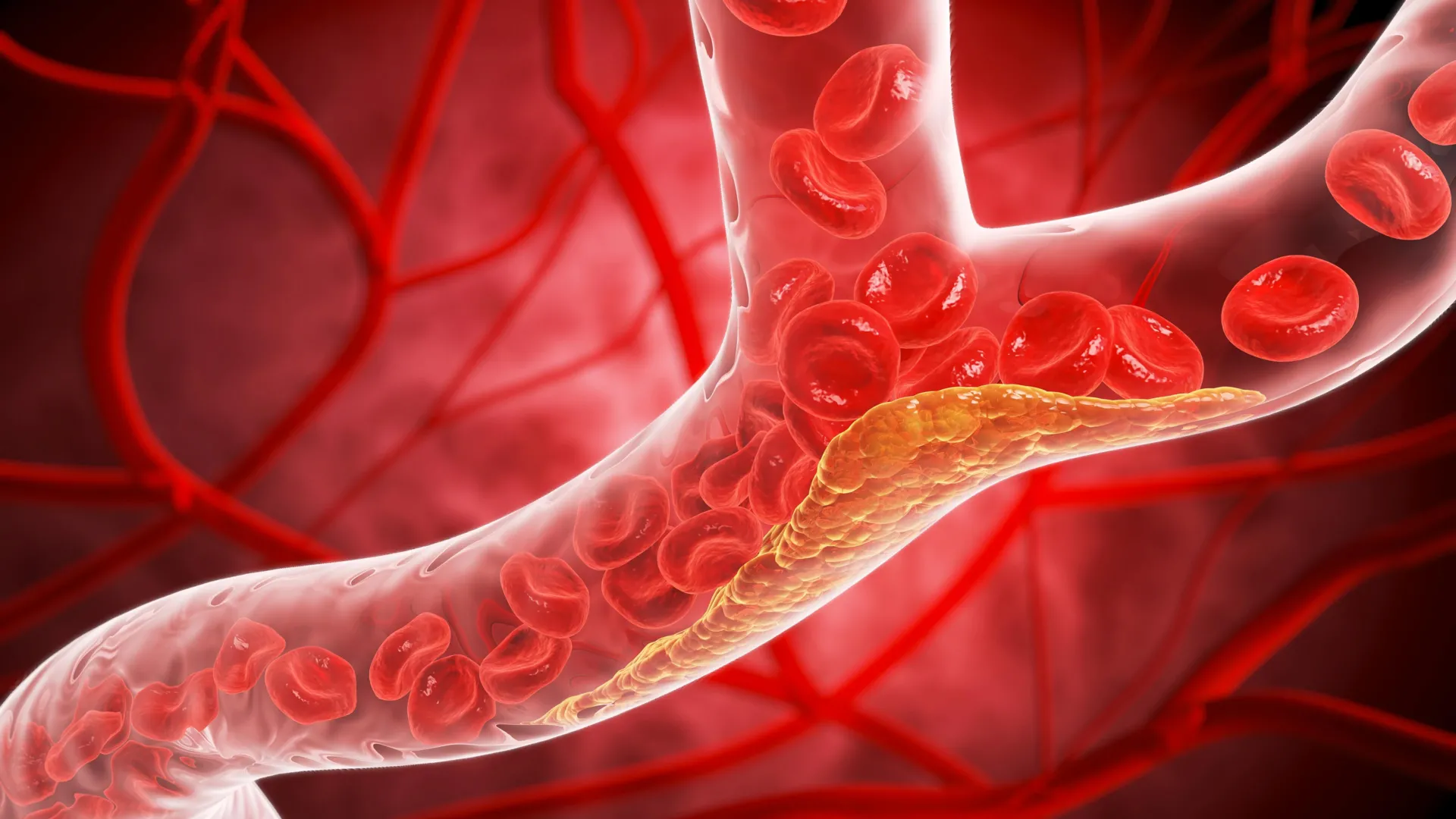
- The study, published in the Journal of Clinical Lipidology, distinguishes LDL particle concentration — not standard LDL cholesterol — as the key metric, because smaller, more numerous particles more easily penetrate artery walls and drive plaque buildup.
- The trial was funded by the Avocado Nutrition Center, an industry-backed group, a relationship not flagged in most headline coverage.
Why it matters: For the roughly 40% of U.S. adults with obesity, the study offers a single, low-effort dietary change that modestly lowers cardiovascular risk without requiring a full diet overhaul — but the 4% reduction is small compared to the 14–29% gains tied to broader dietary improvement, and the Avocado Nutrition Center's funding is a conflict of interest most headlines omit.
Ask SkimNews