Pezeshkian calls to end Iran war from 'position of strength' — SkimNews

Get the Geopolitics newsletter
Daily geopolitics — wars, elections, sanctions, the diplomatic moves that move markets. Free.
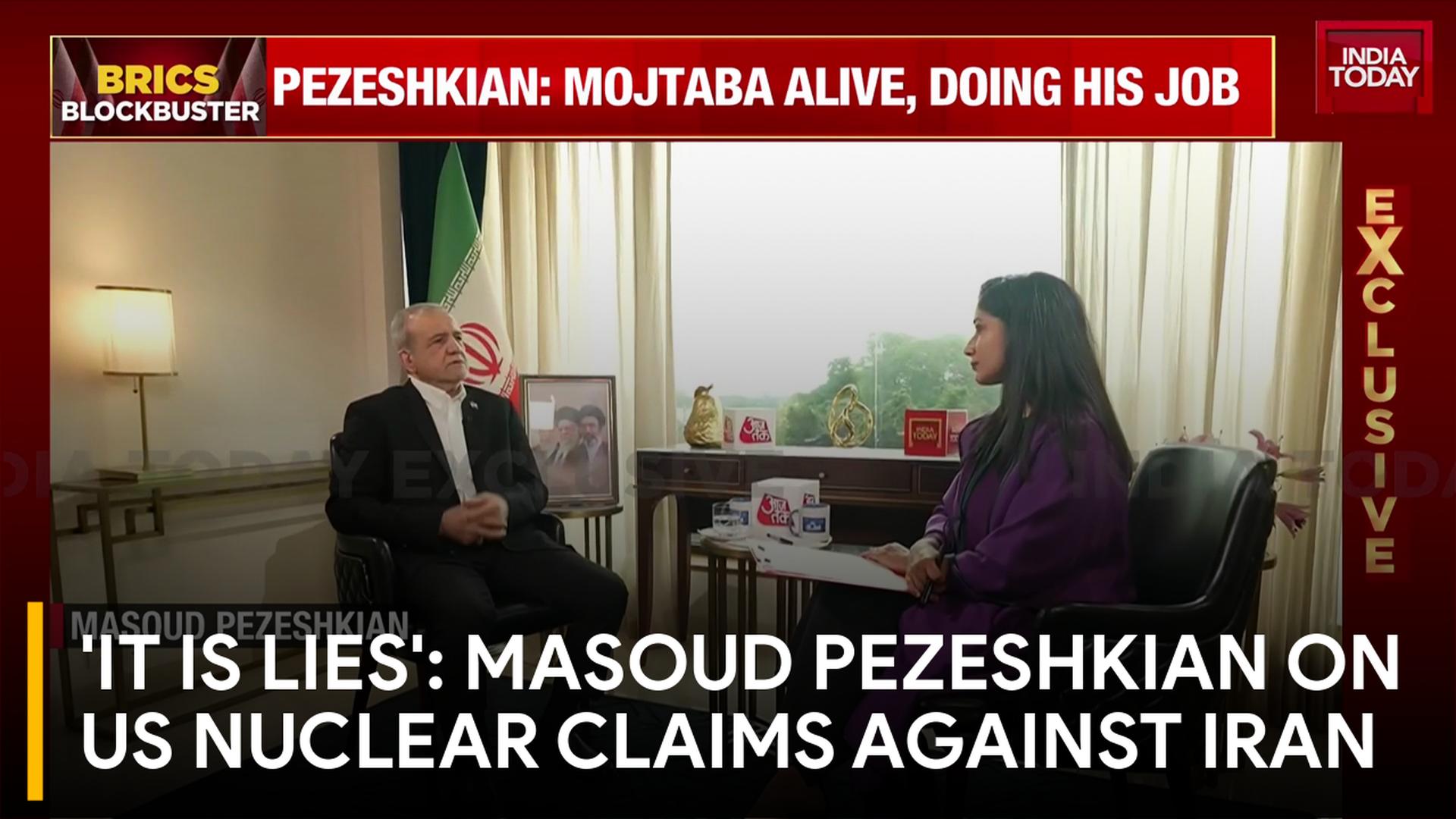
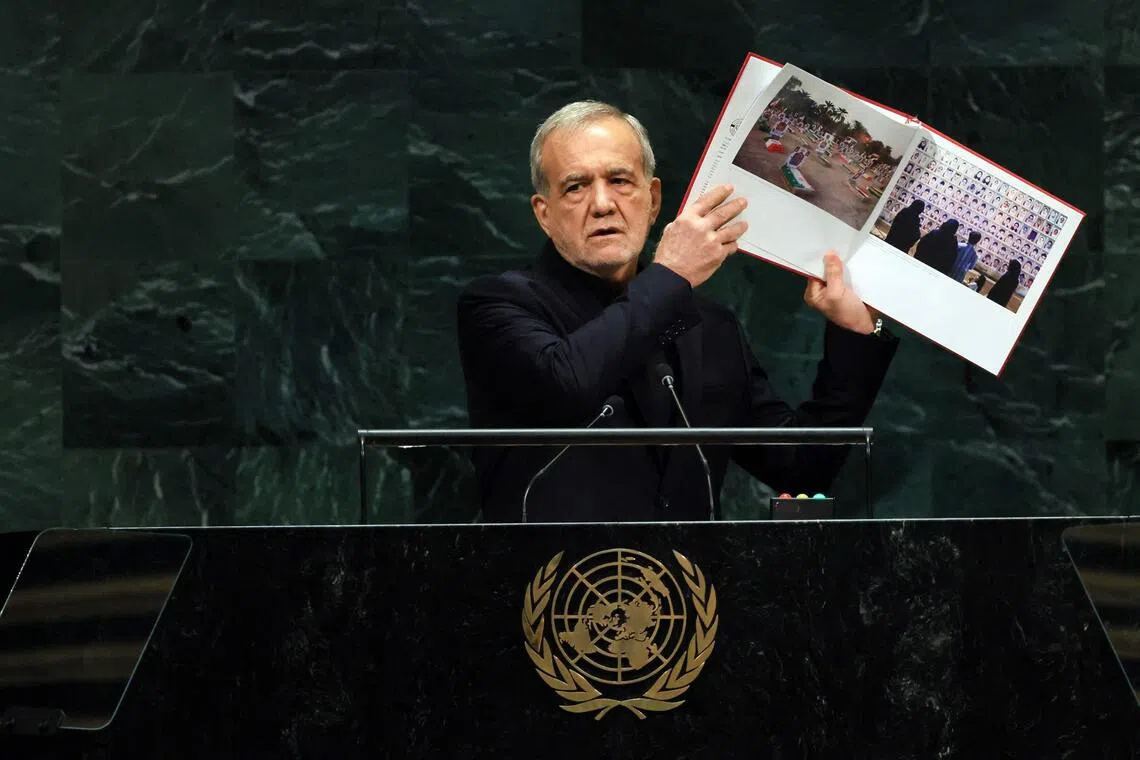
- Pezeshkian called to end the war with the US "now as we are in a position of power and dignity," arguing the world acknowledges Iran's victory and that the US has violated regulations by attacking schools, hospitals and infrastructure
- Pezeshkian defended the June memorandum of understanding with Washington against hardline parliamentary critics who accused him of giving concessions, insisting "they cannot find even a single clause in this agreement that indicates capitulation"
- Oman and Iran's foreign ministers held a phone call Friday to discuss "suitable conditions for resuming dialogue" and developments affecting navigation in the Strait of Hormuz, according to Oman's state news agency
- Major-General Ali Abdollahi, chief of staff of Iran's armed forces, warned that Iran is ready across land, sea, air, air defense and cyberspace to respond to "new threats with crushing, punishing and devastating responses"
- Trump expressed skepticism over Tehran's willingness to negotiate, claiming the US has "total control" of the Strait of Hormuz region and warning of economic consequences against any country providing a "lifeline" to Iran
- Treasury Secretary Scott Bessent will hold a Monday news conference to outline planned sanctions against Iran, marking a shift toward economic rather than military pressure as the war nears the six-month mark, and warned Washington would "collapse" the Iranian government
- Iran's Foreign Ministry condemned the US sanctions plan as "economic terrorism," while China's Foreign Ministry spokesman Lin Jian stated "sanctions and pressure will not help resolve the issue" and urged political and diplomatic resolution
Why it matters: The shift toward economic warfare matters because Bessent's Monday sanctions announcement and Trump's warning against any "lifeline" to Iran mark a deliberate pivot from military strikes to strangulation — while US media reveal Washington is simultaneously running secret naval convoys protecting 5–10 million barrels of oil per day through the same strait. For Pezeshkian, publicly defending the June MOU against hardline parliamentary critics exposes his domestic political vulnerability if talks collapse.
Ask SkimNews