Iran Sets Six Conditions to Reopen Strait of Hormuz — SkimNews

Get the Geopolitics newsletter
Daily geopolitics — wars, elections, sanctions, the diplomatic moves that move markets. Free.
- President Masoud Pezeshkian called for an end to Iran's 'neither war nor peace' status with the US, saying Iran is 'considered victorious and powerful' and that a channel should have been set up earlier to address ceasefire violations rather than 'fight.'
- Iran's Supreme National Security Council announced six new conditions for reopening the Strait of Hormuz: ending US threats, permanently halting attacks on Iran's allies in Lebanon, Palestine, Yemen, and Iraq, lifting the US naval blockade, paying compensation for two 'imposed wars,' lifting global sanctions, and releasing frozen Iranian assets.
- Iran and Oman reportedly made significant progress on an arrangement under which Iran would oversee vessels entering the Gulf while Oman manages outbound traffic; Foreign Minister Abbas Araghchi said talks are 'approaching the final stages' after the two sides agreed new shipping coordinates on Thursday.
- The US opposes giving Iran unilateral control over the strait and has objected to proposed fees tied to the Iran-Oman arrangement, while Tehran insists reopening Hormuz without meaningful economic relief would mean surrendering its strongest bargaining chip.
- The IRGC said reopening Hormuz depends entirely on Washington accepting Iran's conditions, and the UK Maritime Trade Operations agency reported a ship was struck by a projectile off Oman on Saturday, causing a fire but no casualties.
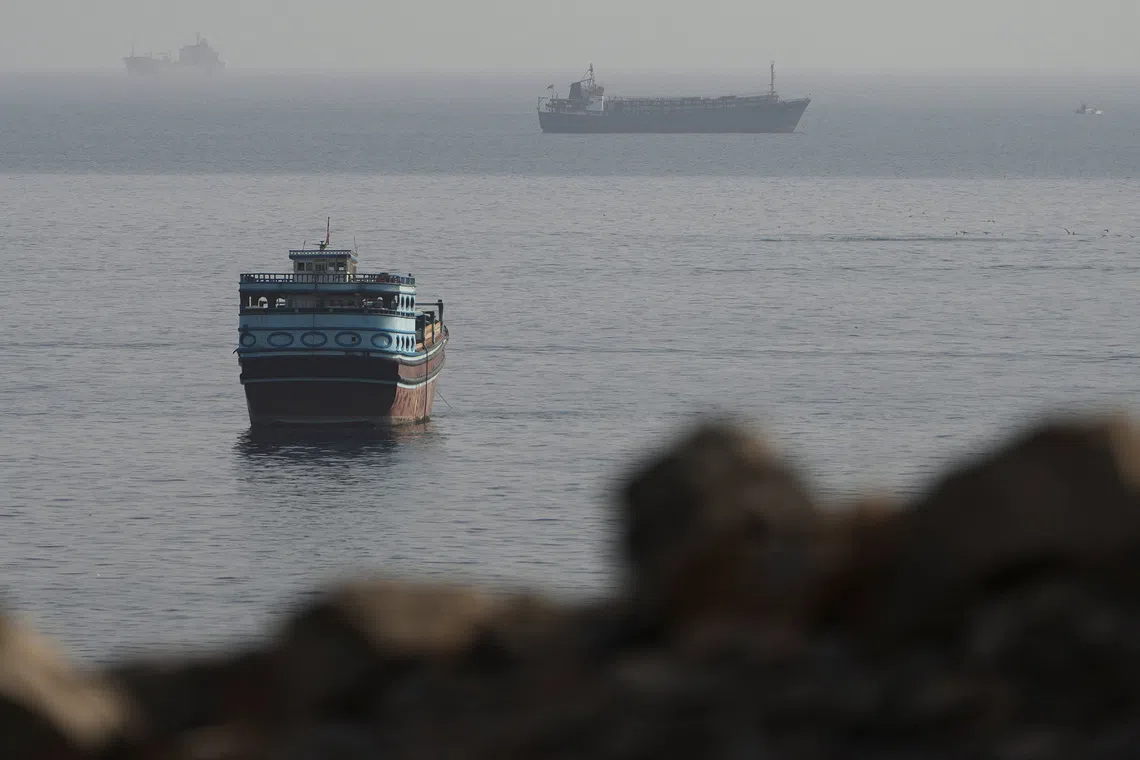
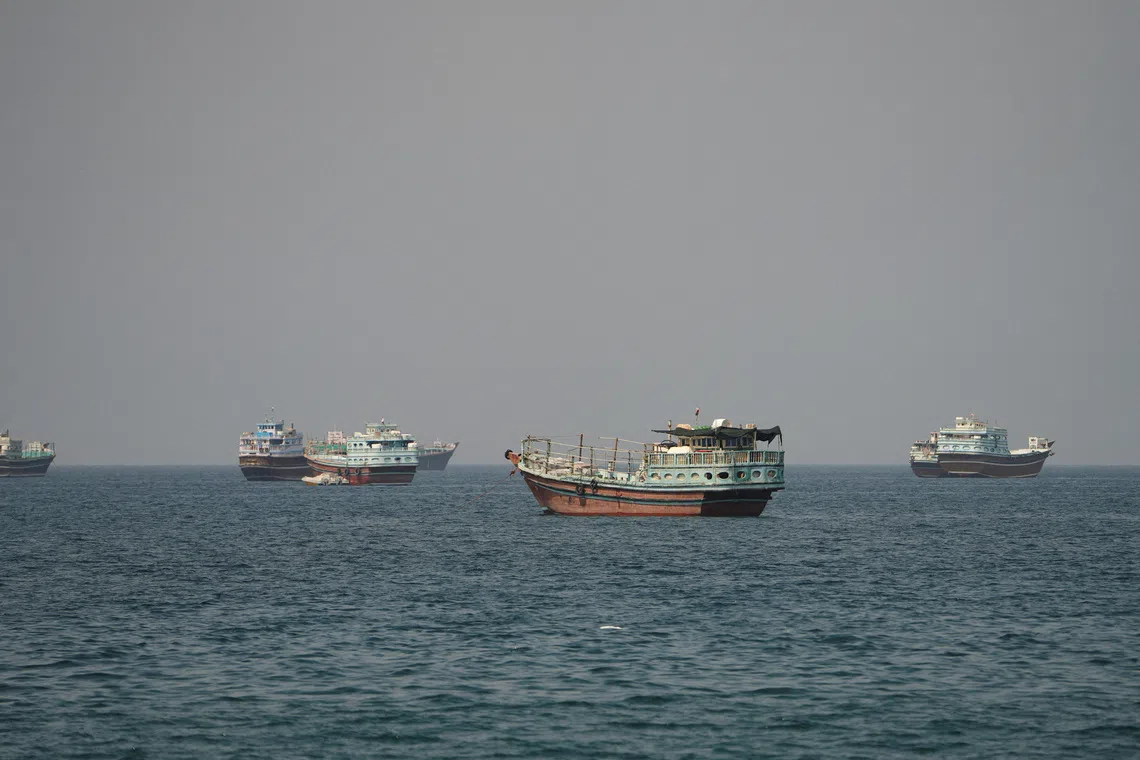
- Tehran has de facto blockaded the strait since the US-Israel war on Iran began on February 28, a conflict that has killed more than 3,400 people; the waterway previously carried about one-fifth of global oil shipments in peacetime.
Why it matters: Tehran is demanding war reparations, full sanctions relief, and an end to attacks on allies across four countries before reopening a strait carrying roughly a fifth of global oil—conditions far broader than the June MoU and ones the US has already signaled it rejects, which means the 'imminent deal' narrative risks overselling how close the two sides actually are.
Ask SkimNews