Pezeshkian Heads to UNGA With Seven Hormuz Conditions — SkimNews

Get the Geopolitics newsletter
Daily geopolitics — wars, elections, sanctions, the diplomatic moves that move markets. Free.
- Masoud Pezeshkian departed Tehran Tuesday with Foreign Minister Abbas Araghchi, scheduled to address the 193-member assembly on Wednesday and return Saturday after a five-day stay, with the US denying visas to his accompanying media team and imposing tight movement restrictions.
- Pezeshkian told reporters the delegation will raise 'the plight of the Iranian nation, the crimes that have been committed against it, and the distrust' created by the US and Israel's war on Iran that began February 28.
- Araghchi will raise the US bombing of the Minab school and the assassination of Supreme Leader Ayatollah Ali Khamenei on the war's opening day, slamming the UN for its 'ineffectiveness in establishing international peace and security.'
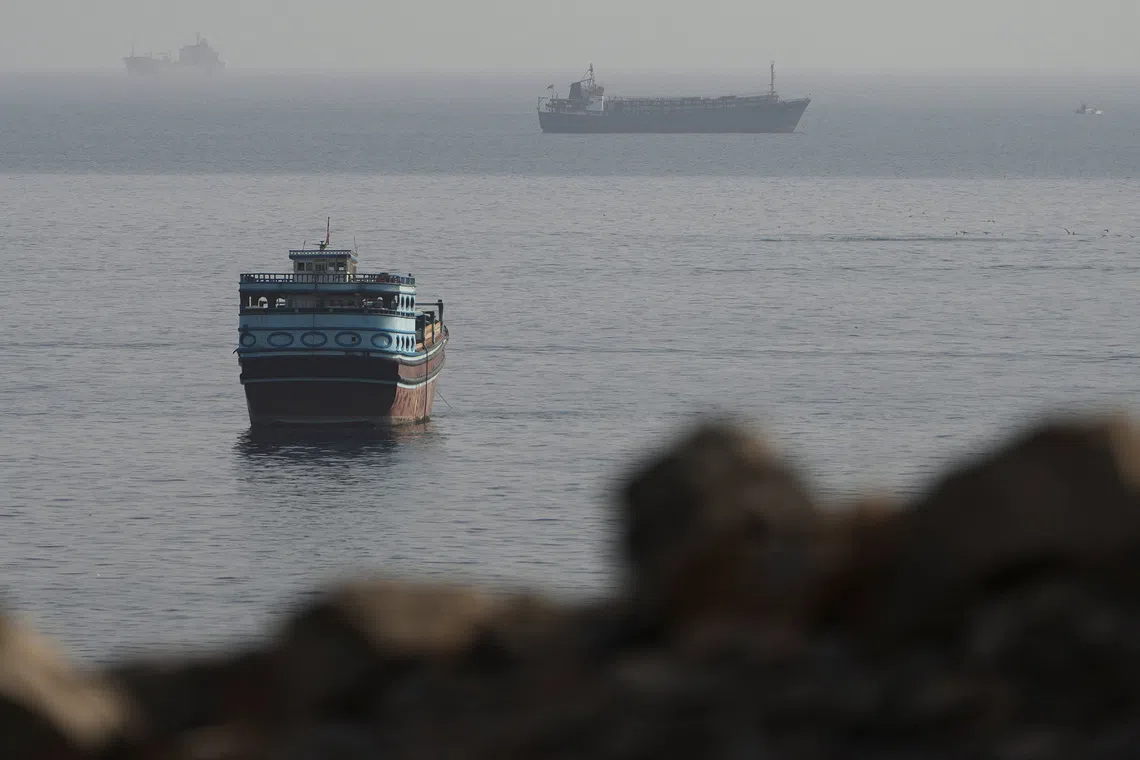
- Mohsen Rezaei, secretary of Iran's Supreme National Security Council, told Al Jazeera that Tehran has communicated seven conditions to the US to reopen the Strait of Hormuz, including an end to war on all fronts, release of frozen assets, lifting of the port blockade, end to military attacks, and non-interference in Iran's internal affairs.
- Trump is considering a new major military assault on Iran but wants to consult Arab leaders first; he said Sunday he would 'probably be open' to meeting Pezeshkian in New York, which Iran's IRNA dismissed as a 'new propaganda game.'
- IRGC spokesman Hossein Mohebbi said Iran is prepared to use new weapons systems against the US, while parliament speaker Mohammad Bagher Ghalibaf warned that hardline factions have 'no end date' for the war of attrition — reflecting an internal split the UNGA diplomacy must paper over.
Why it matters: Iran's seven-point Hormuz reopening demand — including frozen-asset release and an end to US military strikes — sets a concrete negotiating benchmark for any Trump-Pezeshkian New York meeting, while the US denial of visas for Pezeshkian's media team and luxury-goods purchase ban for delegates materially constrains how effectively Tehran can broadcast its war narrative to a 130-country audience.
Ask SkimNews