Iran: Hormuz Won't Reopen Until US Meets Key Demands — SkimNews
Get the Geopolitics newsletter
Daily geopolitics — wars, elections, sanctions, the diplomatic moves that move markets. Free.
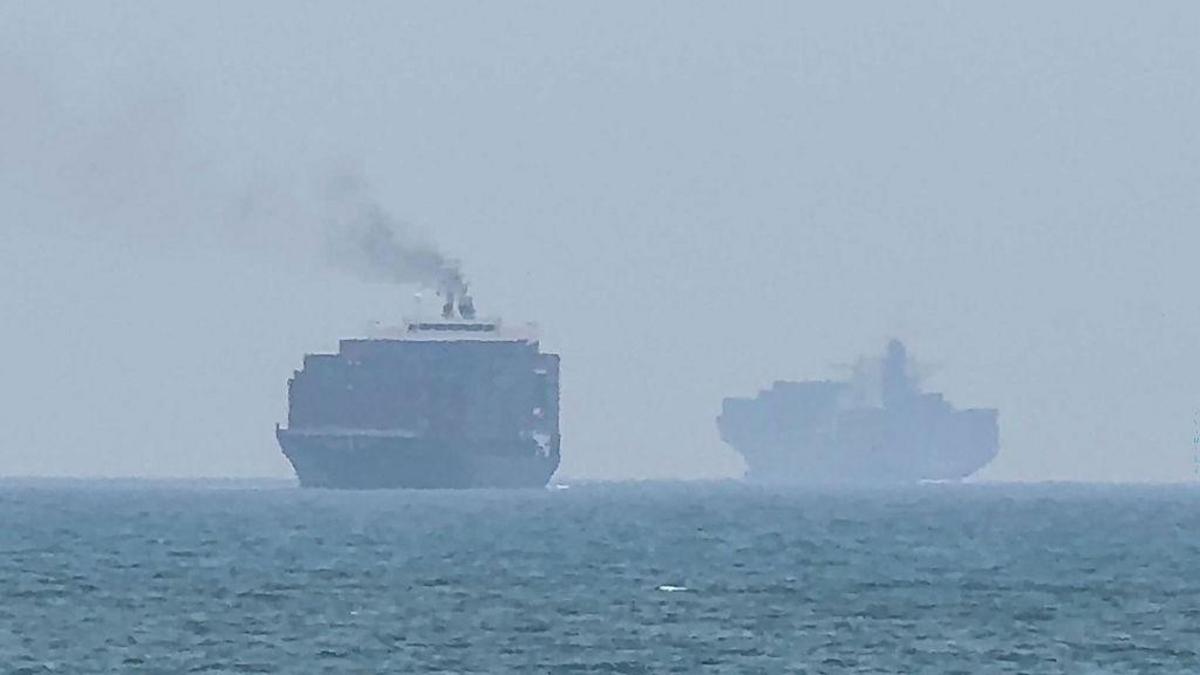
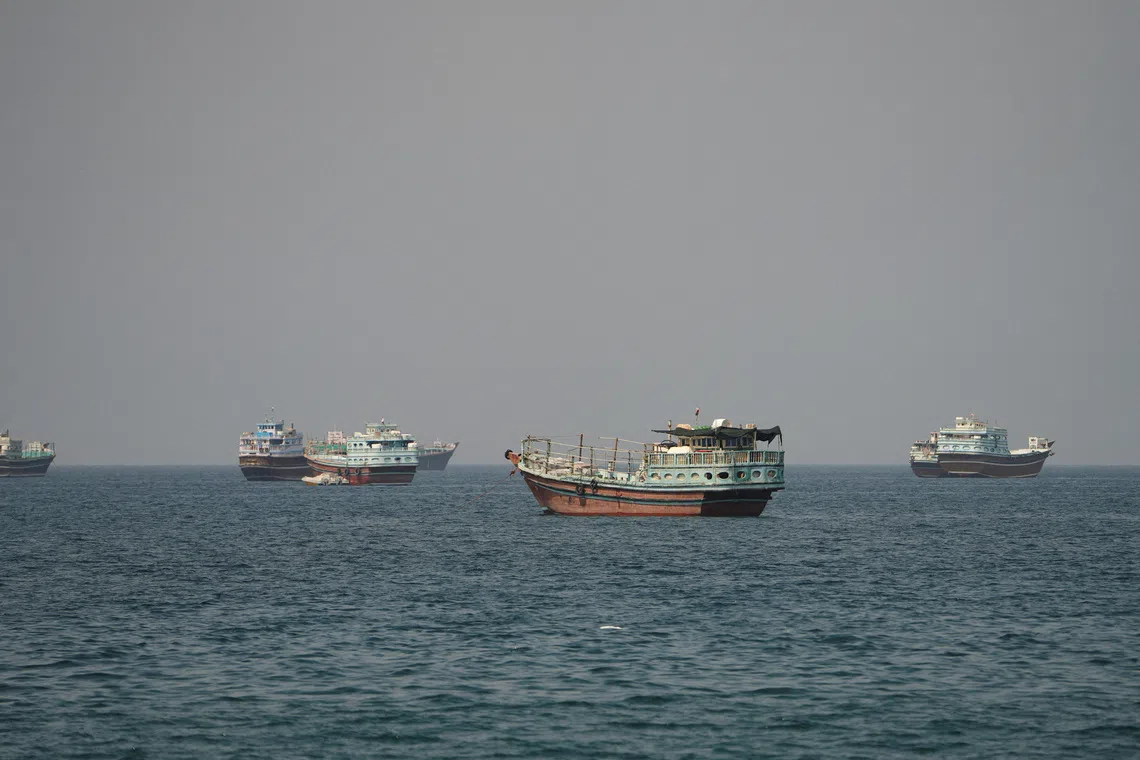
- Iran said it was nearing a final pact with Oman on new shipping lanes through the Strait of Hormuz, but Foreign Minister Abbas Araqchi said Tehran would not reopen the channel until the U.S. meets several conditions first.
- Iran's conditions, listed by the secretary of Iran's top national security body Mohammad Baqer Zolqadr, include U.S. compensation for damage from strikes that began in late February, an end to U.S. threats against Iran and its Lebanese, Palestinian, Yemeni and Iraqi allies, removal of the U.S. naval blockade in the Gulf, lifting of sanctions, and release of frozen Iranian assets.
- Iran and the U.S. are not in direct talks, with Araqchi saying Tehran won't start them while Washington breaches an interim deal signed in June; messages are exchanged through intermediaries.
- Trump told Axios the U.S. was "low-keying" the Iran talks: "We are only semi-negotiating with them. We are just watching Iran with its huge inflation and the fact they have no money."
- A U.S. official told Reuters that once a deal to restore commercial shipping is announced, the U.S. will lift its blockade of Iranian ports, with U.S. actions tied to Iran's implementation of commitments.
- Sources told Reuters the deal structure appeared set to give Tehran control over vessel traffic entering the Gulf — an arrangement shippers said was "not easily workable."
- Iran's Revolutionary Guard has previously attacked ships it said tried to cross the strait without Iranian permission, and the UAE said Iran attacked a ship affiliated with its state oil company on Saturday.
Why it matters: The structural concession buried in the sequencing: sources told Reuters the deal would give Tehran effective control over vessel traffic through one of the world's most critical oil chokepoints — an arrangement shippers already flagged as "not easily workable." For Iran, the demands bundle reparations, sanctions relief, and security guarantees into a single package tied to reopening; for the U.S., the "delicate sequencing" means lifting the July blockade before Iran fully implements its commitments.
Ask SkimNews