Engineers Race to Make Geothermal Work Anywhere — SkimNews

Get the Energy newsletter
Daily energy & climate — solar, EVs, oil, the policy fights and tech bets shaping the transition. Free.
- Conventional geothermal requires heat, water, and permeable rock within roughly 2 kilometres of the surface, restricting it to places like Iceland, where it now supplies over a quarter of the country's electricity and acts as a steady 'glue' for the low-carbon grid.
- The International Energy Agency estimates that tapping heat down to about 8 kilometres could deliver roughly 150 times current global electricity demand, but conventional wells cannot reach that depth, driving a wave of new drilling-focused technologies.
- Enhanced geothermal systems (EGS) pump high-pressure water into hot, impermeable rock 2 to 10 kilometres down to create fractures, but a South Korean government investigation concluded one such project triggered the magnitude-5.5 Pohang earthquake in 2017 — the country's most destructive — injuring more than 80 people and causing an estimated £148 million in damage.
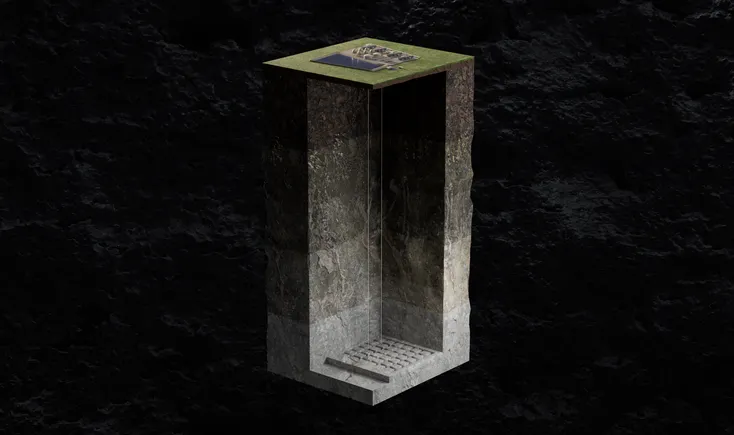
- Eavor built the first commercial closed-loop advanced geothermal plant at Geretsried, Germany — construction began in 2022 and the facility started producing electricity in 2024 — but the company has had to scale back wells after rock debris clogged parts of the pipe network.
- China Huaneng Group opened the first geothermal demonstration plant using supercritical CO2 in Zhengzhou, a working fluid that is compressed and heated until it behaves as neither gas nor liquid and carries far more heat than ordinary water or steam.
- Engineers in Iceland are experimenting with gentler EGS approaches — pumping cold water slowly at low pressure so rock contracts and cracks over months — and have repurposed geothermal wells themselves as early-warning sensors for moving magma.
Why it matters: If even one of these approaches proves commercially viable at scale, geothermal would shift from a niche power source concentrated in a handful of geologically lucky countries into a baseload resource available almost anywhere, undercutting the intermittency that still dogs solar and wind. The Pohang disaster shows the technology is not without serious safety risks: induced seismicity could become a regulatory flashpoint as projects multiply.
Ask SkimNews