Renewables can meet one-third of US industrial heat demand — SkimNews
Get the Energy newsletter
Daily energy & climate — solar, EVs, oil, the policy fights and tech bets shaping the transition. Free.
- UC Berkeley researchers published a paper finding that off-grid renewable-powered systems could economically supply up to one-third of US industrial heat demand by 2035.
- The analysis evaluated delivered heat costs across low, medium, and high temperature ranges using site-specific data from more than 3,000 industrial sites nationwide.
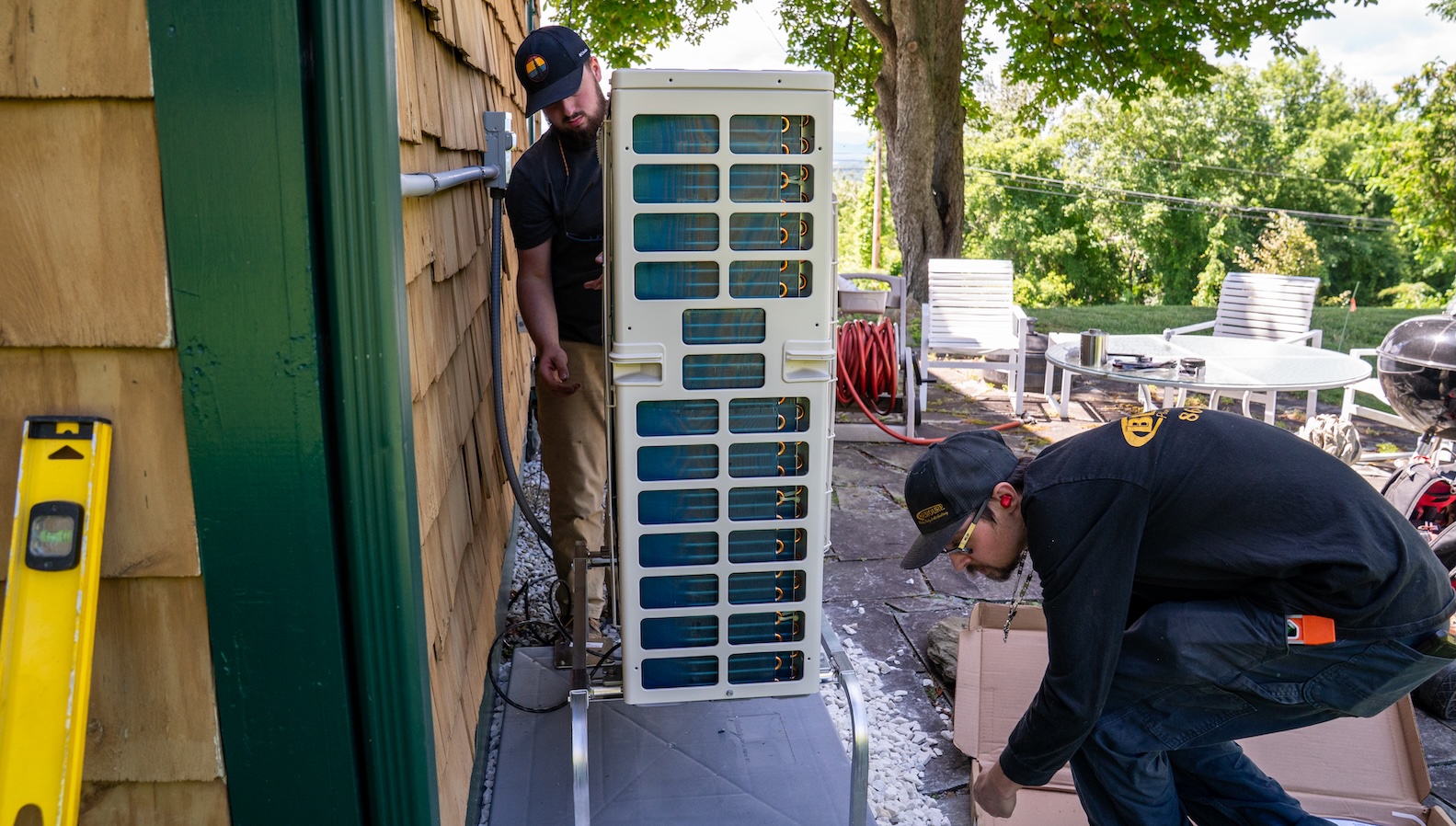
- Heat pumps were identified as the most cost-effective clean solution for low-temperature industrial processes under 200°C, while thermal batteries offered competitive or lower costs for high-temperature processes.
- About 27% of total heat demand is concentrated in facilities lacking sufficient local renewable potential, particularly in urban areas — a key adoption barrier.
- Jose Dominguez, a UC Berkeley research manager and report co-author, told Utility Dive the technologies give manufacturers cost control and predictability amid volatile natural gas prices.
- On-site wind and solar paired with industrial heat pumps and thermal energy storage showed strongest economic viability in regions with high natural gas prices and low-cost renewables, such as California and parts of the northeast.
- The report flagged reliability concerns, investment and timeline considerations, and space limitations as challenges to widespread adoption, and noted the paper has not been peer reviewed.
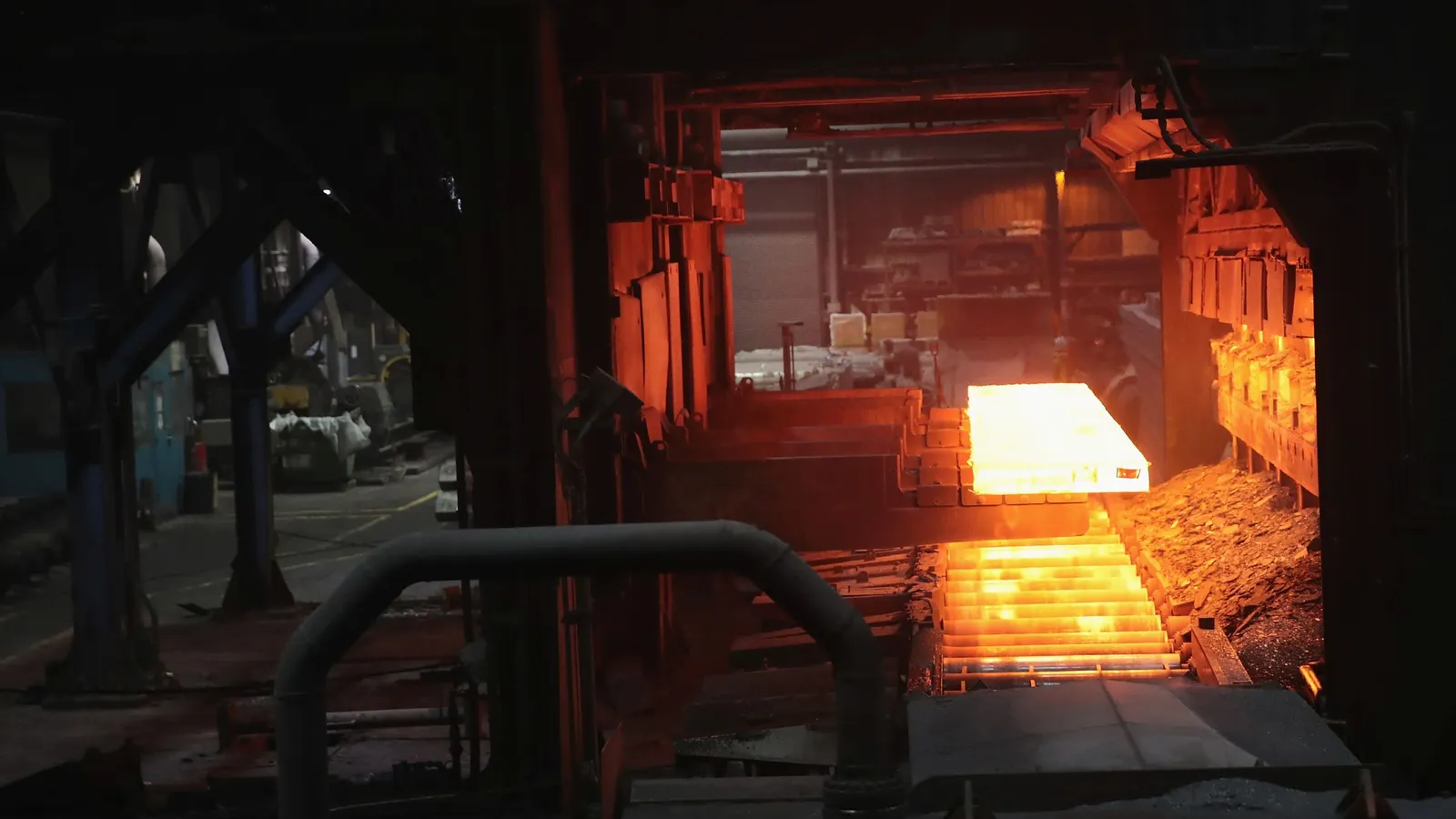
Why it matters: The industrial sector accounts for a large share of US greenhouse gas emissions and was flagged by the Biden administration as particularly difficult to transition from fossil fuels. With Berkeley finding that electric heating is already at cost parity with fossil fuels in many cases — and that one-third of heat demand is economically addressable by on-site renewables — the report reframes industrial decarbonization from a distant cost problem into a near-term procurement opportunity for manufacturers exposed to natural gas price swings.
Ask SkimNews