Washington State Lets Rivian, Lucid Sell Direct — SkimNews

Get the Energy newsletter
Daily energy & climate — solar, EVs, oil, the policy fights and tech bets shaping the transition. Free.
- CleanTechnica casts Tesla, Rivian, and Lucid as a Reformation-style movement dismantling the franchise dealership, arguing EVs expose the old model as a ritual built around ICE-era maintenance, opacity, and haggling.
- Tesla pioneered direct sales with fixed online pricing, no haggling, and no finance-manager upsells, establishing the template the article credits with 'nailing theses to the dealership door.'
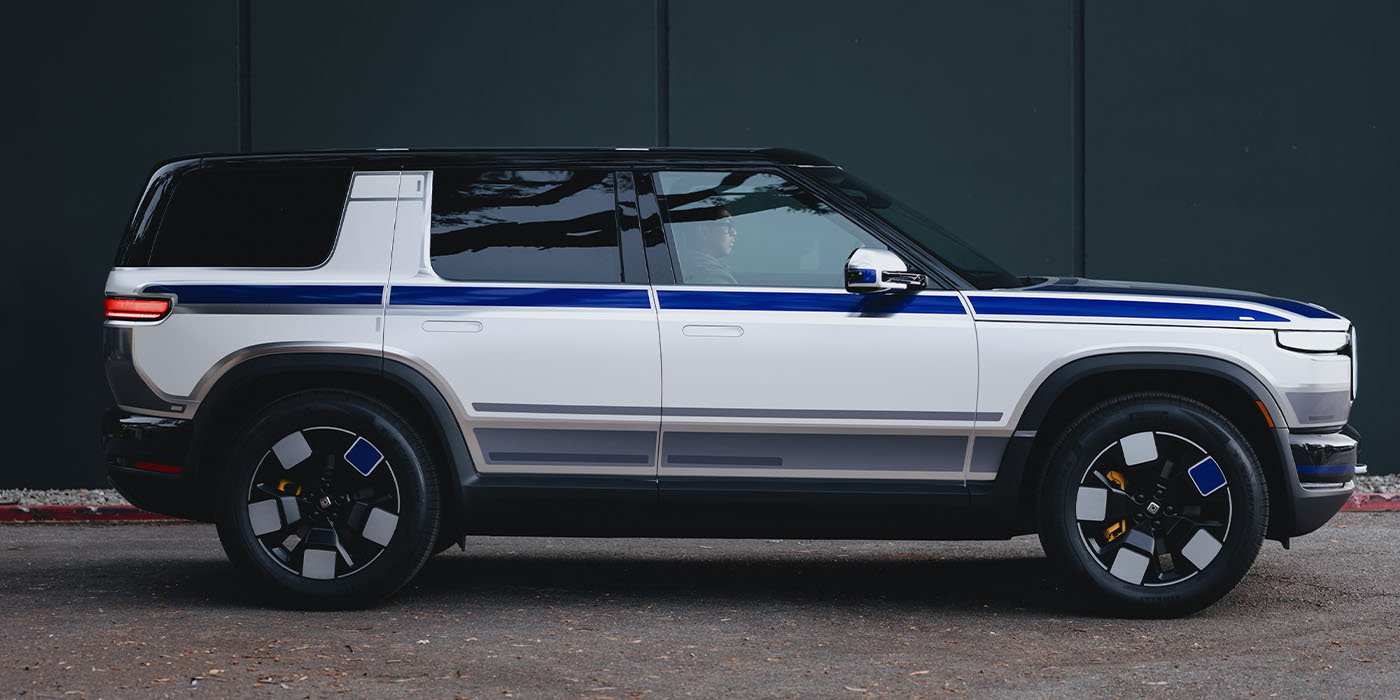
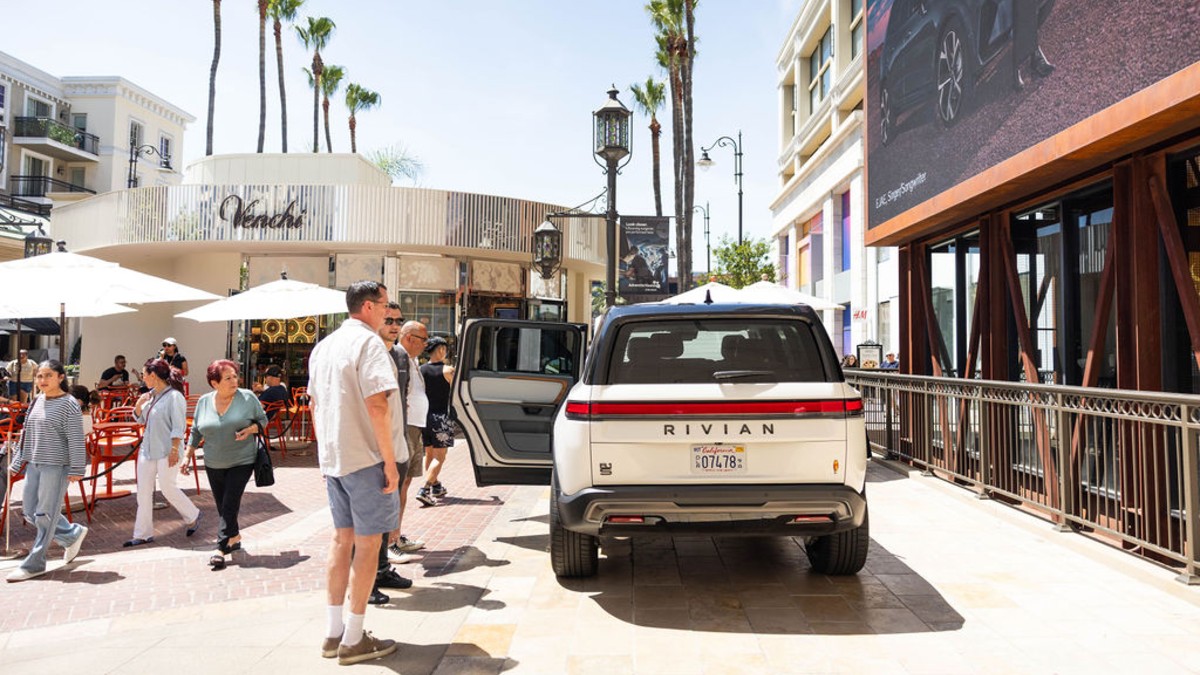
- Rivian adopted direct sales with a 'pastoral,' outdoor-lifestyle brand pitch, while Lucid rejected franchise dealers in favor of a luxury, 'cathedral' buying experience — both described as Protestant variants of Tesla's original reform.
- Washington State recently decided to allow Rivian and Lucid direct sales alongside Tesla, which had long held a special dispensation — a step the piece calls the 'Edict of Toleration' stage rather than full secularization of the franchise model.
- Traditional dealerships derive disproportionately important profits from service and parts, the very revenue pool EVs shrink because electric cars need less routine maintenance, fueling institutional resistance to the shift.
- The piece argues direct-sales EV makers are not abolishing intermediation but replacing the dealer with the app, configurator, and centralized software, creating a new hierarchy of 'priesthood of all browsers.'
Why it matters: For Rivian and Lucid, the Washington State ruling is concrete legal standing to sell direct alongside Tesla, while traditional franchise dealers — whose profits lean heavily on service and parts — lose exclusive access to EV customers in a state with a significant market. The article's broader claim, grounded in its own concession, is that this is tolerance, not abolition: the franchise order remains powerful, but the doctrinal monopoly on the car-buying ritual has been broken.
Ask SkimNews