Penn aroLNPs Cut mRNA Liver Delivery 10-Fold — SkimNews

Get the Health newsletter
Daily health & science — research, biotech, public health, the studies worth knowing. Free.
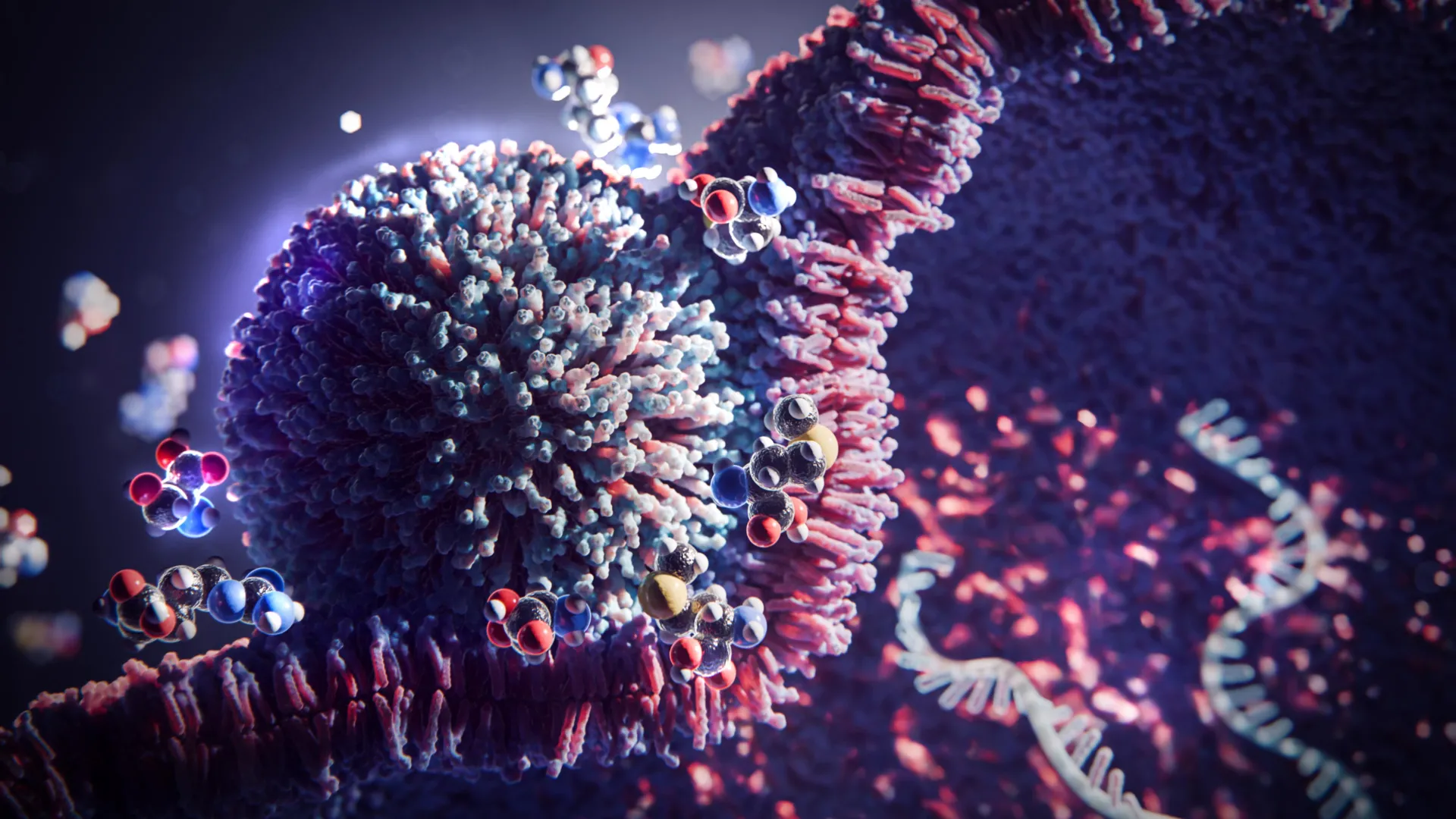
- Penn Engineers developed "aroLNPs" by adding aromatic rings and bioreducible disulfide bonds to the ionizable lipid in lipid nanoparticles, a modification the team says has never been combined in this way before in LNPs.
- In animal models, the best-performing aroLNPs delivered at least 10-fold less mRNA to the liver than the LNP formulation used in the Moderna COVID-19 vaccine, while accumulating in lymph nodes at comparable levels—boosting the lymph-node-to-liver ratio 5- to 10-fold.
- aroLNPs generated antibody responses comparable to clinically approved ionizable lipid formulations in a vaccine model, showing the precision gains did not blunt immune training.
- The redesigned particles caused only minimal increases in systemic proinflammatory cytokines—the proteins behind vaccine side effects like fatigue and fever—suggesting better tolerability than current formulations.
- Senior author Michael J. Mitchell, Associate Professor of Bioengineering, said the more precise delivery could enable strong immune protection at lower mRNA doses, since fewer particles would be wasted on off-target organs.
- First author Hannah Yamagata and co-author Marshall Padilla tested a library of benzene-ring variants, each with subtle shifts in where chemical groups were positioned, to map how small structural changes affect nanoparticle behavior.
- Beyond COVID-19 vaccines, the team said aroLNPs could benefit cancer vaccines that need to amplify immune responses and autoimmune-disease therapies that need to carefully dampen them, with results published in the Journal of the American Chemical Society (2026).
- University of Pennsylvania researchers framed the advance as a step toward "precision" mRNA delivery—controlling not just how much cargo arrives but where in the body it lands.
Why it matters: Liver-detargeted LNPs address one of the biggest efficiency drags on mRNA vaccines: most injected nanoparticles miss lymph nodes and accumulate in the liver, forcing higher doses and increasing side-effect risk. If the 10-fold liver reduction and comparable antibody response translate to humans, mRNA vaccine doses could drop substantially while reducing fatigue and fever—directly benefiting patients and lowering cost per shot for manufacturers developing the next wave of cancer and autoimmune mRNA therapies.
Ask SkimNews