Russia, China Veto UN Resolution on Strait of Hormuz — SkimNews
Get the Geopolitics newsletter
Daily geopolitics — wars, elections, sanctions, the diplomatic moves that move markets. Free.
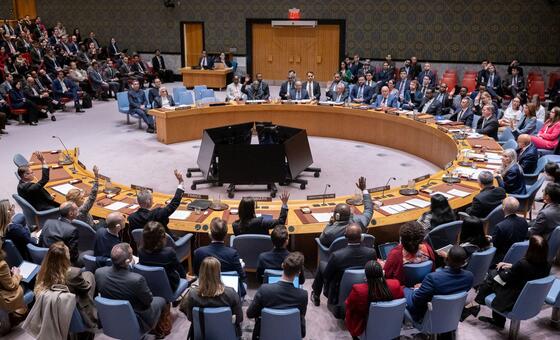
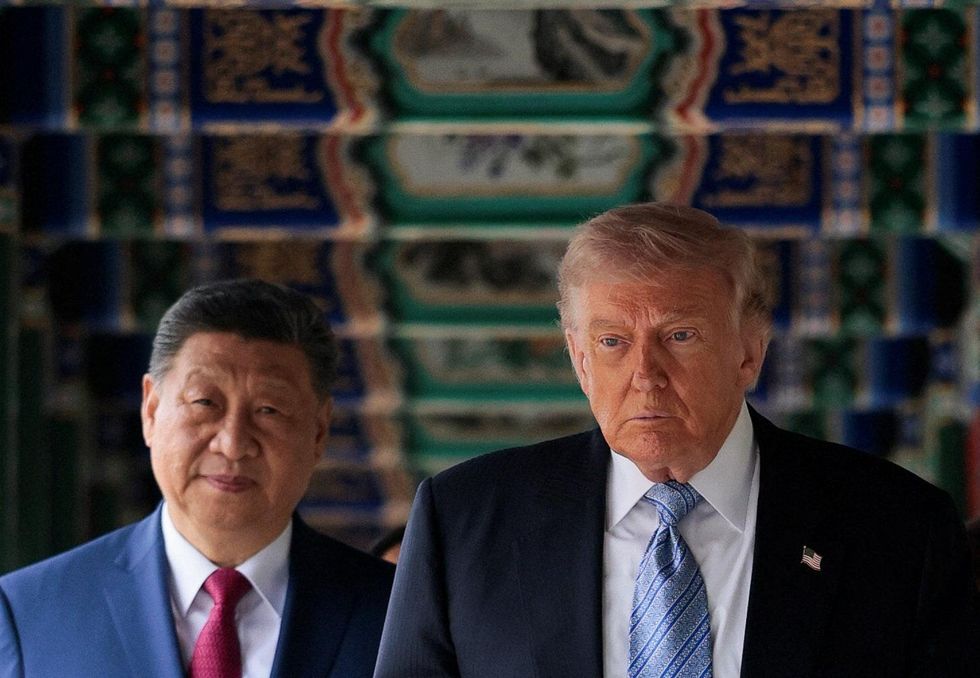
- Russia and China vetoed the resolution in an 11-2 vote, with Pakistan and Colombia abstaining, citing Trump's "whole civilization will die tonight" threat as proof the text would have given the U.S. and Israel "carte blanche for continued aggression," in the words of Russian envoy Vassily Nebenzia.
- Trump withdrew his threat to attack Iran less than two hours before his own deadline, suspending the strike for two weeks in exchange for a ceasefire and Strait reopening; Iran accepted, saying passage during that period would run "under Iranian military management."
- Trump said Iran has proposed a "workable" 10-point plan to end the war, which is now in its sixth week since U.S. and Israeli strikes began on Feb. 28.
- Russia and China immediately circulated a rival resolution, seen by the AP, calling on all parties to halt military activities and condemning attacks on civilians and civilian infrastructure; Nebenzia told reporters the text was already in a form that could be put to a vote.
- The resolution was progressively gutted before Tuesday's vote: the original Gulf draft would have authorized "all necessary means" (including military force); it was revised to "all defensive means," then stripped of any Security Council authorization reference and narrowed from adjacent waters to the Strait alone.
- Bahrain, the resolution's author and the Security Council's Arab president this month, assailed the council for letting the international community be "held hostage to economic blackmail" from Iran, with Foreign Minister Abdullatif bin Rashid Al Zayani saying Gulf countries will now intensify their own diplomatic efforts.
- Iran's UN ambassador Amir-Saeid Iravani defended the Strait blockade as Iran's "inherent right of self-defense" under the UN Charter and thanked Russia and China for blocking the resolution.
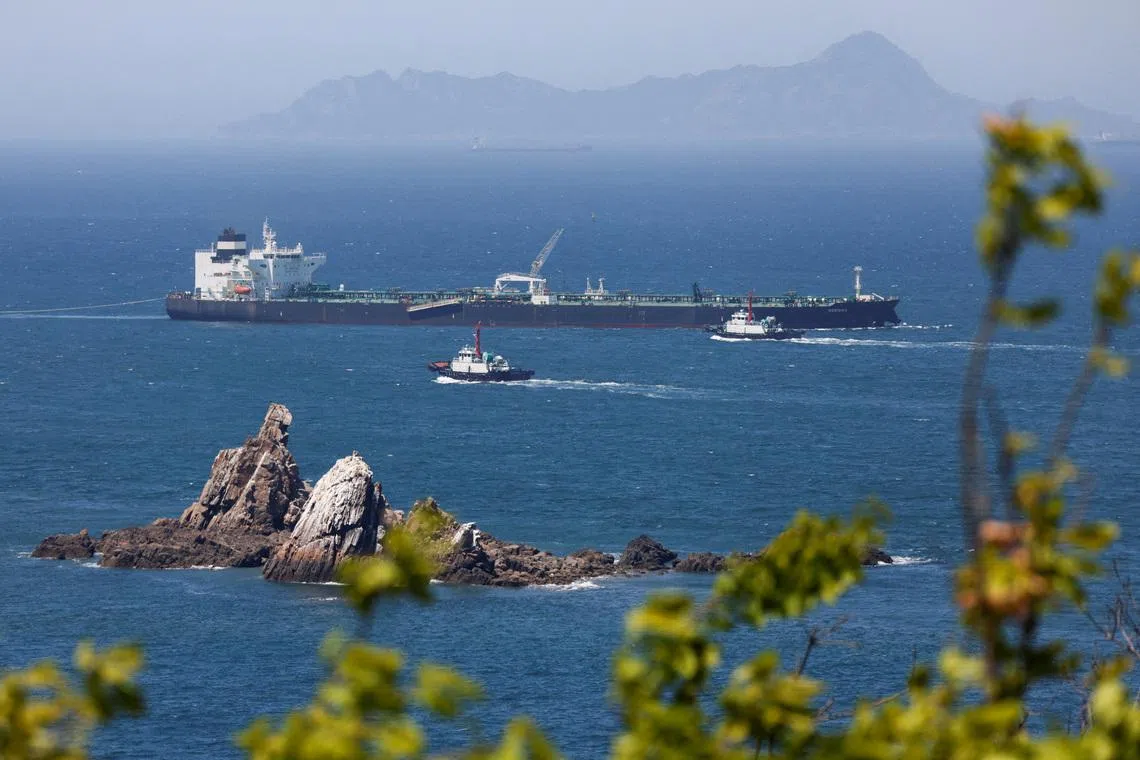
Why it matters: The Security Council's paralysis on the Strait of Hormuz — which carries one-fifth of global oil — leaves no multilateral mechanism to counter Iran's blockade, and Gulf states whose FM accused Iran of "economic blackmail" will now pursue diplomacy unilaterally. Russia and China's ready-to-vote rival resolution reframes the conflict as mutual aggression, handing Moscow and Beijing leverage over how the war is diplomatically defined.
Ask SkimNews