UN Demands Hormuz De-escalation Amid US-Iran Toll Standoff — SkimNews
Get the Geopolitics newsletter
Daily geopolitics — wars, elections, sanctions, the diplomatic moves that move markets. Free.
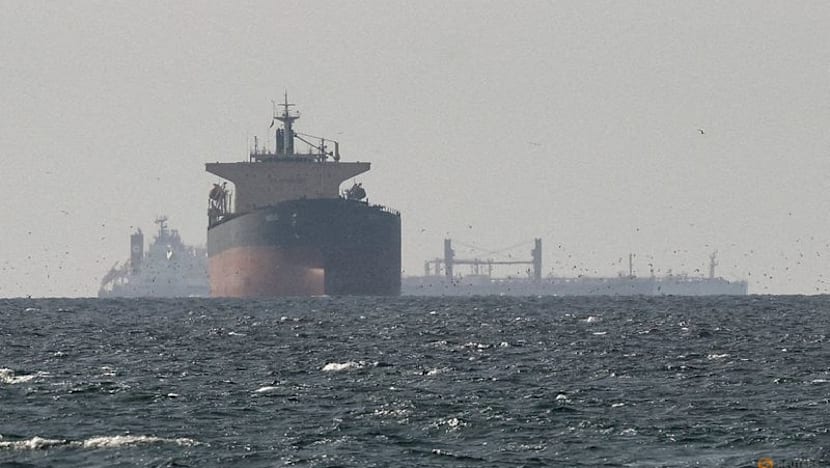
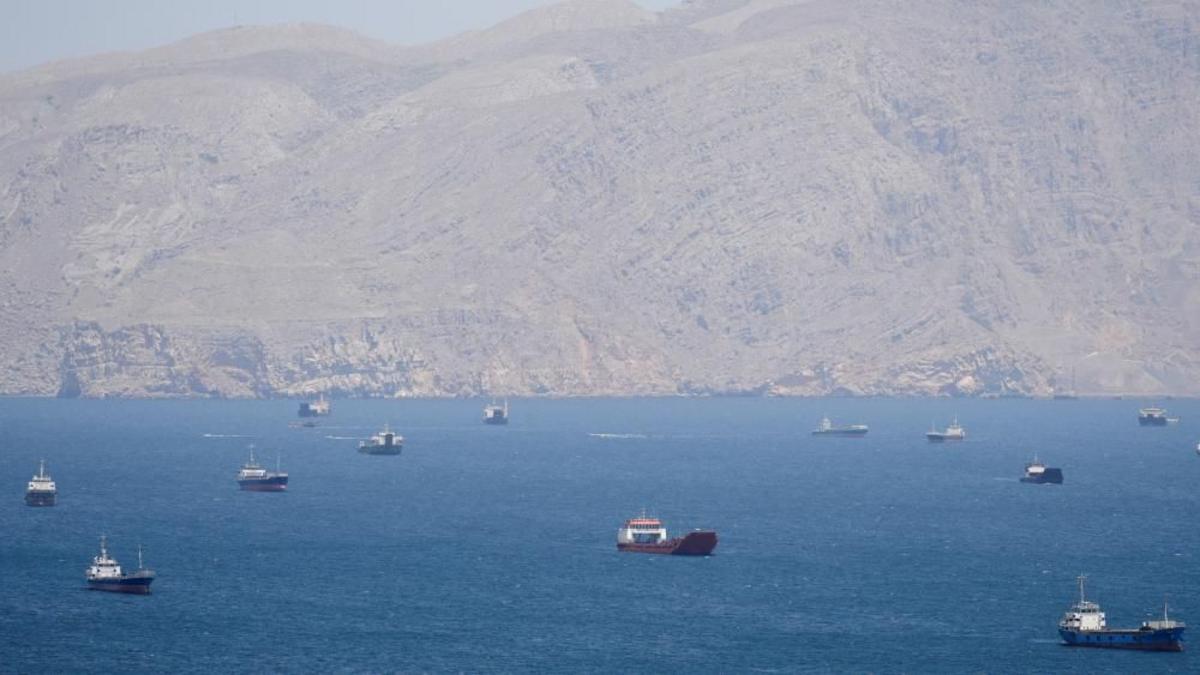
- IMO Council condemned attacks on civilian vessels in the Strait of Hormuz at the close of its 137th session and called for swift de-escalation, with the UN Secretary-General having made a similar appeal for US-Iran negotiations on Sunday.
- Trump announced the US would reinstate its blockade of Iranian ports and charge a 20% fee on all goods passing through the strait as its 'guardian,' insisting in a social media post that the waterway 'remain open.'
- Iran's foreign minister Abbas Araghchi countered with a post saying Trump was 'absolutely right' but that Iran would charge a lower rate: 'We will be fair.'
- The IMO Council separately reaffirmed that passage through the Strait must remain free of any tolls and charges under international law, including the 1948 IMO Convention — a position that conflicts with both the US and Iranian toll claims.
- The World Bank found global energy prices have risen 24% following the conflict's onset, with fertilizer prices projected in April to rise more than 30% in 2026, after the strait's near-continuous closure since February.
- UNCTAD warned the shock echoes the commodity price surge that followed Russia's 2022 invasion of Ukraine, with effects on Africa's GDP, food systems, and public finances persisting well beyond the initial price spike and risking long-term 'scarring.'
Why it matters: The US and Iran are both imposing tolls on a waterway that once carried roughly a fifth of global oil and gas exports — directly contradicting the IMO's reaffirmation that passage must remain toll-free under the 1948 convention — while World Bank data shows energy prices have already risen 24% since the conflict began and fertilizer costs are projected to climb 30%+ in 2026.
Ask SkimNews