Scripps fentanyl vaccine blocks overdose variants in — SkimNews

Get the Health newsletter
Daily health & science — research, biotech, public health, the studies worth knowing. Free.
- Scripps Research Institute developed an experimental vaccine that trains the immune system to recognize a broad range of fentanyl-related designer drugs, with results published in the Journal of Medicinal Chemistry.
- Kim Janda, the Ely R. Callaway Jr. Professor of Chemistry at Scripps, led the study using a molecule with a fundamentally different core structure than fentanyl — inverting the field's usual logic that immunity requires a close structural match.
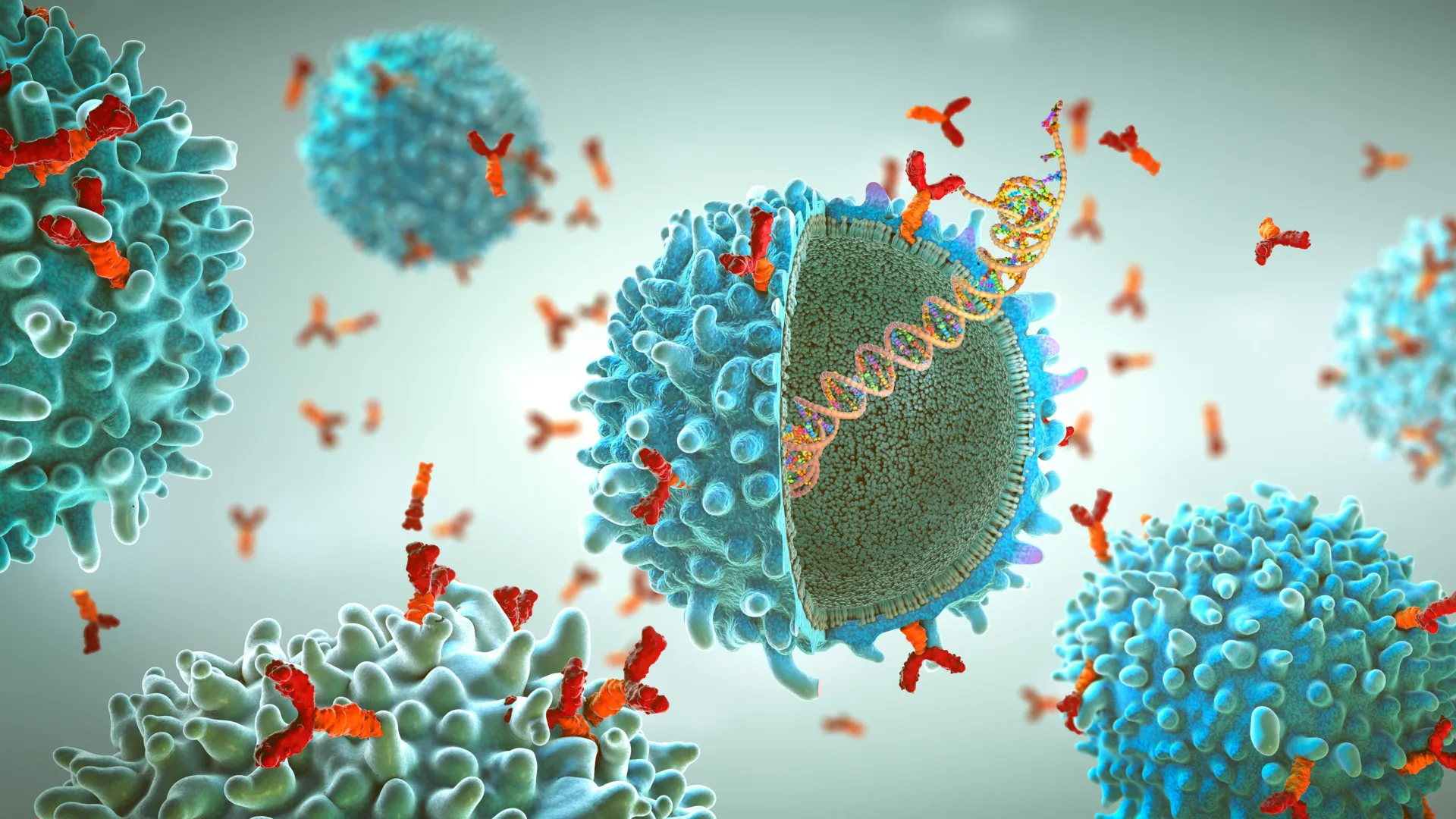
- The vaccine produced antibodies that recognized fentanyl plus dangerous variants including carfentanil, China White, acetylfentanyl, and furanylfentanyl, while not binding to medical opioids such as morphine, oxycodone, remifentanil, and alfentanil.
- Vaccinated mice maintained nearly normal breathing after fentanyl doses that would normally cause severe respiratory depression, and their brain fentanyl levels were approximately 70% lower than those of unvaccinated mice.
- The dosing regimen required four vaccine doses attached to a carrier protein, administered to mice over an eight-week period.
- Janda's lab had previously developed separate vaccine candidates targeting fentanyl and heroin, but the new approach is designed to outpace black-market manufacturers who constantly tweak molecules to skirt regulations and evade standard screenings.
- The vaccine has not yet entered clinical trials in humans; Janda envisions it as a potential tool for people in substance abuse recovery programs and others at high risk of fentanyl exposure.
Why it matters: Janda's team inverted conventional vaccine logic by using a molecule that does not resemble fentanyl, sidestepping regulatory hurdles tied to handling the actual drug. The result: vaccinated mice kept normal breathing through normally lethal doses, with brain fentanyl levels 70% lower than unvaccinated controls. Clinical trials in humans are the next test.
Ask SkimNews