Giant whales move into Greenland waters as ice disappears — SkimNews
SkimNews Take
Loss of sea ice is reshaping access to entire feeding grounds, turning physical habitat change into a broader redistribution of baleen whales along Greenland’s coast.
Get the Energy newsletter
Daily energy & climate — solar, EVs, oil, the policy fights and tech bets shaping the transition. Free.
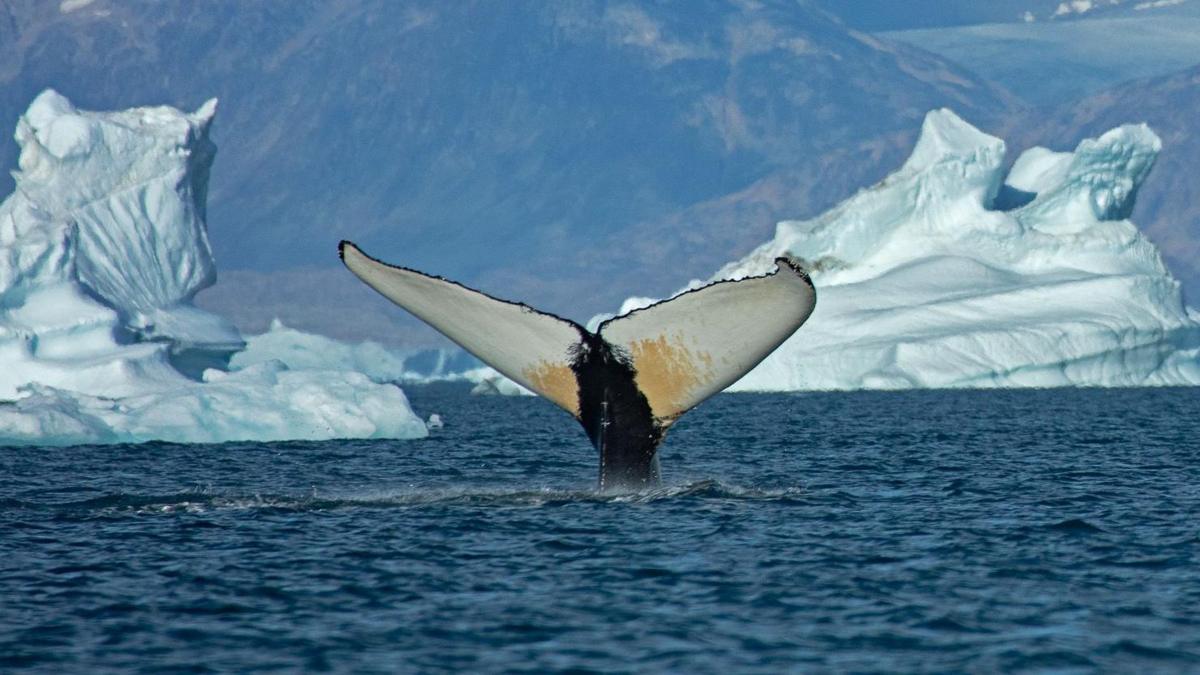
- Researchers documented a 'major ecological regime shift' off East Greenland, where sea ice loss has opened coastal waters to humpback, fin, and minke whales historically locked out by ice — no humpback sightings were recorded in ship-based surveys there until 2006.
- Population surge: From zero humpback sightings before 2006 to seven in 2007 to 150 ship-based sightings by 2024, with an estimated 4,000 humpback whales, 6,000 fin whales, and 6,000 minke whales visiting the Greenland Sea in summer 2024.
- The three whale species would consume at least 800,000 tonnes of fish and krill during a single summer feeding season, according to the study published in the journal Frontiers in Marine Science.
- Prof Mads Peter Heide-Jørgensen of the Greenland Institute of Natural Resources called the regional changes 'probably the most radical we can see anywhere in the subarctic,' combining ship and aerial surveys (2015 and 2024), satellite tracks from 15 tagged whales, and Inuit hunter testimony.
- Narwhals and belugas are the regime shift's losers — they are sharing habitat with or being displaced by the incoming baleen whales, the same warming that opens new feeding grounds for some species costs others their territory.
- Unresolved question: It is unclear whether the influx reflects an overall increase in whale populations or a redistribution from other areas, including West Greenland — a sensitive issue in a country where whales are hunted.
Why it matters: Climate-driven ice loss has turned East Greenland into a seasonal buffet for at least 16,000 baleen whales, but the same shift is squeezing out narwhals and belugas. With the three whale species projected to consume 800,000 tonnes of fish and krill per summer, Arctic fisheries and Greenland's whale-hunting communities face a fundamentally reshaped competitive and political landscape.
Ask SkimNews