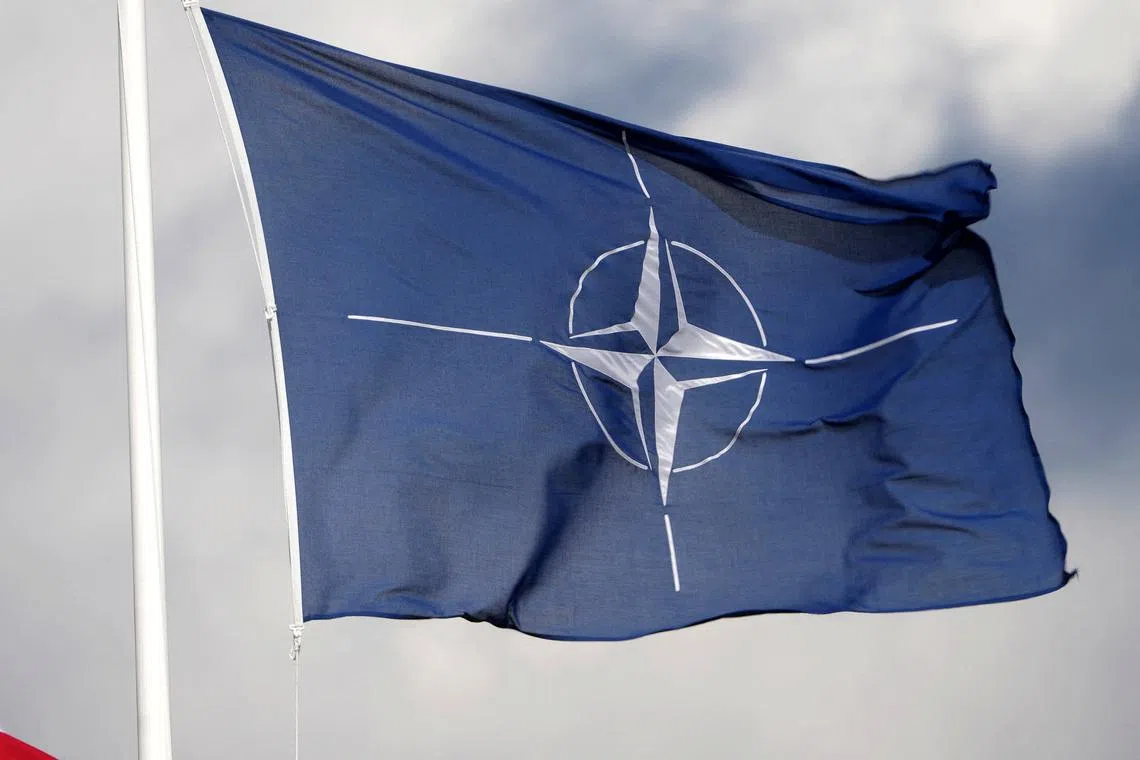
NATO 2026 Summit: Allies Fear Trump Will Derail Unity

Get the Geopolitics newsletter
Daily geopolitics — wars, elections, sanctions, the diplomatic moves that move markets. Free.
- NATO convenes its 2026 summit in Ankara on 7-8 July, with European members' overriding concern that Trump might derail the intended show of unity, overshadowing any debate on Ukraine policy.
- Trump has lambasted allies for what he views as inadequate support for Washington's war, alongside Israel, with Iran; Washington has separately announced further U.S. troop and weapons withdrawals from Europe, and Trump has again speculated about exiting NATO entirely.
- Trump has shut off the major U.S. aid pipeline to Ukraine, forcing the European Union to finalize a €90 billion support loan to Kyiv (disbursements began 29 June), and has repeatedly cast doubt on whether the U.S. would honor Article 5 — what Crisis Group calls the alliance's "cornerstone."
- Ukrainian President Volodymyr Zelenskyy has been invited to Ankara and is expected to attend, alongside leaders of Bahrain, Kuwait, Qatar and the United Arab Emirates — an unusual Gulf-state presence at a NATO summit.
- The 2025 Hague summit committed members to spending at least 3.5% of GDP on the military and 1.5% on critical infrastructure by 2035, while the 2022 Madrid declaration named Russia "the most significant and direct threat to Allies' security."
Why it matters: The Ankara summit tests whether NATO can stage unity while one member publicly questions the mutual defense pledge that holds the alliance together. Trump has cut off the U.S. aid pipeline to Ukraine, forcing the EU alone to fill a €90 billion loan to Kyiv starting 29 June, while announcing further troop withdrawals from Europe — concrete actions that make allies' rhetorical commitments to defense spending and Ukraine support more urgent, and more expensive.