Trump Order Keeps Florida Coal Plant Open Through Summer — SkimNews
Get the Energy newsletter
Daily energy & climate — solar, EVs, oil, the policy fights and tech bets shaping the transition. Free.
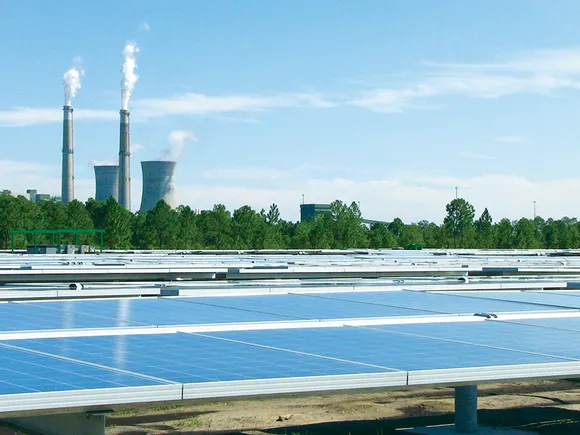
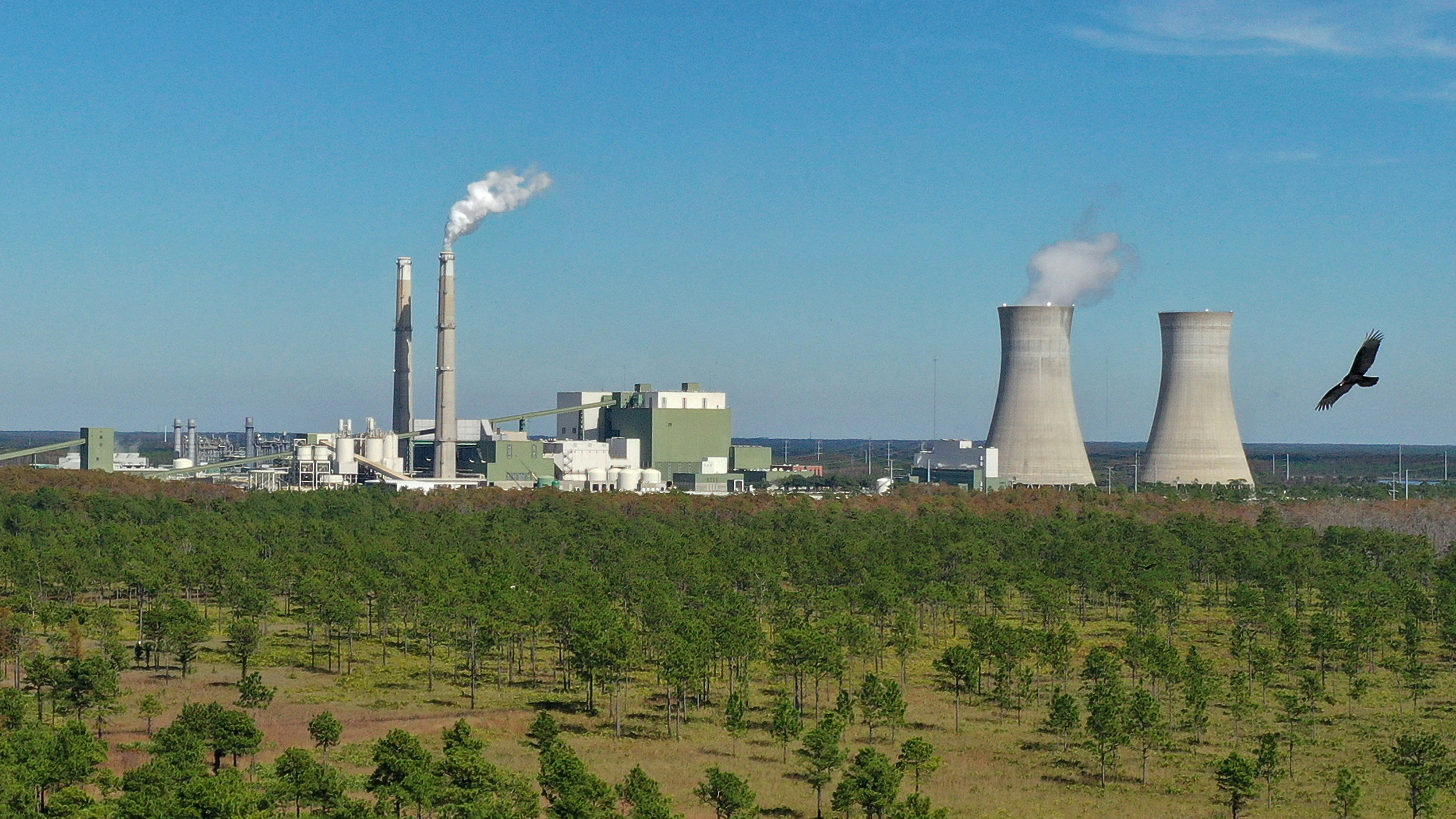
- U.S. Energy Secretary Chris Wright issued an emergency order (effective June 4 through Sept. 1) requiring Orlando Utilities Commission to keep Stanton Energy Center Unit 1 running, overriding the utility's 2025 retirement timeline and its net-zero-by-2050 commitment.
- Orlando Utilities Commission (OUC), Florida's second-largest municipal utility serving more than 288,000 customers in Orange and Osceola counties, said it "will not be able to place Stanton Energy Center Unit 1 into extended cold shutdown at this time" and will fully comply with the order.
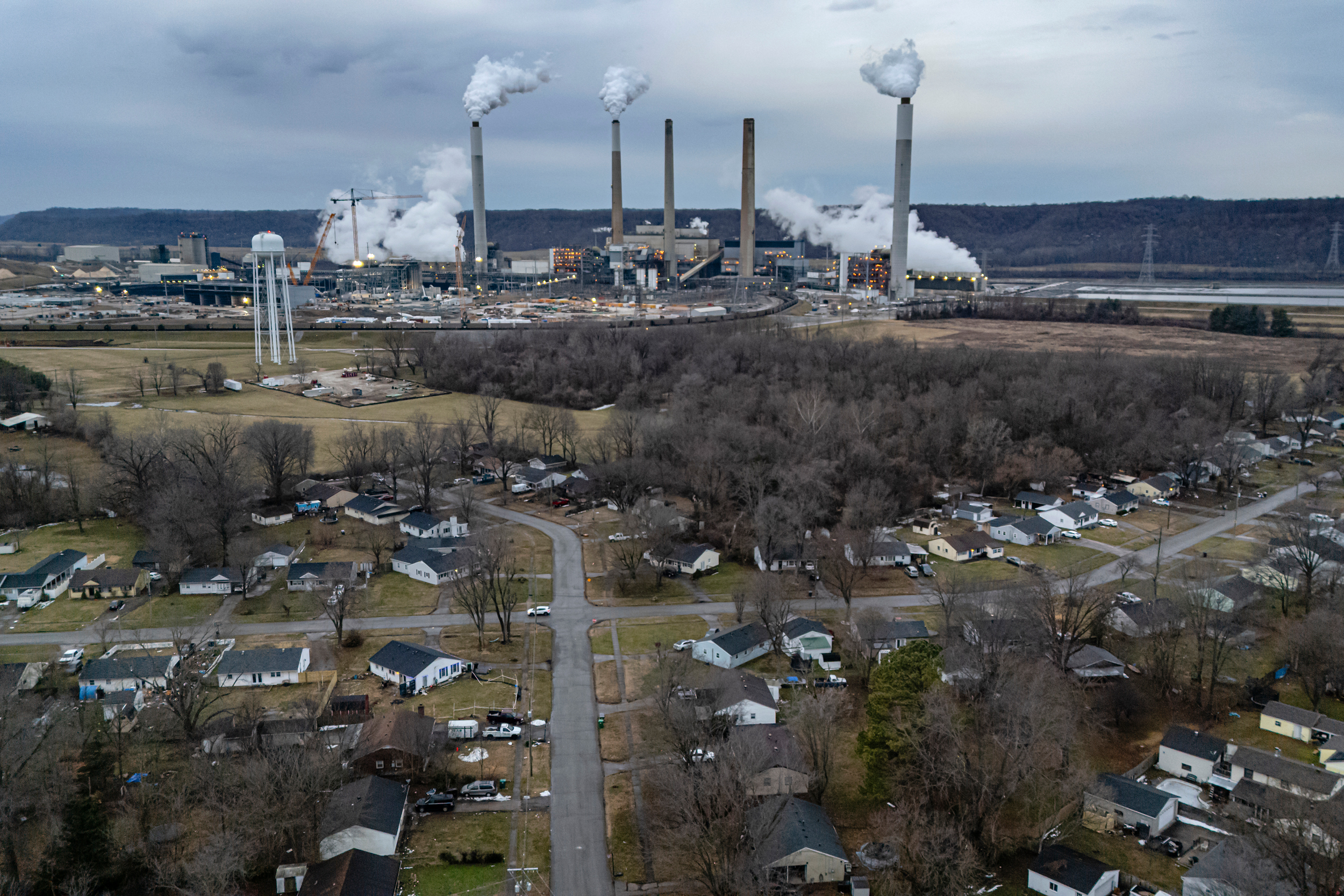
- The Trump administration has issued similar emergency orders in Colorado, Indiana, Michigan, and Washington, reversing coal plant retentions nationwide — and the Environmental Defense Fund says "every large coal plant that was scheduled to retire since the Trump administration started" has been blocked by one of these orders.
- Wright's order cited a Florida energy emergency tied to a burgeoning data center industry, a February cold snap, and an expected hot summer, but an analysis by the North American Electric Reliability Corporation and OUC's own public filings show the coal plants are not necessary to keep up with demand, according to EDF.
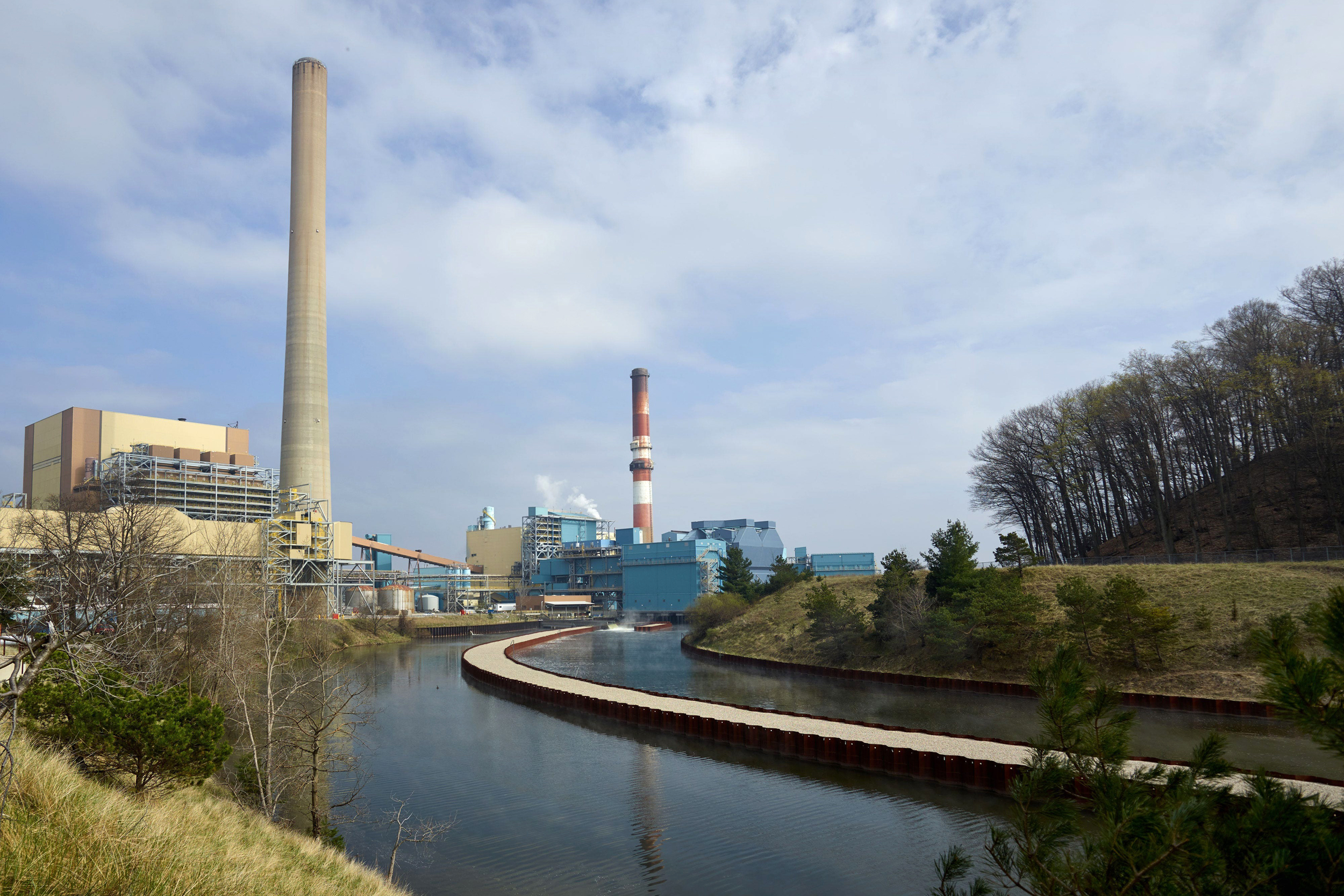
- EDF lead counsel Ted Kelly said the orders boost electricity bills because coal is costlier and less reliable than the renewables utilities had planned, and noted the underlying law was designed for temporary emergencies; EDF estimates Michigan's J.H. Campbell plant's continued operation since May 2025 has cost families and businesses more than $180 million.
- OUC is expected to make a decision about its second coal plant by the end of the year, and utility leaders had called its 2020 net-zero commitment one of the biggest evolutions in the utility's nearly century-long history.
Why it matters: Ratepayers in Orange and Osceola counties will likely shoulder higher electricity costs, since coal is more expensive than the solar and renewable replacements OUC had planned — and Michigan's Campbell plant has already burned through $180 million in extra costs since May 2025 under a similar order. With the Trump administration blocking every scheduled coal retirement that has come up, the federal override is functioning as a nationwide surcharge on utility bills, not a targeted emergency fix.
Ask SkimNews