Munir Courts Iran's Generals to Revive US Talks — SkimNews

Get the Geopolitics newsletter
Daily geopolitics — wars, elections, sanctions, the diplomatic moves that move markets. Free.
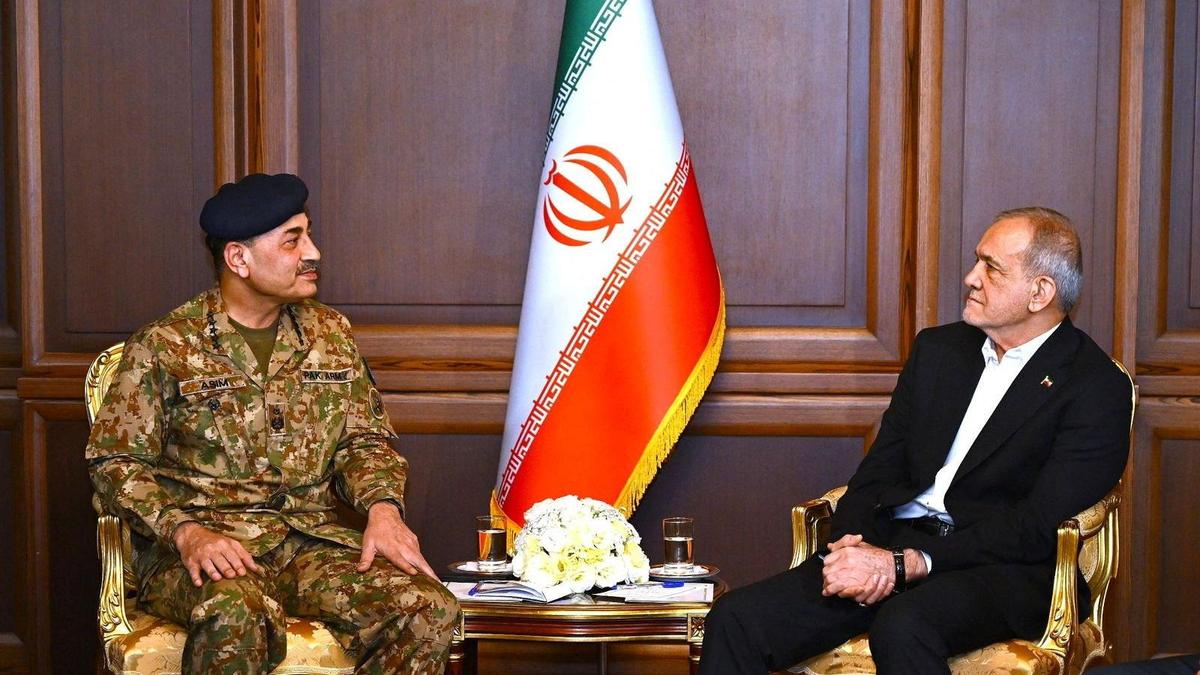
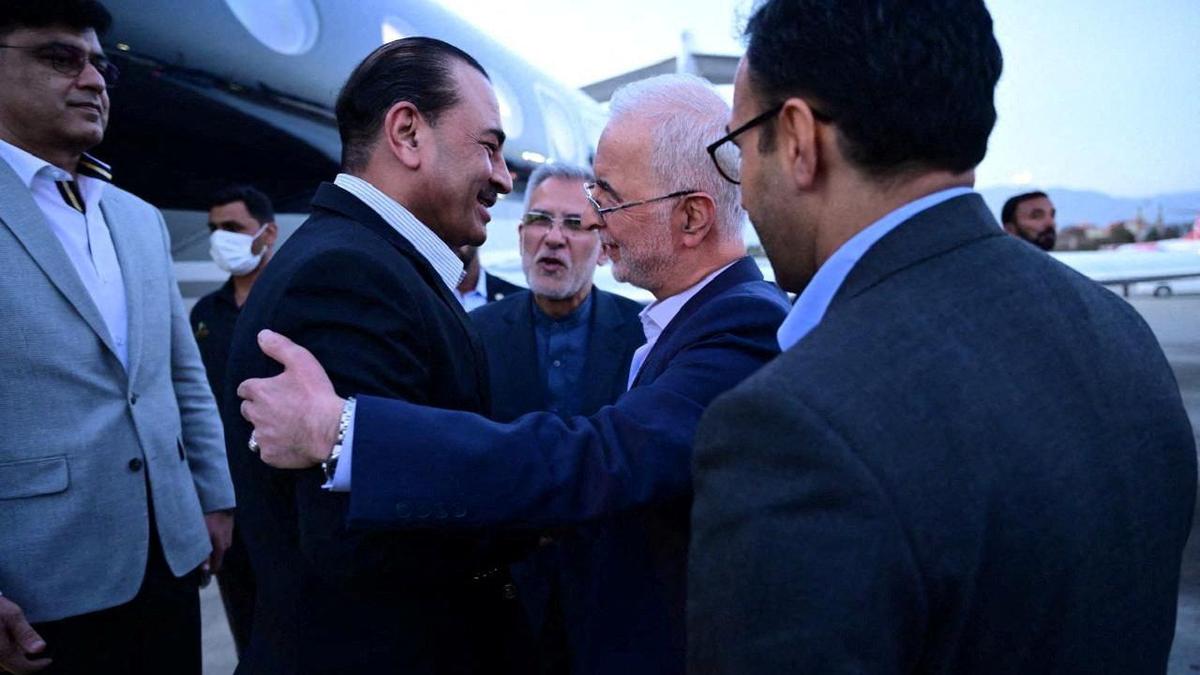
- Asim Munir spent Monday moving through Tehran's power corridors — meeting President Pezeshkian, parliament speaker Ghalibaf, and General Mohsen Rezaei, the newly appointed Supreme National Security Council secretary — marking his fourth visit this year but his first since Iran's August 10 military reshuffle.
- Donald Trump phoned Munir days before the trip, requesting Pakistani leadership use its influence to bring Iran back to talks; Trump has publicly called Munir his "favourite field marshal," and analysts say his uniform-to-uniform channel gives him rare access to Iran's actual decision-makers.
- Iran's reshuffled command under Supreme Leader Mojtaba Khamenei now concentrates decisions in General Ali Abdollahi (chief of general staff), Rezaei, and IRGC commander Ahmad Vahidi — "the actual architects of Iran's decision-making," per a former Pakistani vice admiral.
- Pezeshkian publicly urged ending the war while Iran "holds the advantage," but hours later Abdollahi promised "revolutionary, crushing, regret-inducing and devastating" responses to any US miscalculation — a gap between Iran's civilian and military leaders that Munir must bridge.
- Iranian officials told Munir they "distrust America" and demand the US honor the Memorandum of Understanding; Pezeshkian pressed Munir to tell Washington to "correct its tone and approach," warning that "relying on force and bullying will only complicate the process."
- On the same day as Munir's meetings, US Treasury Secretary Bessent unveiled "Operation Economic Outcast" — sanctions hitting Iran's digital assets, gold, aviation, technology, and shipping — while holding back penalties on third-country traders to avoid "blowing up the global financial system."
Why it matters: Iran's decision-making has shifted from diplomats to generals since the August 10 reshuffle, and Iran's own president is publicly split from its military brass on whether to end the war — meaning Munir's military-to-military access may be the only channel that reaches the people who actually green-light a deal. The same-day launch of "Operation Economic Outcast" shows Washington is squeezing Tehran economically even while leaning on Pakistan to mediate, complicating any near-term breakthrough.
Ask SkimNews