Pakistan army chief in Tehran to revive US-Iran talks — SkimNews

Get the Geopolitics newsletter
Daily geopolitics — wars, elections, sanctions, the diplomatic moves that move markets. Free.
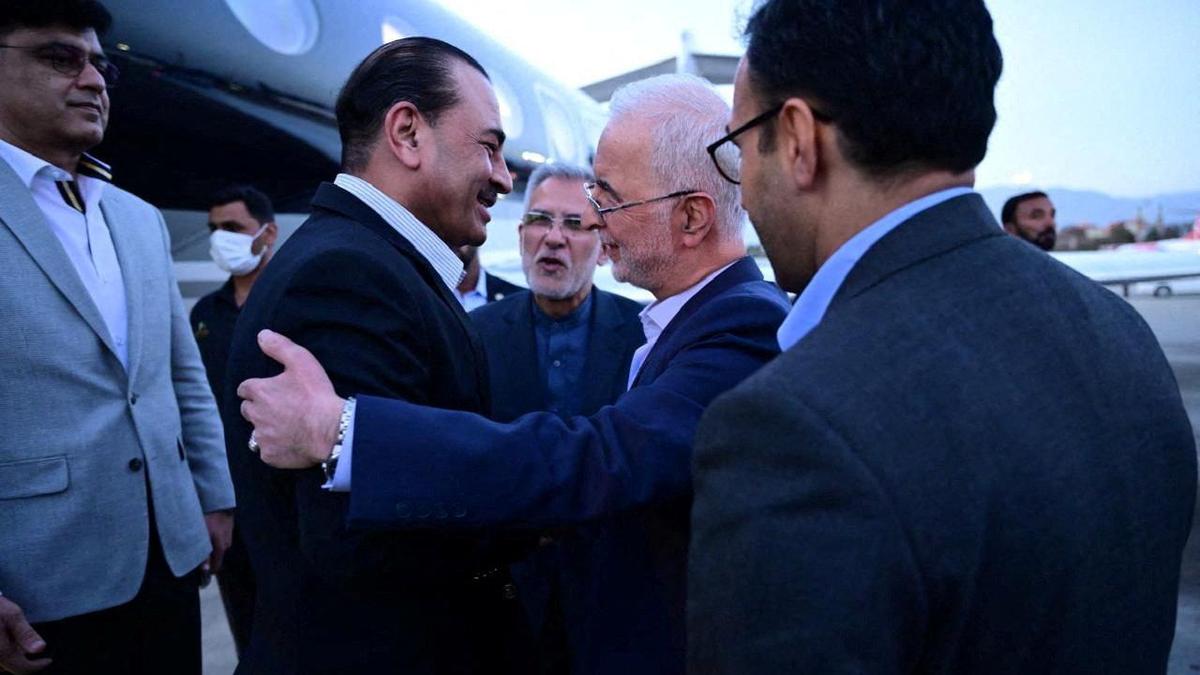
- Asim Munir arrived in Tehran for talks with Iranian officials, marking his fifth visit since the April ceasefire between Washington and Tehran, as Pakistan pushes to restart negotiations.
- Qatar has become a key channel for US-Iran diplomacy, providing the negotiating framework, while Pakistan offers political access through figures like Munir, according to security analyst Andreas Krieg.
- The US deployed an additional aircraft carrier to the Middle East after Trump rejected an Iranian peace proposal on September 26, with the carrier expected by late November.
- Pakistan, Saudi Arabia, and Turkiye signed the Mecca Joint Defence Agreement in August and agreed on October 5 to accelerate force deployments, though Pakistan denies its troops will strike Houthis in Yemen.
- Trump stated on October 8 that the US would not attack Iran before the November 3 midterm elections, but ten days later endorsed Netanyahu, suggesting unilateral US action if Israel’s leadership changes.
- The Islamabad MoU, a 14-point agreement brokered by Pakistan in June, expired in mid-August without renewal; Iran blames the US for failing to lift its naval blockade and release $24bn in assets.
- Iran has kept the Strait of Hormuz closed, insisting the US lift its blockade first, while analysts disagree on whether the expired MoU can still serve as a negotiation basis.
Why it matters: Pakistan’s dual role as US-Iran mediator and Saudi security ally creates growing tension—its credibility in de-escalation talks is weakened just as Trump’s mixed signals and military buildup raise the stakes ahead of US and Israeli elections, with no alternative framework to replace the defunct MoU.
Ask SkimNews