Immune Overreaction to DNA Damage Drives Rapid Aging — SkimNews

Get the Health newsletter
Daily health & science — research, biotech, public health, the studies worth knowing. Free.
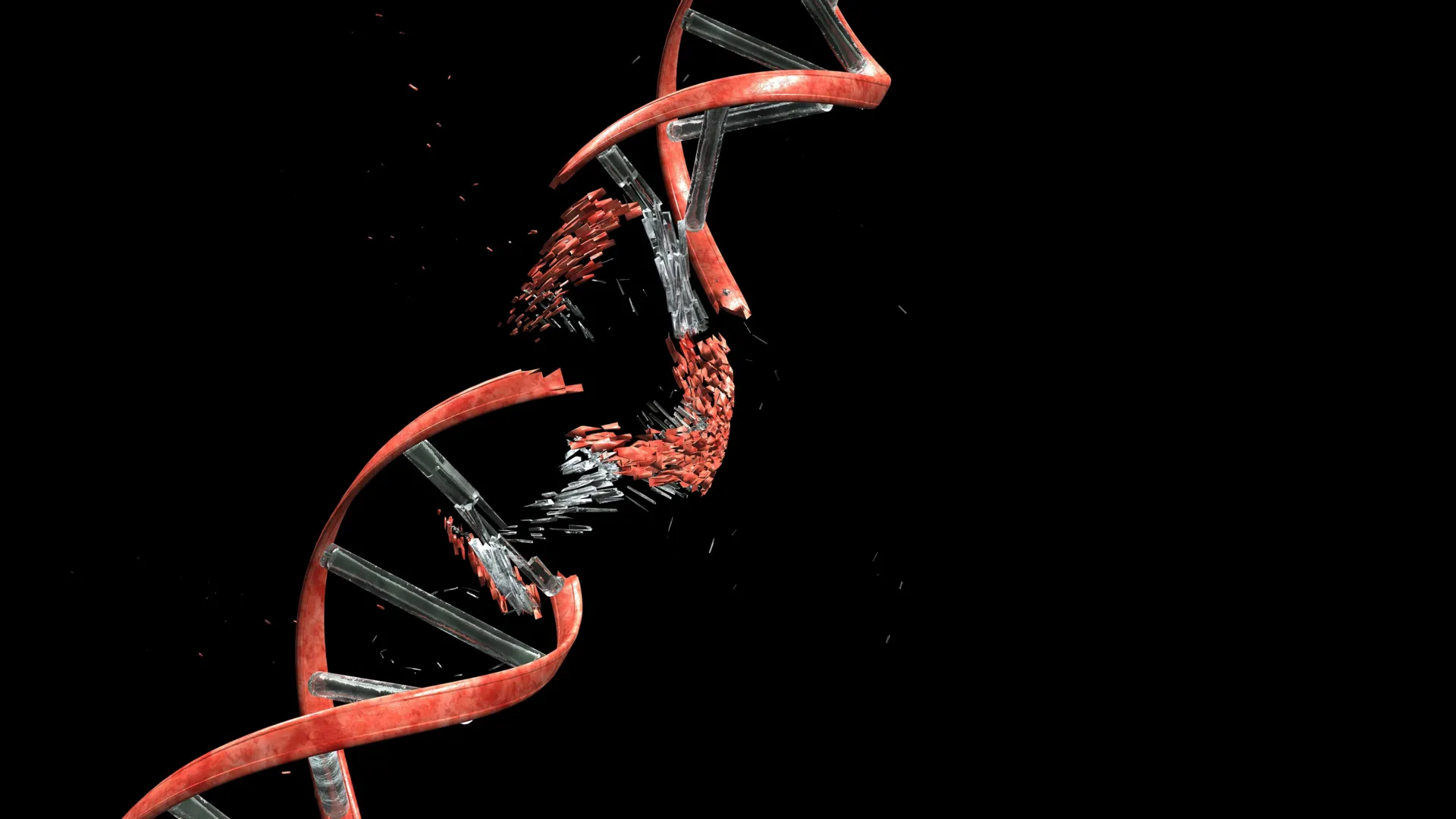
- Researchers led by Dr. Marva Bergman and Prof. Itamar Harel at Hebrew University found that the immune sensor cGAS triggers a "false alarm" by mistaking leaked self-DNA fragments for viral DNA, driving chronic inflammation in DNA damage-repair syndromes including Ataxia-Telangiectasia and Bloom syndrome.
- cGAS has a dual harmful role: it activates inflammation and also moves into the cell nucleus to directly disrupt DNA repair machinery, compounding cellular decline through two separate mechanisms.
- Reducing cGAS activity in a fast-aging vertebrate model restored function across neuroinflammation, tissue degeneration, and loss of reproductive capacity, not just slowing decline but reversing it in multiple systems.
- Prof. Harel said the findings challenge the decades-old assumption that unrepaired DNA alone drives cellular decline: "the body's response to that damage, an exaggerated, chronic inflammatory reaction, drives much of the degeneration."
- Dr. Bergman noted that the body "can cope with more DNA damage than we assumed, if the inflammatory response is kept in check," suggesting future therapies for DNA repair disorders could target the immune response rather than chasing every individual DNA lesion.
- The study, published in Genes (2026, DOI: 10.1100/gad.352760.125), cautions that any treatment must dampen cGAS's damaging inflammation without eliminating its essential antiviral defense.
Why it matters: For patients with Ataxia-Telangiectasia or Bloom syndrome, the work reframes the treatment target from fixing DNA itself to controlling the inflammatory overreaction — a potentially more tractable problem. Researchers caution any therapy must preserve cGAS's antiviral role, and the same chronic-inflammation-plus-genomic-instability pairing appears in broader age-related diseases.
Ask SkimNews