Kimchi Probiotic Doubles Nanoplastic Excretion in Mice — SkimNews
Get the Health newsletter
Daily health & science — research, biotech, public health, the studies worth knowing. Free.
- Leuconostoc mesenteroides CBA3656, a kimchi-derived lactic acid bacterium, achieved 87% adsorption of polystyrene nanoplastics under standard lab conditions — nearly matching reference strain Latilactobacillus sakei CBA3608 at 85%.
- Strain CBA3656 retained 57% binding efficiency under conditions mimicking the human intestine, while the reference strain Latilactobacillus sakei CBA3608 collapsed from 85% to just 3% under the same conditions.
- Germ-free mice given CBA3656 excreted more than double the nanoplastics in their feces compared with mice that did not receive the probiotic, according to the WiKim research team.
- The study, published in Bioresource Technology (Impact Factor 9.0), was led by Drs. Se Hee Lee and Tae Woong Whon at the World Institute of Kimchi, a government-funded institute under South Korea's Ministry of Science and ICT (President: Hae Choon Chang).
- Lead researcher Dr. Sehee Lee framed plastic pollution as a growing public health concern and said microorganisms from traditional fermented foods could represent 'a new biological approach' to the problem.
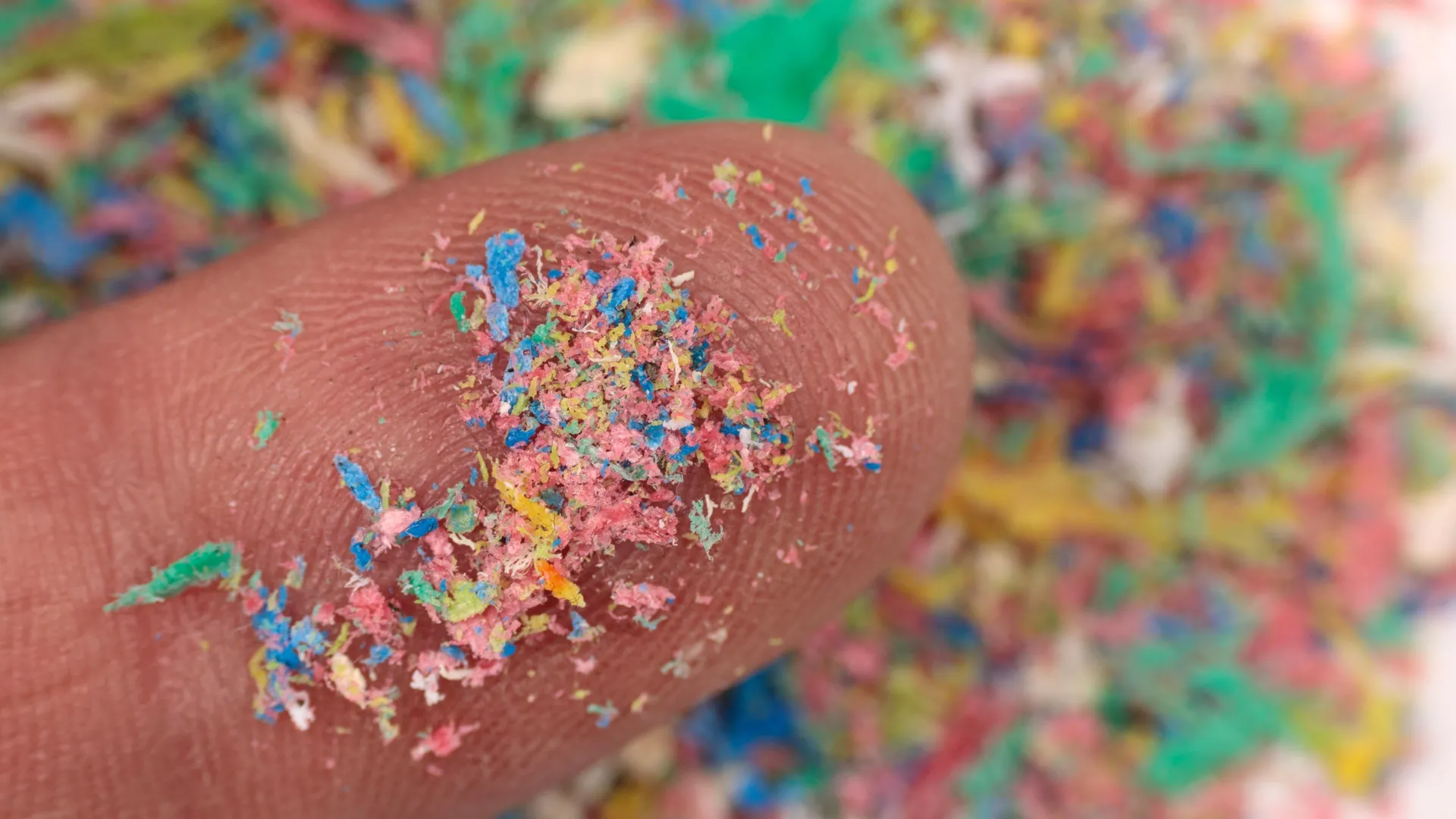
- Nanoplastics — plastic particles under 1 micrometer that enter the body through food and drinking water — are feared to pass through the intestinal barrier and accumulate in organs including the kidneys and brain.
Why it matters: The intestinal-simulation gap is the real finding: the reference probiotic basically quit (85% to 3%) once conditions resembled the human gut, while the kimchi strain held 57%. For researchers and the fermented-food sector, this positions traditional foods as a candidate tool against organ-level nanoplastic accumulation — though results remain preclinical (lab tests and germ-free mice) and unproven in humans.
Ask SkimNews