Decoy Molecules Trick Bacteria to Degrade Pollutants — SkimNews

Get the Health newsletter
Daily health & science — research, biotech, public health, the studies worth knowing. Free.
- Nagoya University researchers published a study in the Journal of Materials Chemistry A showing that decoy molecules can induce native soil bacteria to degrade persistent aromatic pollutants without genetic modification.
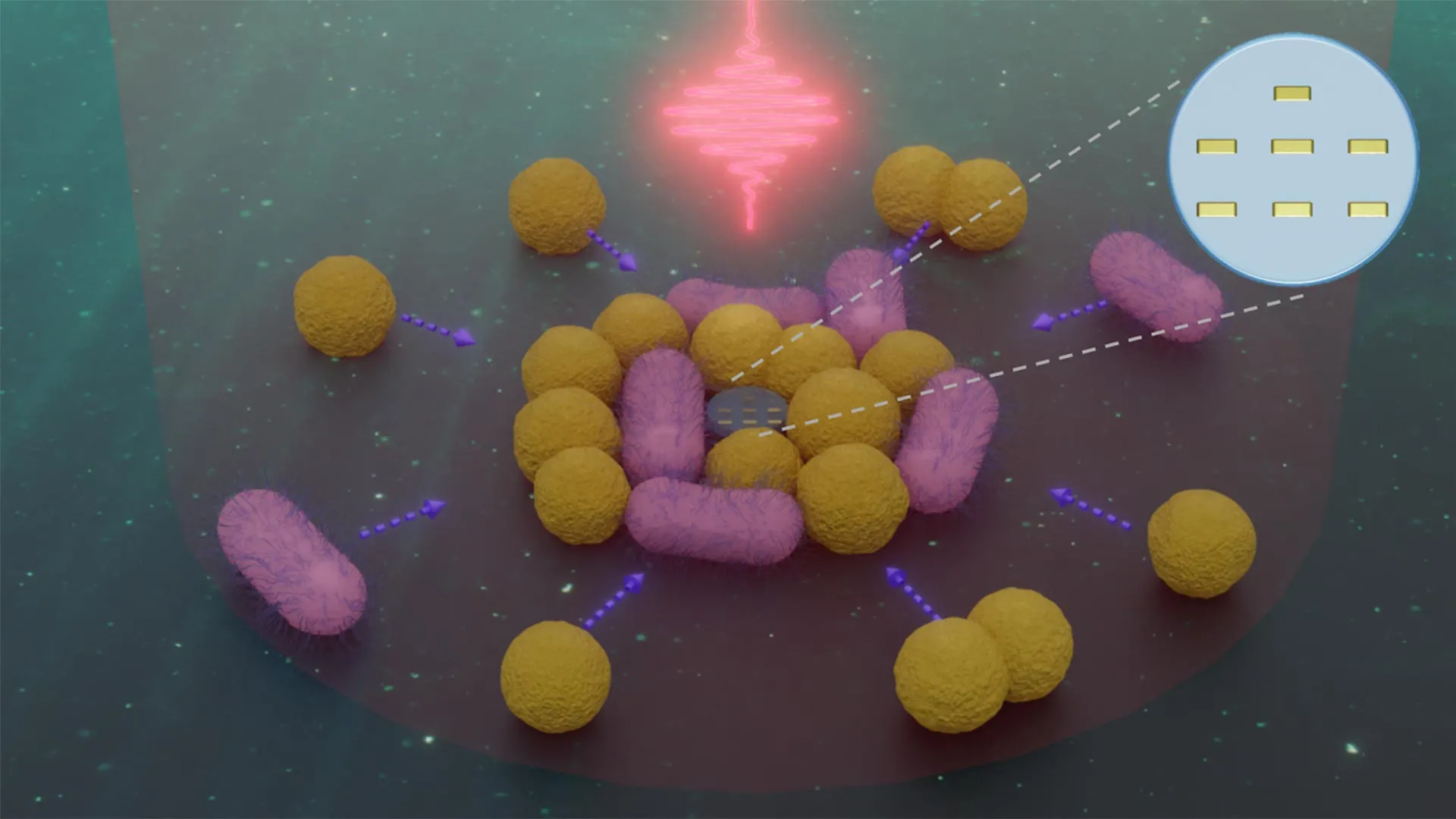
- Professor Osami Shoji and doctoral students Fumiya Ito and Masayuki Karasawa exploited cytochrome P450 enzymes, using decoy molecules that mimic fatty acids to deceive the enzyme's lock-and-key mechanism into hydroxylating pollutants instead.
- The decoy molecules bind to cytochrome P450 similarly to fatty acids but are too short to reach the active site, creating a confined reaction space where pollutants are hydroxylated while the decoys remain intact and reusable.
- Systematic screening of 10 bacterial strains against 76 decoy molecules identified specific strain-decoy combinations that achieved benzene hydroxylation, with the same approach also working on toluene, xylene, and naphthalene.
- Bacillus subtilis completely degraded dioxin model compounds within two hours at 45 degrees Celsius when exposed to decoy molecules, with computational simulations confirming the enzyme has sufficient binding capacity for both the decoy and the larger dioxin molecule.
- The approach sidesteps strict ecological regulations that restrict the release of genetically engineered microorganisms (GEMs) in natural environments, a key limitation of prior pollutant-degradation strategies.
Why it matters: Persistent pollutants like dioxins resist natural microbial breakdown due to their chemical stability, accumulating in soil over time. This decoy-molecule approach gives native bacteria pollutant-degrading capabilities without genetic modification, bypassing the regulatory restrictions that block genetically engineered microbes from environmental release — potentially unlocking scalable, regulation-compatible bioremediation across multiple bacterial species and pollutant types.
Ask SkimNews