Chem-Bio Hybrid Yields Amebiasis Drug Leads YOK24, NS-181 — SkimNews

Get the Health newsletter
Daily health & science — research, biotech, public health, the studies worth knowing. Free.
- Nagoya University researchers identified liver enzymes CYP 2B1 and CYP 2C6 as the main drivers of rapid ovalicin breakdown, solving a decades-old mystery about why the potent antiparasitic was never developed.
- Yuta Tsunematsu and team used genetically engineered filamentous fungi to produce gram-scale quantities of a non-natural ovalicin molecule, then synthesized roughly 30 derivatives by attaching different molecular groups at a custom site.
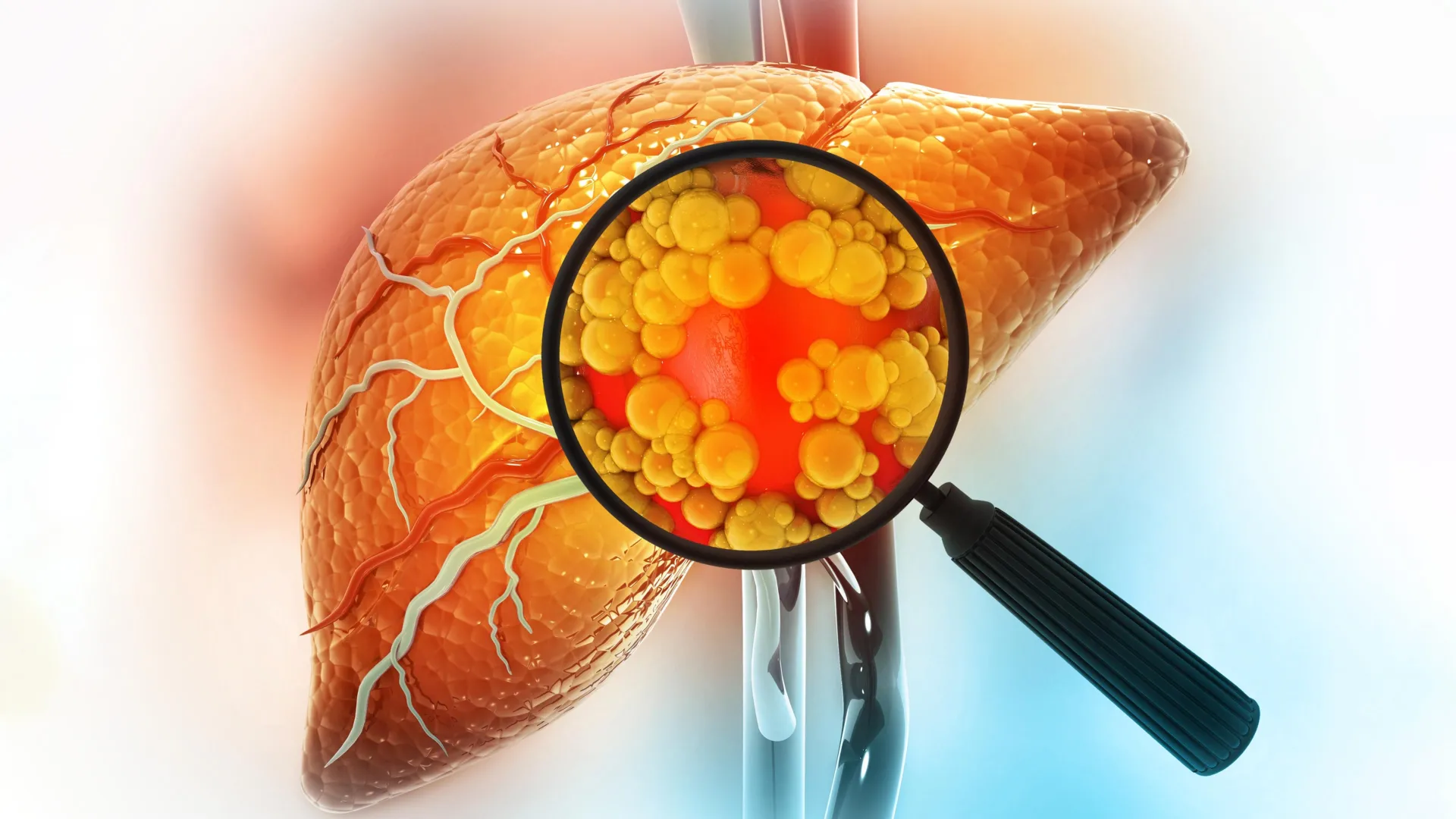
- YOK24 and NS-181 — the two lead compounds — blocked the parasite's MetAP2 enzyme (which humans have a backup for) and eliminated amebic infection in hamsters, causing liver abscesses to disappear entirely.
- Both candidates proved effective via injection and oral administration, a critical advantage given that roughly 50 million symptomatic amebiasis cases occur annually, predominantly in low-resource tropical and subtropical settings.
- The study, published in the Journal of the American Chemical Society, introduces chem-bio hybrid synthesis — combining microbial genetic engineering with chemistry — as a general method to retool natural products that fail in patients due to metabolic breakdown or toxicity.
- Existing first-line treatments like metronidazole carry side-effect risks and face growing resistance concerns, making the new MetAP2-targeting candidates a mechanistically distinct alternative.
Why it matters: With roughly 50 million symptomatic amebiasis cases each year concentrated in low-resource tropical regions, an oral, stable alternative to metronidazole — which already faces resistance concerns — addresses a real unmet need. The chem-bio hybrid method also generalizes to other MetAP2-targeting applications including cancer and obesity drug development.
Ask SkimNews