Drought‑Fueled Georgia Blaze Ignites Amid Debris — SkimNews
SkimNews Take
The geographical spread of drought-fueled wildfires, typically associated with western states, demonstrates a broadening national vulnerability to climate-driven disasters.
Get the Energy newsletter
Daily energy & climate — solar, EVs, oil, the policy fights and tech bets shaping the transition. Free.
- Southeast US has endured a drought since July 2025, drying vegetation and fueling wildfires across the region.
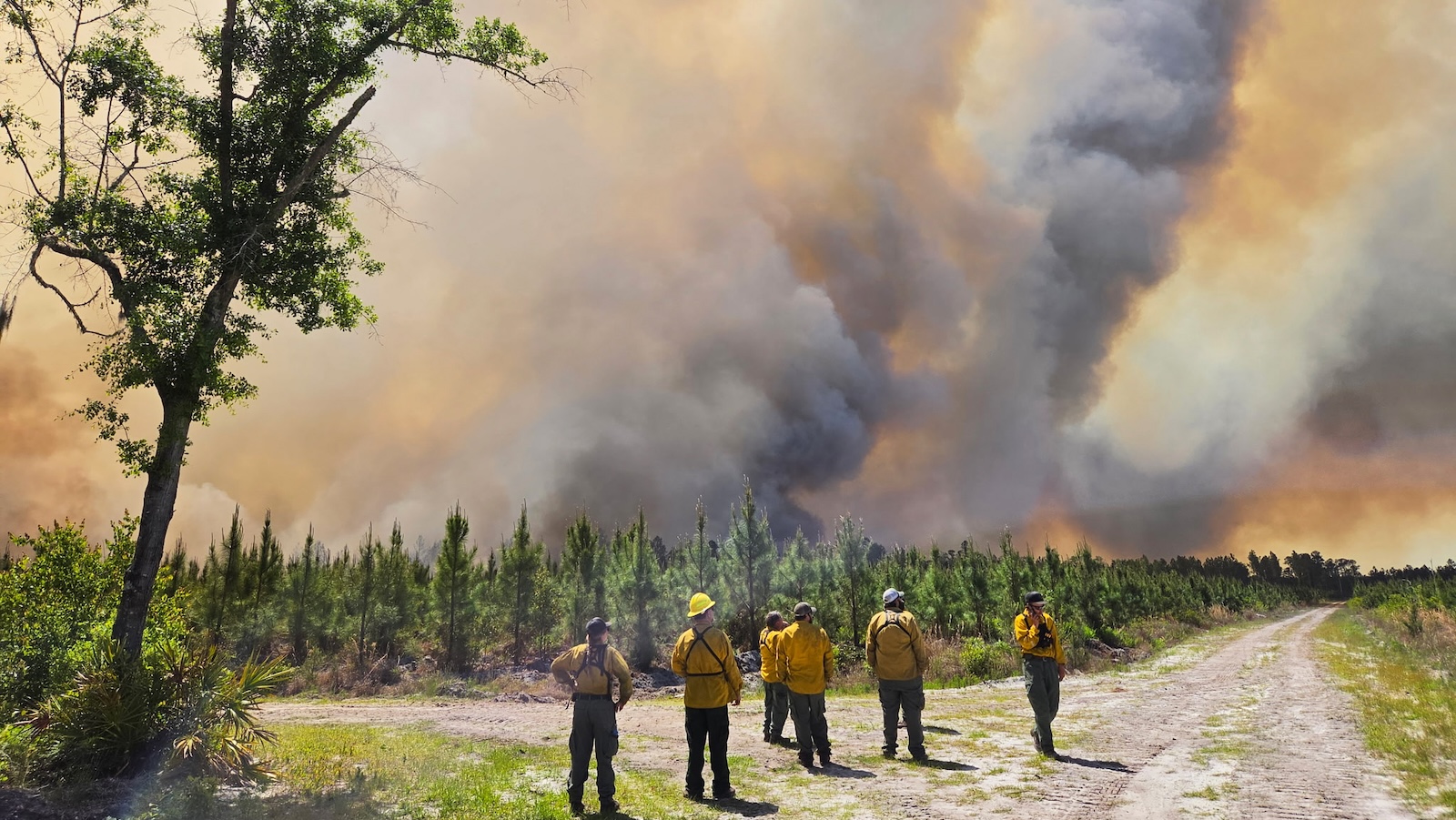
- Georgia fire this month was likely sparked by a balloon striking a power line, igniting one of the largest blazes in the state.
- Prescribed burns were paused in some areas because officials feared that small, controlled fires could escape control amid the drought.
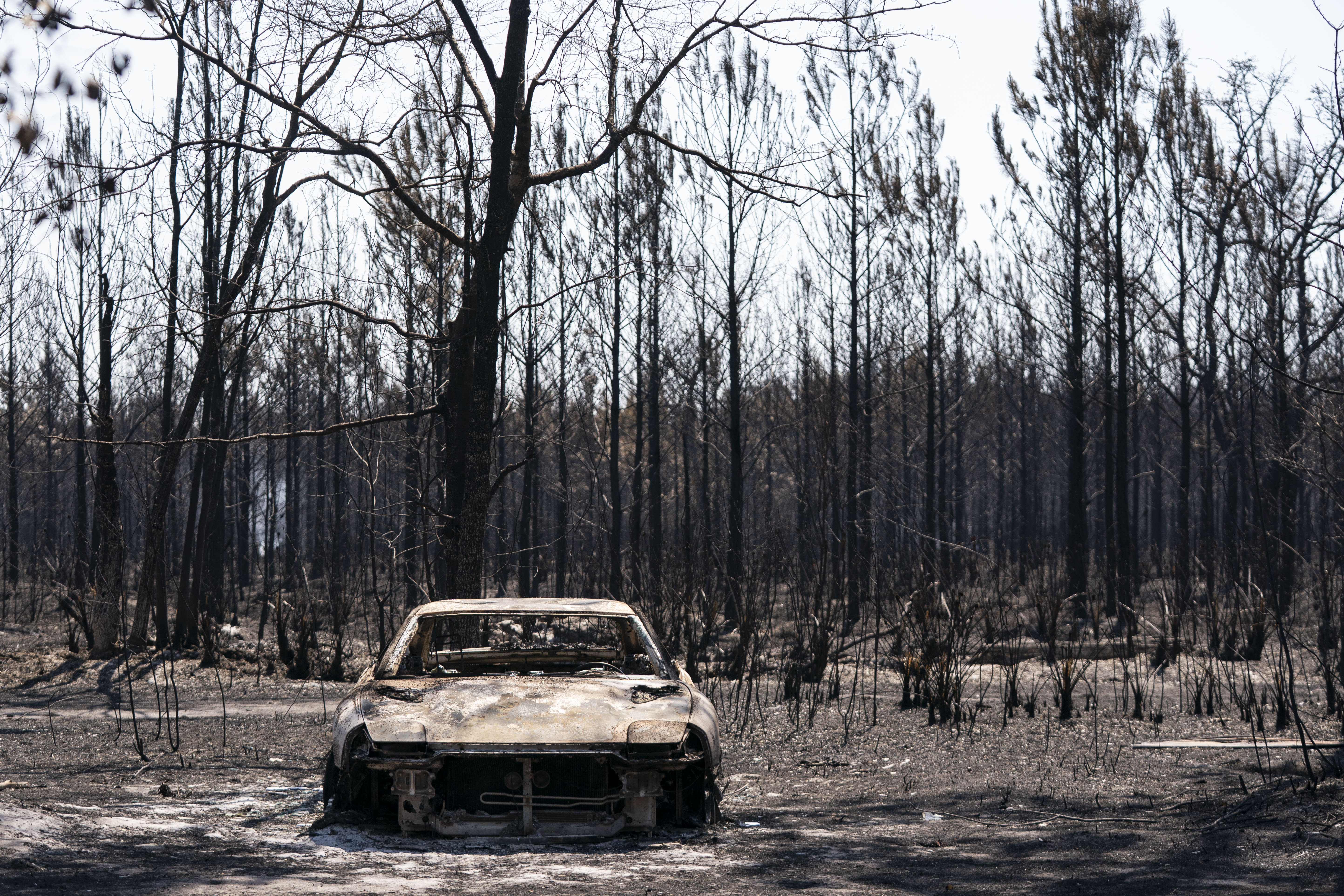
- Hurricane Helene debris—felled trees and branches left from the 2024 storm—remains in the landscape, adding fuel to the drying vegetation.
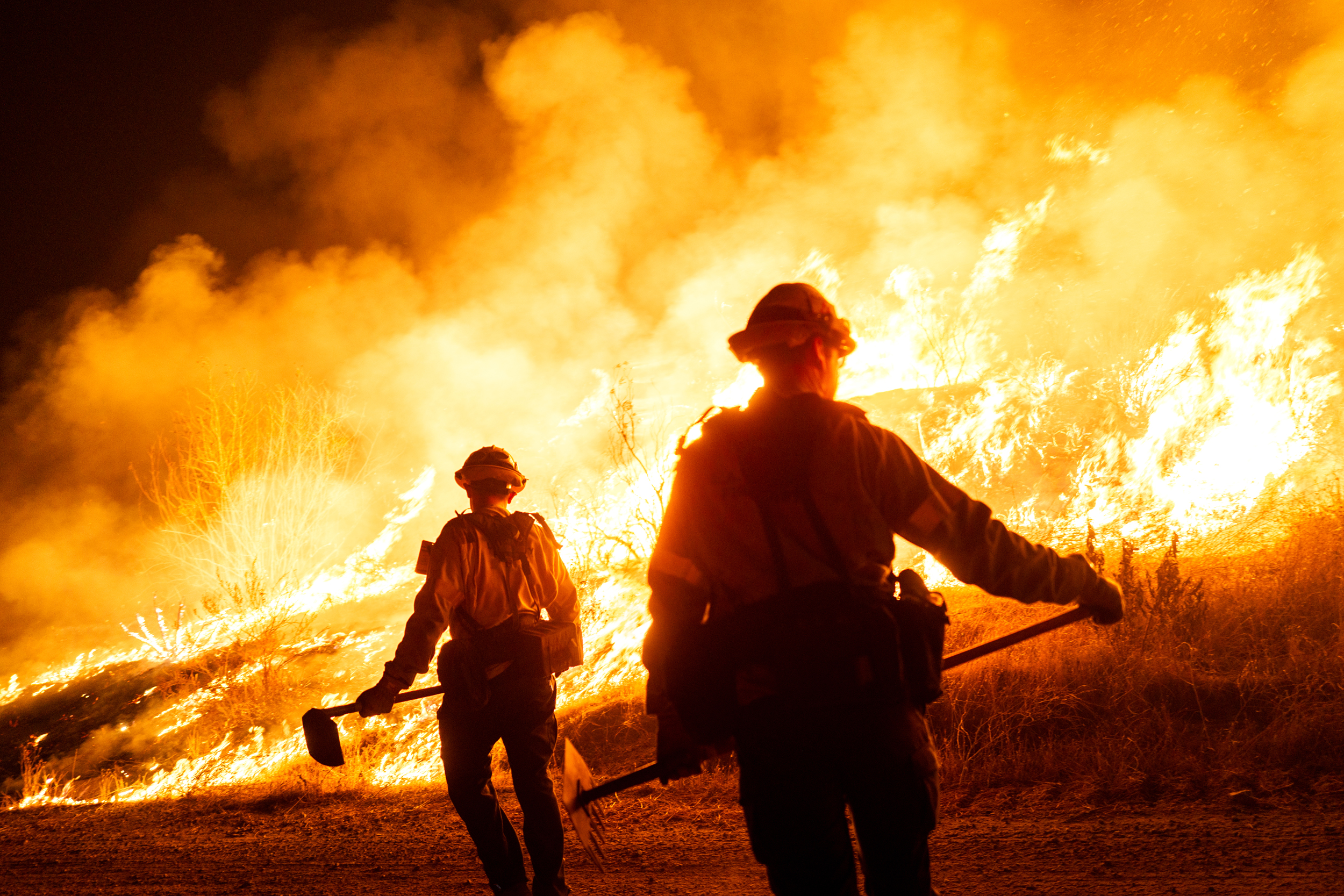
- AccuWeather meteorologist Brandon Buckingham noted that the April wildfire activity is unusual for the Southeast and attributes it to the extreme drought‑driven dryness of fuels.
- Southeast fire pattern normally includes many small or agricultural blazes, yet the current spate of large wildfires stands out as an atypical escalation.
Why it matters: The surge in wildfire activity threatens communities and property across the Southeast, while the delay of prescribed burns and leftover hurricane debris amplify fire risk, forcing officials to reassess fire‑prevention strategies and creating pressure on emergency services and insurance providers.
Ask SkimNews