Wildfire Experts Warn 2026 Fire Season Looks Severe — SkimNews
Get the Energy newsletter
Daily energy & climate — solar, EVs, oil, the policy fights and tech bets shaping the transition. Free.
- 2025 wildfire season burned roughly two-thirds of the 10-year average area nationwide, though the January 2025 Los Angeles wildfires alone killed 31 people and destroyed more than 16,000 buildings
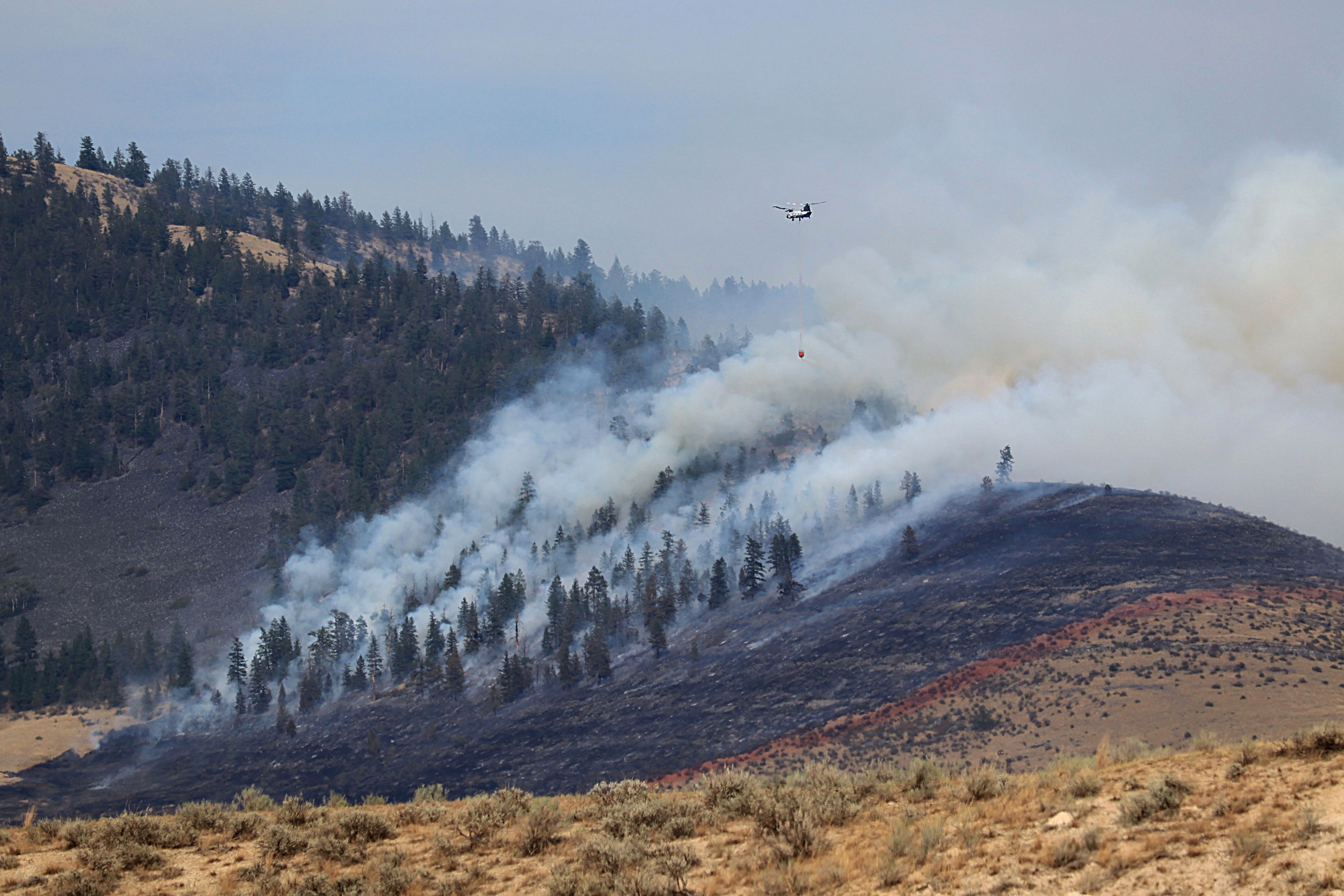
- 2026 acreage burned had already reached about 2.4 million acres by late May — nearly double the 10-year average for that point in the year, according to the National Interagency Fire Center
- Mountain snowpack in the Rockies and California's Sierra Nevada is among the lightest in recent history after a mild winter, meaning the usual spring melt will provide little moisture to dampen lower-slope forests
- National drought conditions are drier for late spring than at any point this century, with the Four Corners region — where Utah, Colorado, Arizona, and New Mexico meet — facing the most severe summer wildfire risk
- The North American Monsoon and emerging El Niño could deliver dry lightning that ignites parched vegetation, a scenario Daniel Swain of UC Agriculture and Natural Resources compared to the August 2020 lightning storms that triggered California's most extensive wildfires in history
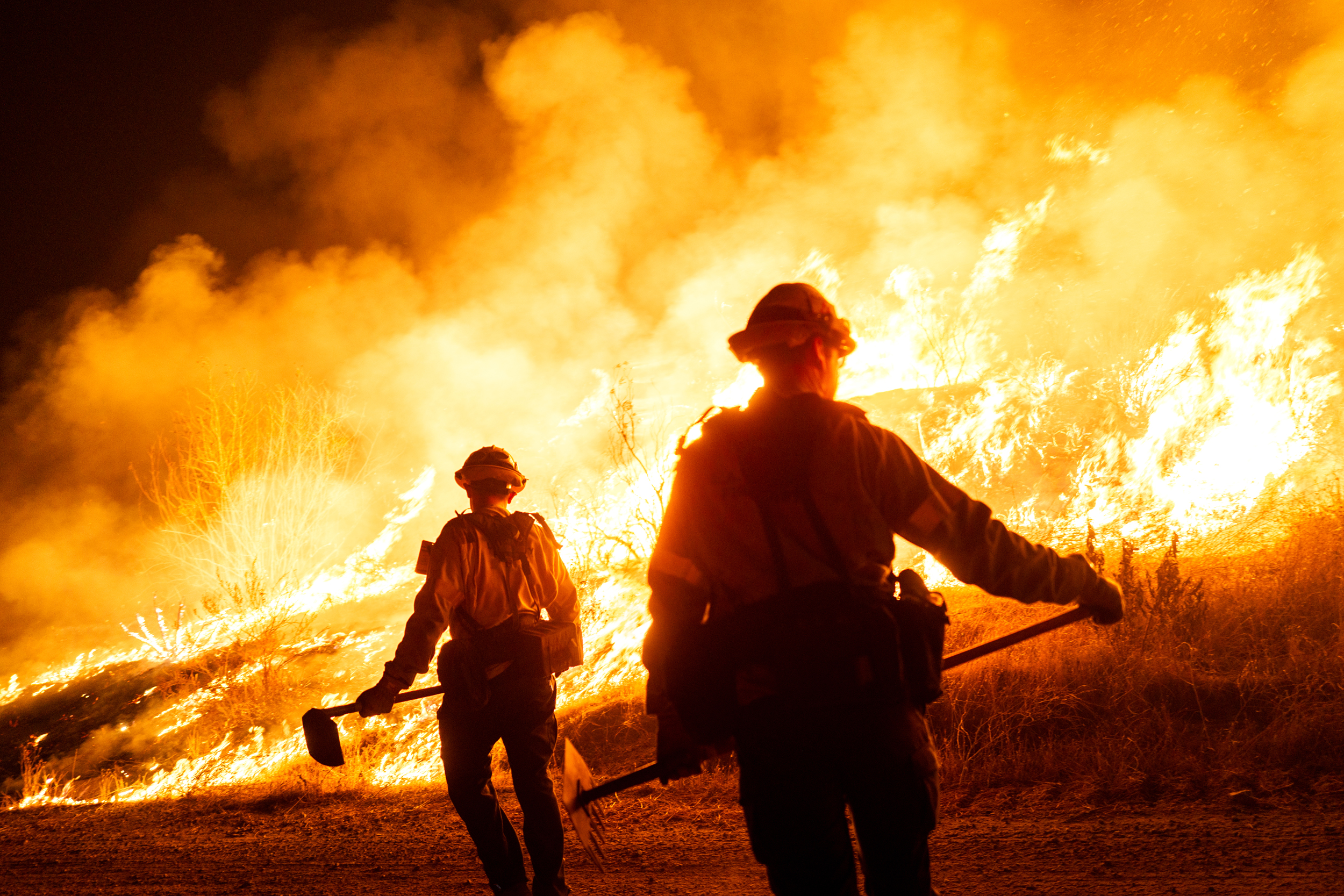
- Federal wildland firefighting capacity has been undercut by Trump administration restructuring and the loss of staff qualified for incident response teams since Trump returned to office, leaving firefighters worried about their ability to respond
Why it matters: The combination of historically poor environmental conditions and diminished federal response capacity is a double vulnerability — the same year drought indicators hit century lows, the institutional apparatus designed to fight the resulting fires has been hollowed out, putting communities in the Four Corners and Mountain West at heightened risk heading into peak season.
Ask SkimNews