Oil Near $100, Gas Hits $4.14 as Iran War Overwhelms Trump's Price Fixes — SkimNews
Get the Energy newsletter
Daily energy & climate — solar, EVs, oil, the policy fights and tech bets shaping the transition. Free.
- Iranian-backed Houthis struck Saudi Arabia's oil infrastructure, spiking global crude prices to nearly $100 per barrel—up 33% since the July pause in Middle East hostilities—hours after Trump predicted on Truth Social that prices would fall once the U.S. wins its war with Iran.
- U.S. consumers have paid more than $101 billion in higher fuel costs since the war began on February 28, equating to over $771 per household, according to Brown University's Iran War Energy Cost Tracker.
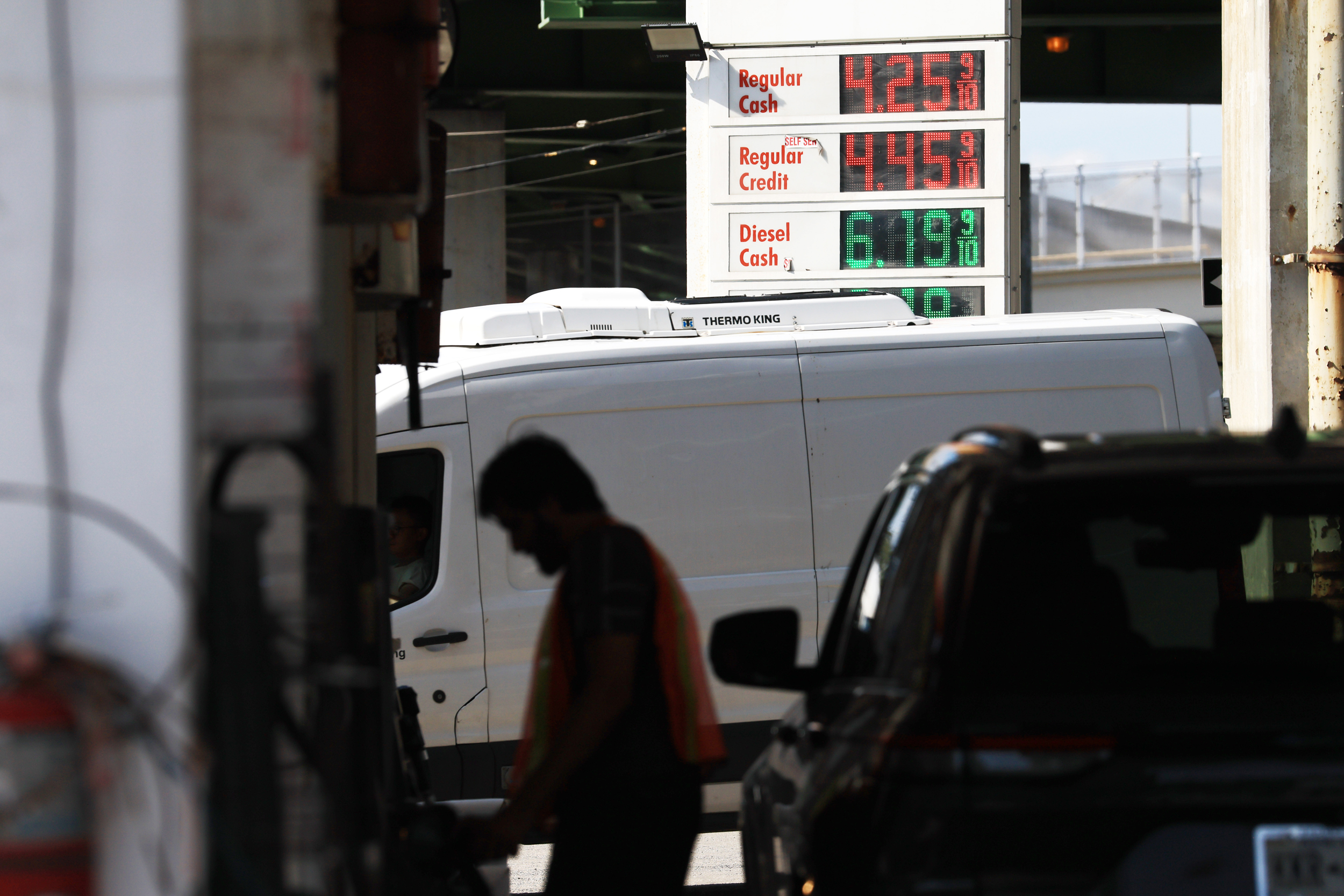
- Gasoline prices hit $4.14/gallon heading into Labor Day weekend, on track to set a holiday record—directly undermining the EPA's August 20 decision to end summer smog-fuel requirements early, which analysts said delivered fewer miles per gallon rather than actual savings.
- China reduced transportation oil consumption 16% from April through June via rapid EV electrification, insulating its consumers from the price spike while U.S. EV adoption forecasts are falling due to Trump administration rollbacks.
- Venezuela's production is up 25% to 1.25 million barrels per day since Maduro was unseated in January, with half going to U.S. Gulf Coast refineries; analysts told Inside Climate News that the new U.S.-Venezuela oil deal's payoff for consumers will be gradual.
- Defense Secretary Pete Hegseth posted that Iranian oil tankers were "defenseless" after the U.S. military struck three of them, hours before the Houthi offensive on Saudi facilities—a sequence showing Saudi Arabia's status as the world's third-largest oil producer behind the U.S. and Russia.
Why it matters: The Trump administration's push to lower gas prices through regulatory rollbacks and the Venezuela deal is being swamped by its own Middle East military escalation: Americans paid $4.14/gallon at Labor Day and over $771 per household cumulatively since February, while China used EV adoption to absorb the same shock without passing it to drivers.
Ask SkimNews