Trump says Iran war nearing end, vows hard strike — SkimNews

SkimNews Take
The imminent Iran deal, while addressing U.S. energy needs, may inadvertently highlight a growing divergence between American economic priorities and NATO's security concerns in Europe.
Get the Geopolitics newsletter
Daily geopolitics — wars, elections, sanctions, the diplomatic moves that move markets. Free.
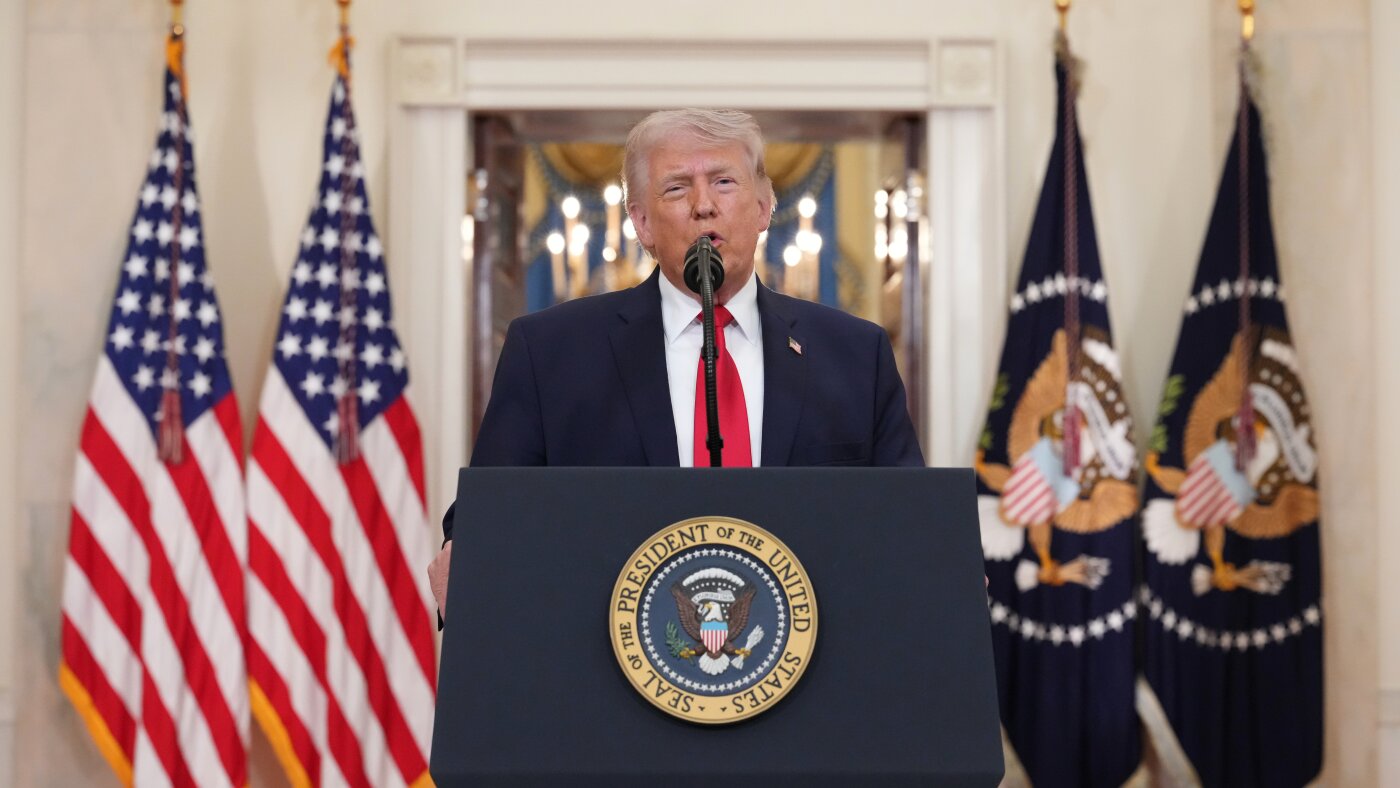
- Trump announced a near‑term Iran peace deal after calls with Netanyahu and Arab leaders.link ›
- NATO pledged to defend every inch of Allied territory after a Russian drone hit a 10‑storey apartment block in Galaţi, injuring a woman and child.link ›
- Russia launched 600 drones and 90 missiles—including a hypersonic Oreshnik—on Kyiv, killing at least two and injuring 77.link ›
- Israel killed the chief of Hamas’s armed wing in Gaza, prompting a funeral procession in Gaza City.link ›
- Xi Jinping met Pakistan’s Shehbaz Sharif in Beijing, praising Pakistan’s mediation in the Iran war.link ›
- White House warned the Iran cease‑fire agreement would need several days for Tehran’s sign‑off, and Trump said there was no rush.link ›
President Trump announced that the Iran war’s core objectives are almost achieved and warned of intensified U.S. strikes in the coming weeks, prompting oil prices to surge and stock futures to slide.
The stories behind this week
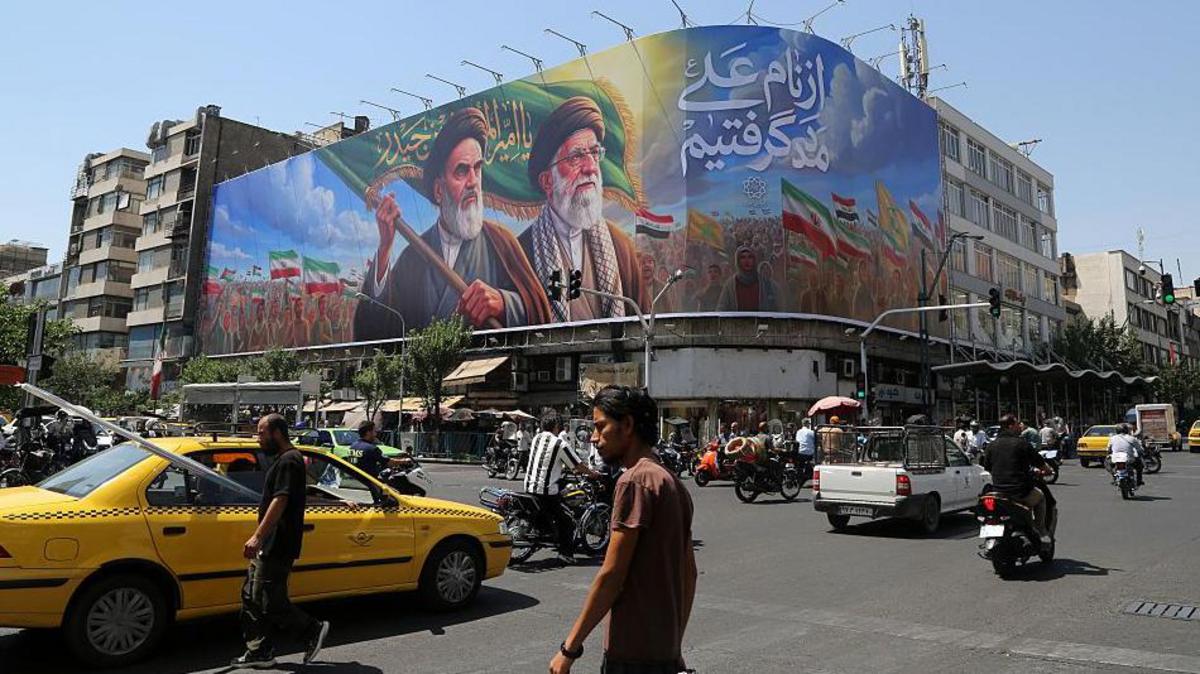
Trump says Iran War Deal Near, Announces Short TimelineThe deal would restore shipping through the Strait of Hormuz, easing the U.S. energy supply crunch and supporting global oil prices, while Iran gains diplomatic legitimacy.

NATO vows to defend after Russian drone hits RomaniaRomania secures a direct NATO defence commitment, while Russia faces diplomatic retaliation and heightened NATO vigilance, likely prompting higher defence spending and deployment of air‑defence assets on the eastern flank.

Russia pounds Kyiv in powerful drone and missile attackUkraine gains EU air‑defense aid after Russia's strike kills at least two and injures 77, while the U.S. easing of oil sanctions underscores the energy tradeoffs shaping the conflict, potentially funding more attacks and tightening Western energy markets.

Israel kills Hamas armed wing chief in GazaIsrael aims to weaken Hamas’s command structure, while Hamas loses a senior commander, potentially intensifying retaliatory attacks, raising civilian casualties, and complicating ceasefire negotiations for both sides.

China's Xi meets Pakistan PM Sharif as Iran war mediation drags onPakistan bolsters its diplomatic clout as a peace broker, gaining leverage in US‑Iran talks, while China expands its strategic foothold in the Middle East, potentially attracting future economic contracts.
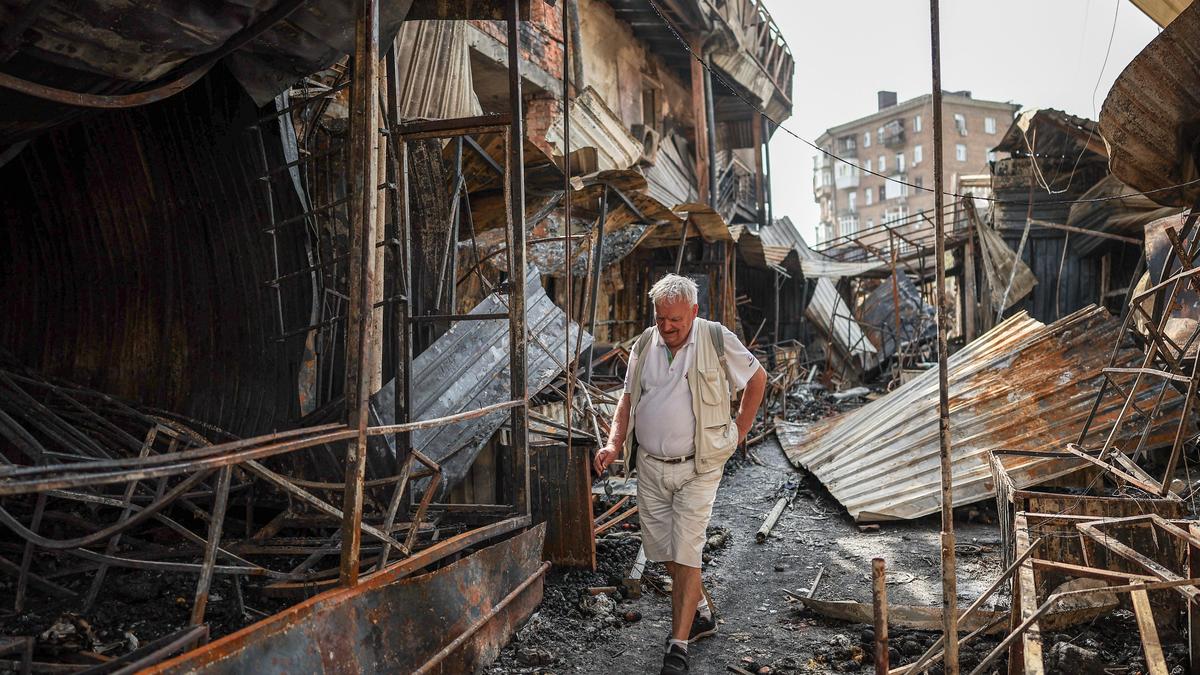
Russia threatens Kyiv strikes, urges foreigners to fleeForeign diplomats and aid workers in Kyiv must scramble to evacuate, disrupting embassy operations and humanitarian logistics while raising security costs for Ukraine and threatening foreign investment.
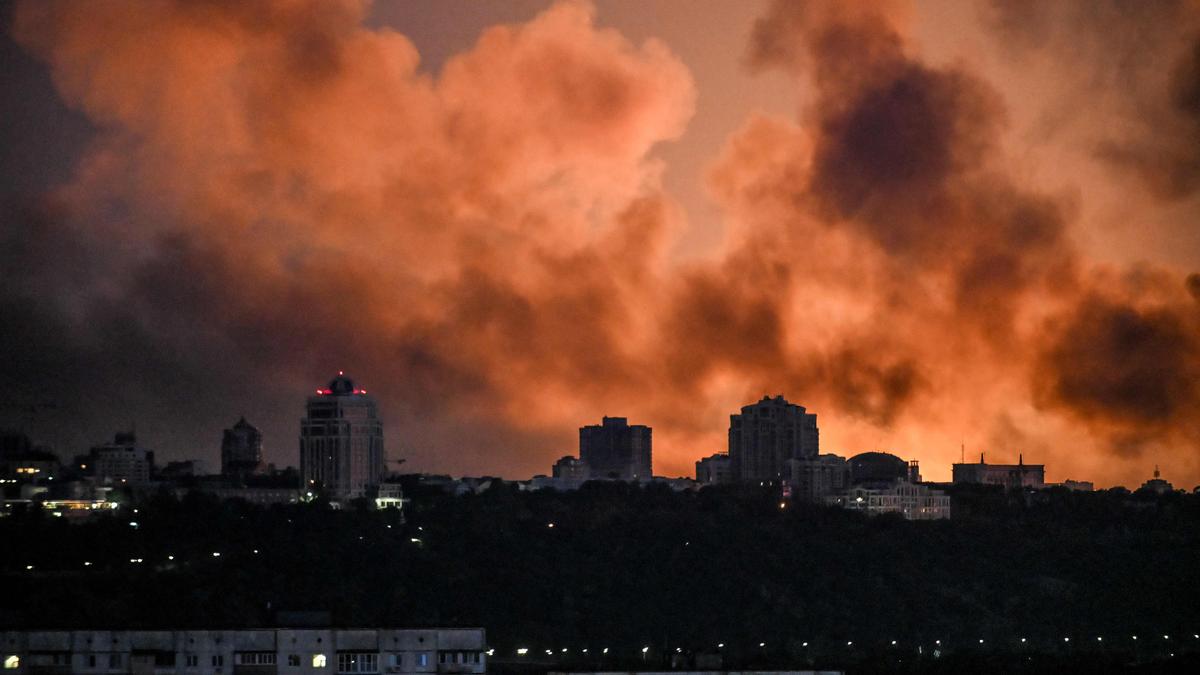
Kyiv Hit by Ballistic Missile Attack, Five WoundedKyiv’s residents face heightened danger as the missile strike forces shelters and strains emergency services, while the looming threat of further Russian attacks pressures Ukrainian authorities and their Western allies to tighten security and allocate resources.

White House: Iran Deal Takes Days, Trump Says No RushU.S. consumers and shipping firms lose as the postponed Iranian approval keeps the Hormuz blockade in place, leaving crude inventories 900 barrels below the weekly norm and sustaining higher fuel prices.
Why it matters: Oil producers gain as crude futures jump over $5 per barrel, while consumers and investors lose as stock futures dip about 1% and the prospect of intensified U.S. strikes threatens Iran’s energy infrastructure and global supply. The market reaction underscores how political rhetoric can quickly reshape commodity pricing and investor sentiment.
Ask SkimNews