White House: Iran Deal Approval Could Take Days — SkimNews

Get the Geopolitics newsletter
Daily geopolitics — wars, elections, sanctions, the diplomatic moves that move markets. Free.
- White House officials told reporters Sunday that Supreme Leader Mojtaba Khamenei has endorsed the 'broad template' of a deal but approval could take 'several days' due to Iran's 'slow and opaque' decision-making, adding: 'We are in a very good place — but there are ways in which the deal can be undermined.'
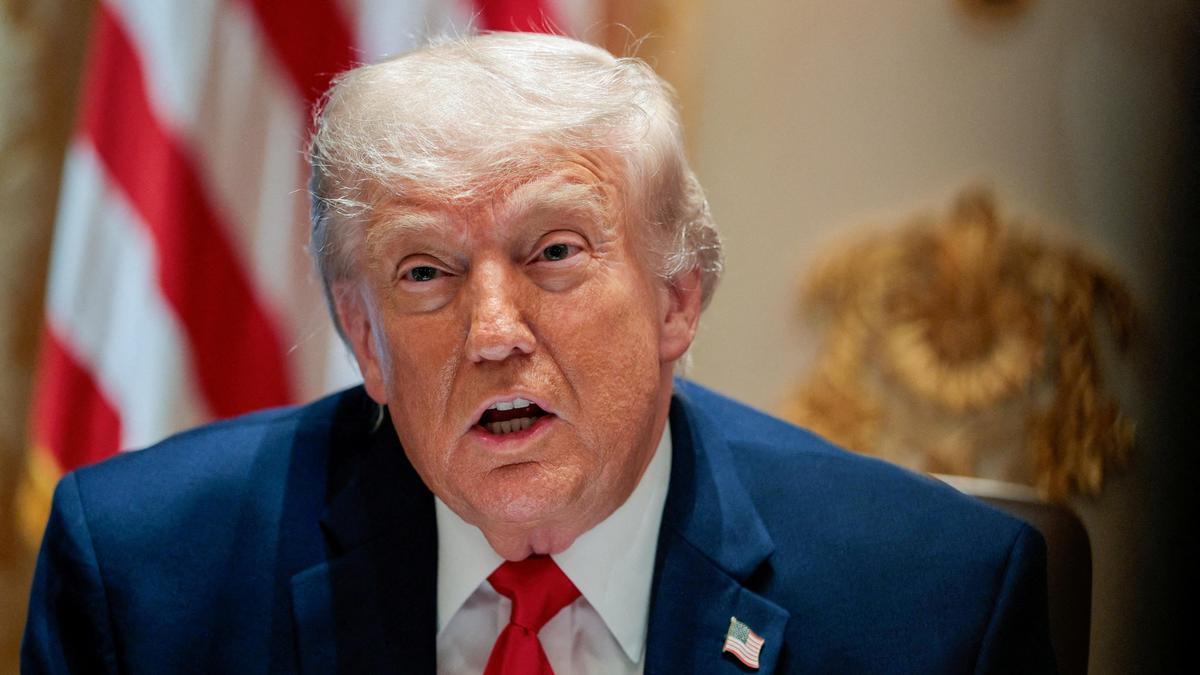
- Trump posted on Truth Social telling representatives 'not to rush into a deal' with Iran, saying 'both sides must take their time and get it right,' and reiterated the US naval blockade will 'remain in full force and effect until an agreement is reached, certified, and signed.'
- Iranian President Masoud Pezeshkian said Sunday Iran is 'ready to reassure the world that we are not seeking nuclear weapons' but won't compromise on 'honor and dignity,' while Iranian state media accused the US of 'creating obstacles' in the talks.
- The draft deal would open the Strait of Hormuz in exchange for lifting the US naval blockade, with Iran 'agreeing in principle to dispose' of its roughly 2,000 kilograms of enriched uranium; the Trump administration wants all of it covered, not just the 450 kg enriched to near-weapons-grade, on a 'No dust, no dollars' framework.
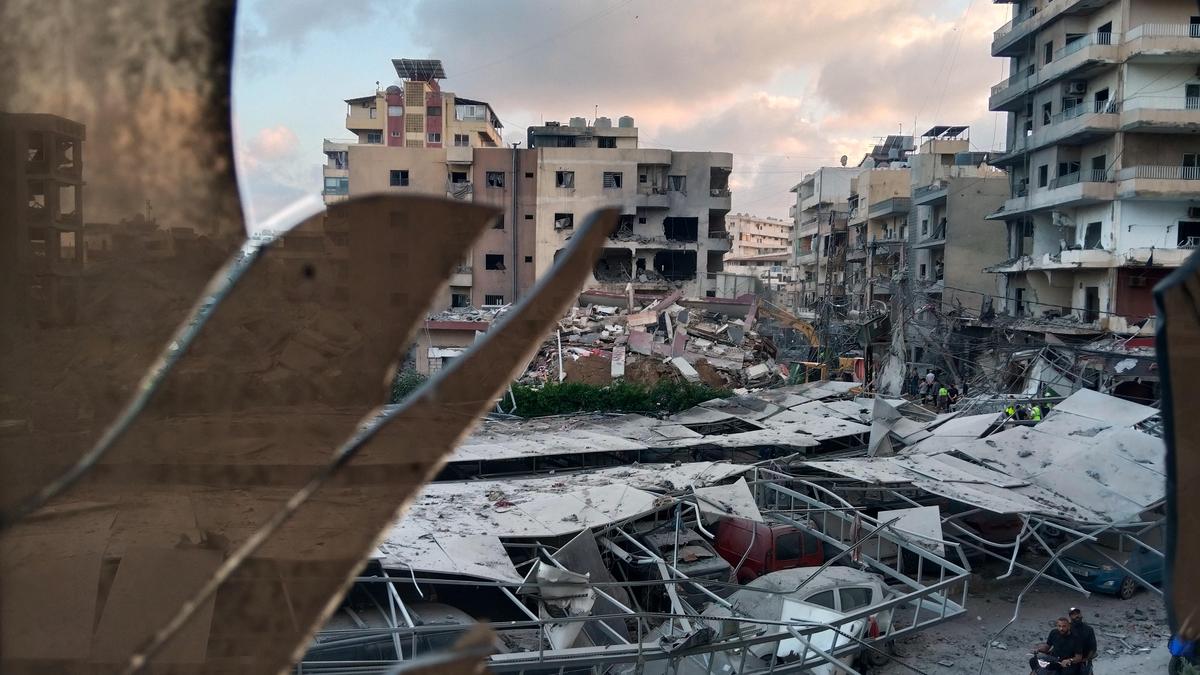
- Netanyahu has been closely coordinated with throughout the talks but is 'deeply concerned' and told Trump in a Saturday call that Israel will 'preserve its freedom of action against threats on all fronts, including Lebanon,' adding that any final deal must dismantle Iran's enrichment sites and remove enriched material from its territory.
- Some Republican senators and conservative commentators close to Trump have compared the emerging deal to Obama's 2015 nuclear agreement; Trump pushed back on Truth Social, calling the Obama deal 'one of the worst deals ever made' and his current negotiations 'THE EXACT OPPOSITE.'
Why it matters: A multi-day delay means the US naval blockade stays in force, keeping pressure on global oil supply routed through the Strait of Hormuz. Netanyahu's public insistence that Israel retain 'freedom of action' — including against Lebanon — and that any deal must dismantle enrichment sites signals a parallel military track that could complicate or outlast any agreement, while Khamenei's 'slow and opaque' approval process leaves the deal genuinely in limbo.
Ask SkimNews