Iran War Sends Oil Near $100 as US Gas Hits $4.14 Record — SkimNews
Get the Energy newsletter
Daily energy & climate — solar, EVs, oil, the policy fights and tech bets shaping the transition. Free.
- Iranian-backed Houthi strikes on Saudi Arabia's oil infrastructure pushed global crude to nearly $100/barrel — up 33% since the July pause in Middle East hostilities — just hours after Trump predicted on Truth Social that prices would fall once the U.S. wins its war with Iran.
- Brown University's Iran War Energy Cost Tracker calculates Americans have paid more than $101 billion in higher fuel costs since the Feb. 28 conflict began, equivalent to more than $771 per U.S. household.
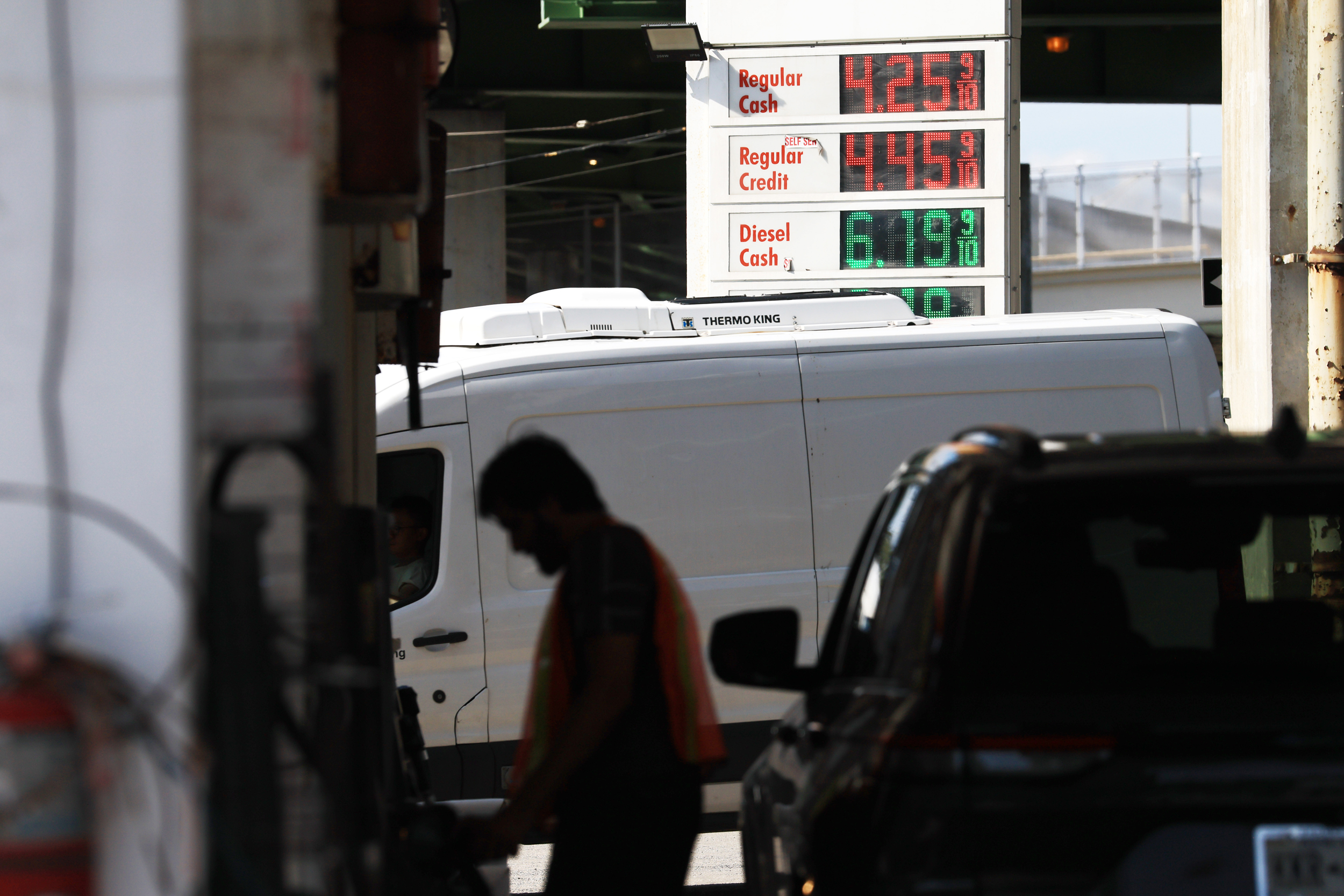
- The average national gasoline price hit $4.14/gallon heading into Labor Day weekend, on track for a Labor Day record per AAA, despite the Trump administration's environmental regulatory rollbacks it claimed would lower pump costs.
- Energy Secretary Chris Wright defended the administration's "lean in on maximum production" approach on CBS's Face the Nation, while a new analysis showed China cut transportation oil consumption 16% from April through June via rapid EV adoption — the demand-side insulation strategy the U.S. retreat on climate policy is abandoning.
- The EPA's Aug. 20 rollback of summer smog-related fuel requirements to allow a faster-evaporating ethanol blend drew a "ludicrous" verdict from Dan Becker of the Center for Biological Diversity, who noted ethanol delivers fewer miles per gallon, offsetting any per-gallon savings.
- The U.S. military struck three Iranian oil tankers Saturday in retaliation for missile attacks on Navy ships, with Defense Secretary Pete Hegseth calling them "defenseless" on social media; the next morning, Houthi rebels launched their offensive on Saudi facilities.
- Venezuelan oil production is up 25% to 1.25 million barrels/day since Maduro's January ouster in a U.S. military operation, with half going to U.S. Gulf Coast refineries — though analysts told Inside Climate News any production growth from last week's deal will be gradual amid political uncertainty.
Why it matters: The Trump administration's own war with Iran — not its touted regulatory rollbacks or Venezuela deal — is now the primary driver of the 33% oil price spike since July, adding $101 billion to American fuel costs and pushing gas to a Labor Day record $4.14/gallon. China's 16% drop in transportation oil use via EVs highlights the demand-side insulation the U.S. is rejecting.
Ask SkimNews