ASEAN-Russia Summit Is Hedging, Not Alignment — SkimNews
Get the Geopolitics newsletter
Daily geopolitics — wars, elections, sanctions, the diplomatic moves that move markets. Free.
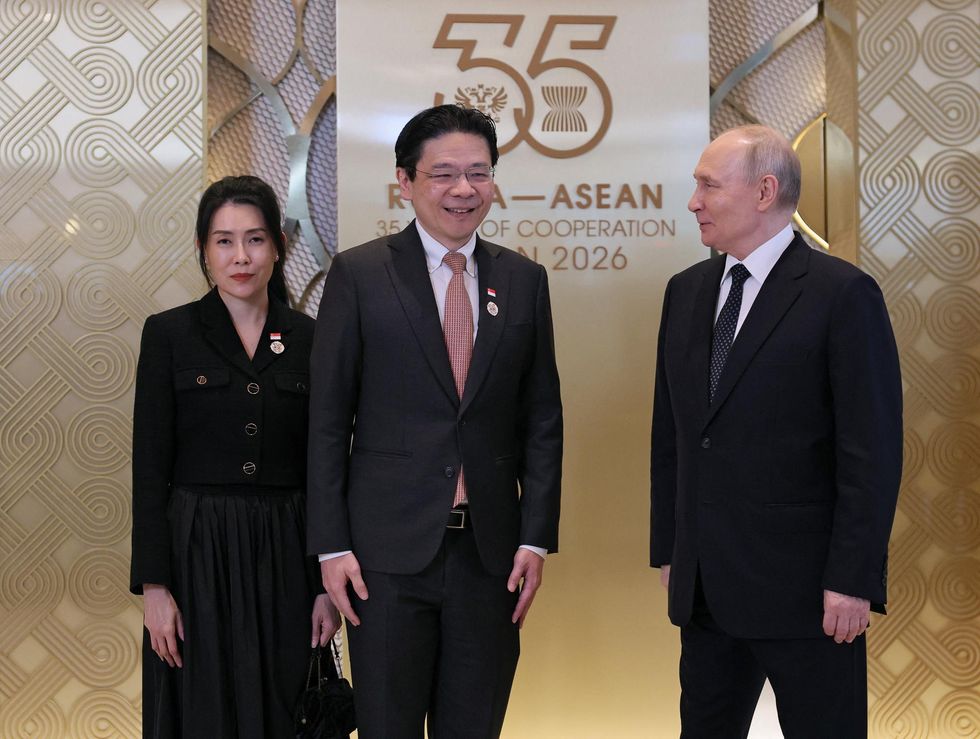
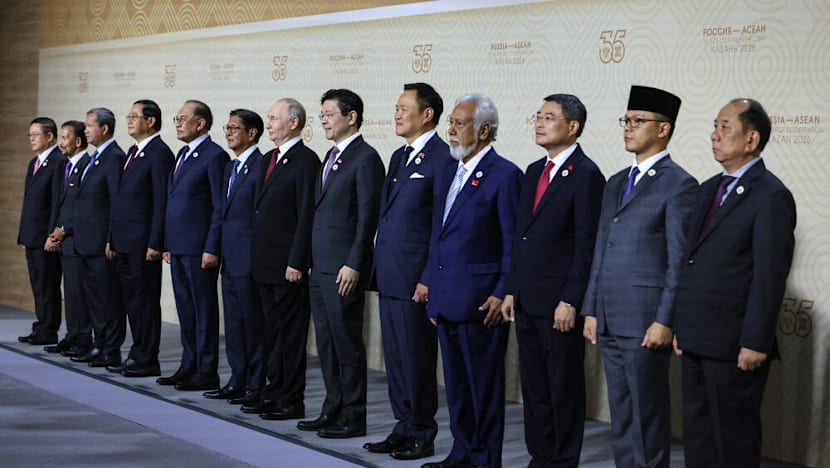
- Nine ASEAN heads of state or government gathered with Putin in Kazan on Jun 17-18 — only Indonesia and Myanmar were represented below leader level — marking 35 years of ASEAN-Russia relations and a sharp contrast with the G7's pressure-oriented approach.
- The State of Southeast Asia 2026 Survey ranked the Russia-Ukraine war seventh among respondents' geopolitical concerns (behind US aggression in the South China Sea) and placed Russia ninth among ASEAN's 11 Dialogue Partners in strategic relevance.
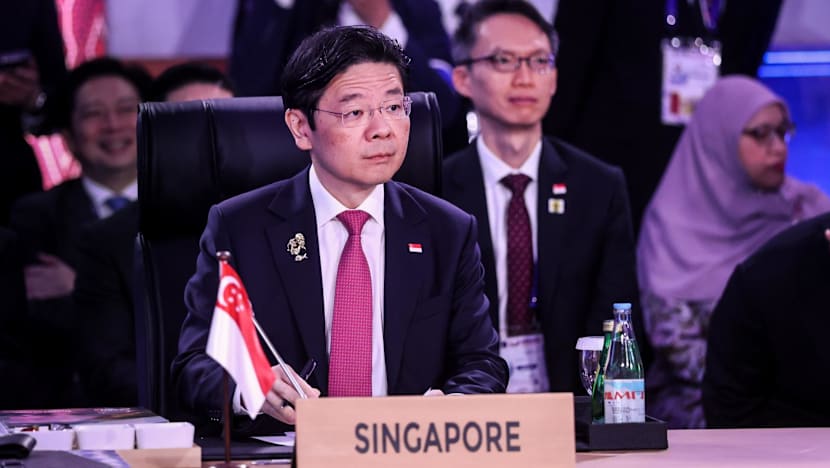
- Singapore PM Lawrence Wong's visit was the first by a Singapore leader to Russia since Singapore imposed sanctions after the 2022 invasion, though those measures were narrowly targeted and not intended to sever diplomatic or regional channels.
- Leaders adopted the Kazan Declaration, a Comprehensive Plan of Action for 2026-2030, and joint statements on energy and cultural cooperation, with energy — oil, gas, and civilian nuclear — emerging as the most tangible area of cooperation.
- Russia's trade and investment footprint in Southeast Asia remains modest, and sanctions, restricted banking, insurance, shipping costs, and secondary sanctions risk make even promising deals harder to execute.
- Bilateral ties may matter more than the summit: Vietnam is deepening nuclear cooperation with Moscow, while Indonesia, Malaysia, Thailand, and the Philippines can pursue energy, food security, tourism, and technology deals outside the multilateral framework.
Why it matters: ASEAN's high-level engagement with Putin — while the G7 leans on Russia over Ukraine — shows Southeast Asian capitals are deliberately maintaining independent diplomatic channels rather than letting US-China-Russia rivalry dictate their partnerships, with energy diversification emerging as the summit's most concrete deliverable.
Ask SkimNews