Putin Hosts ASEAN at Kazan, Deepens Energy Cooperation — SkimNews
Get the Geopolitics newsletter
Daily geopolitics — wars, elections, sanctions, the diplomatic moves that move markets. Free.
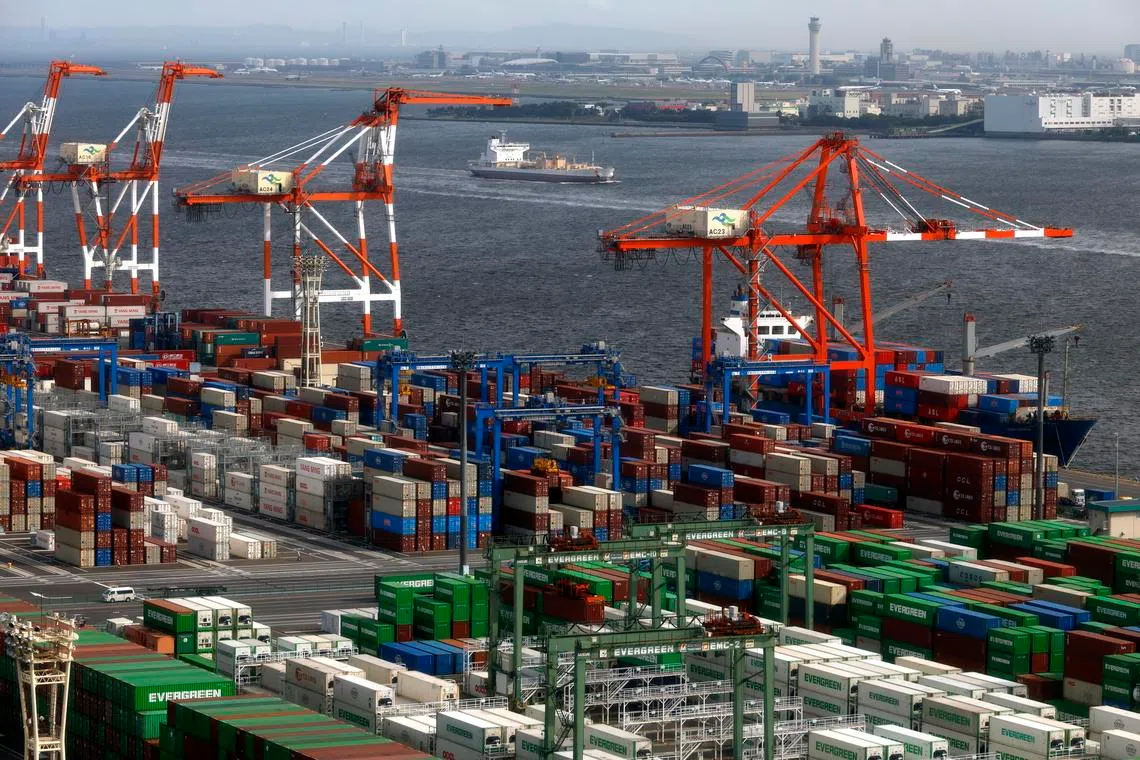
- ASEAN-Russia trade grew from roughly $17-18 billion in 2015 to approximately $30 billion in 2025, a 70% increase driven by Moscow's post-2022 pivot toward Asian markets following Western sanctions.
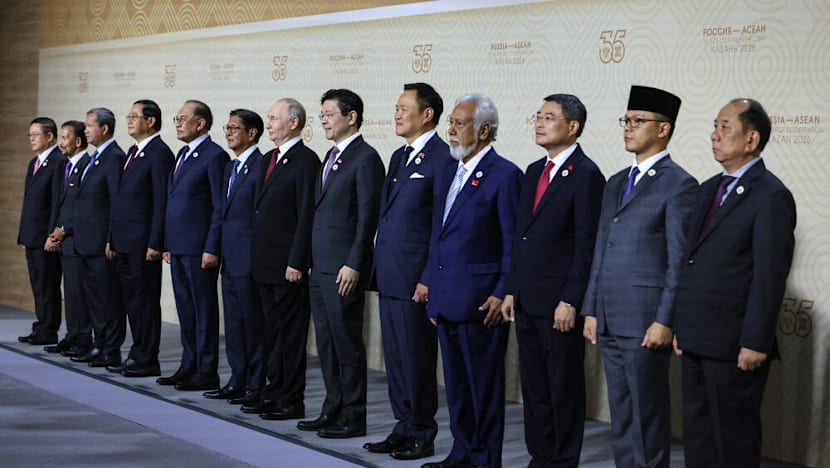
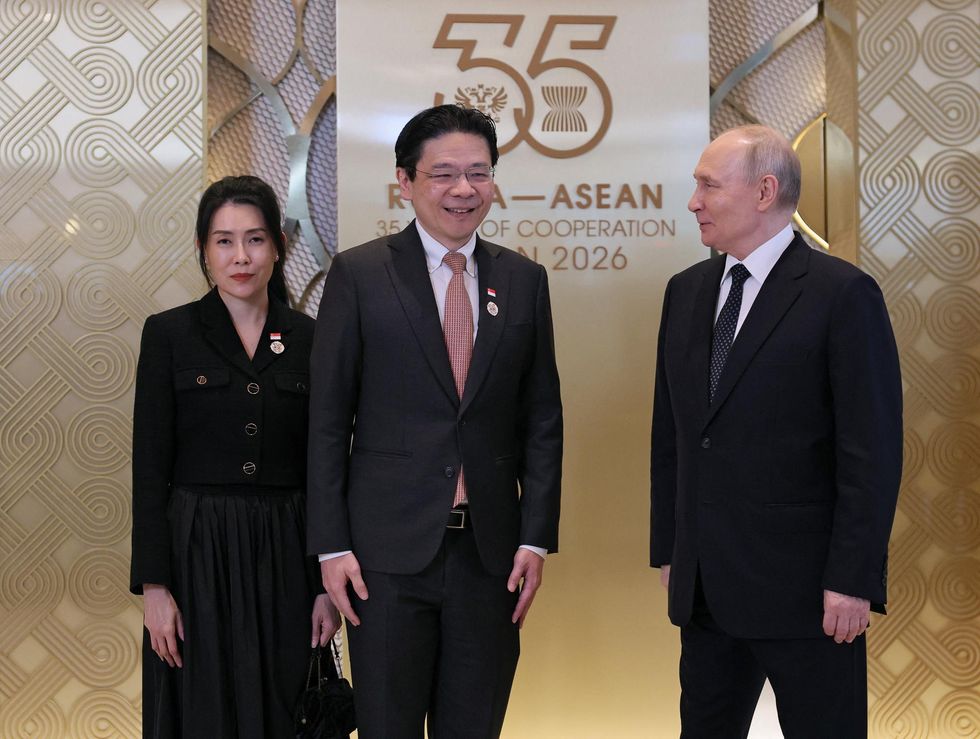
- ASEAN leaders from Brunei, Malaysia, the Philippines, Singapore, and Vietnam met Putin in Kazan to mark 35 years of relations, signing a joint statement on a "just multipolar world" and a Joint Statement on Energy Cooperation covering LNG, natural gas, renewables, hydrogen, and nuclear power.
- The Philippines declared a national energy emergency after the U.S.-Israel war against Iran closed the Strait of Hormuz — the first and only nation to do so — and used its ASEAN chair position to push a regional oil-sharing framework.
- Putin ordered the release and repatriation of 24 Filipinos detained in Siberia for nine months after Marcos raised the issue at their bilateral meeting, a tangible concession that contrasts with typical U.S. transactional engagement.
- The Trump administration quietly allowed all sanctions waivers on Russian oil to expire last week, after India received a dedicated waiver and several ASEAN states — including the Philippines, Indonesia, and potentially Brunei — were likely beneficiaries of broader waivers during the energy crisis.
- Russia's commercial footprint in Southeast Asia remains modest compared to China (over $1 trillion in 2025 trade) and the United States (around $580 billion), with ASEAN accounting for only a small share of Russian crude exports as China and India still purchase roughly four-fifths.
Why it matters: By triggering an energy crisis through the Iran war while offering limited relief to vulnerable ASEAN states and then reimposing Russian oil sanctions, the U.S. handed Moscow openings it could not have created on its own. No ASEAN member is likely to violate American sanctions, but non-sanctioned products like fertilizer and expanded energy cooperation frameworks give the Kremlin incremental leverage — while Putin's goodwill gesture to Manila demonstrates leader-to-leader diplomacy that outperforms transactional U.S. engagement in a region that values it.
Ask SkimNews