Armenia's June 7 Vote Tests Its Pivot Away From Russia — SkimNews

Get the Geopolitics newsletter
Daily geopolitics — wars, elections, sanctions, the diplomatic moves that move markets. Free.
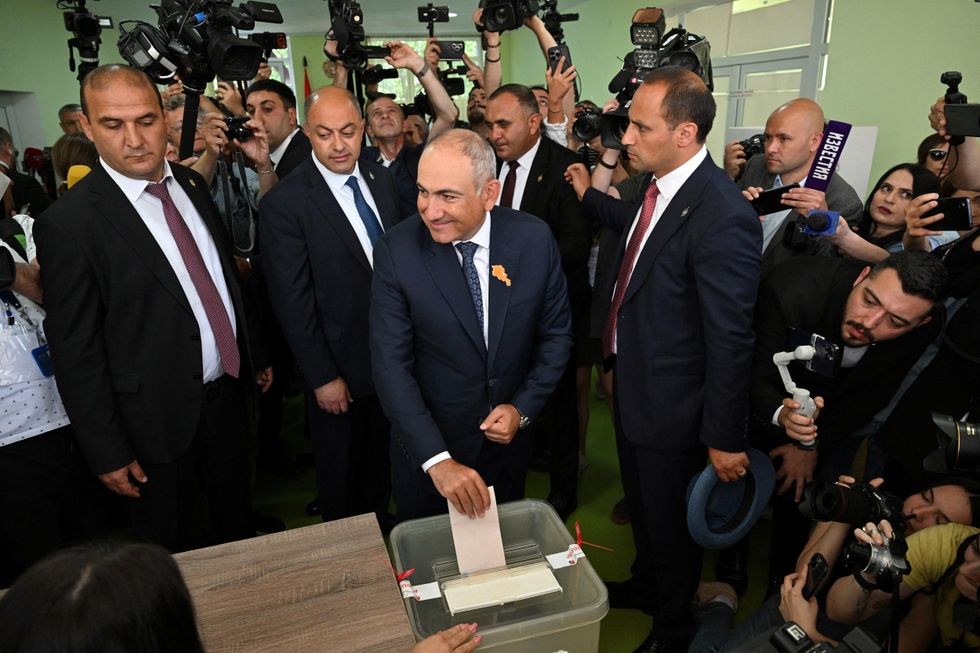
- Armenia's June 7 parliamentary election will test whether the country can loosen its dependence on Russia and reorient toward the West, with the two issues most likely to define the vote being security and economic prosperity.
- Vice President JD Vance and Prime Minister Nikol Pashinyan signed a nuclear cooperation agreement in Yerevan on February 9, 2026, a milestone in the deepening U.S.-Armenia relationship.
- Secretary of State Marco Rubio visited Yerevan the week before the election to continue deepening ties, following a U.S.-brokered transit and trade corridor agreement between Armenia and Azerbaijan.
- Russia is targeting Armenian exports and threatening to withhold its own energy exports in the run-up to the vote, per the article, as Moscow fights to retain regional influence.
- Pashinyan has openly defied the Kremlin, signaling Armenia's future lies closer to Europe than to Russia—a posture the article notes would have been politically unthinkable only a few years ago.
- Younger Armenian voters remain politically undecided or show openness toward Moscow-aligned candidates, shaped by insecurity, war fatigue, and economic anxiety rather than ideology, according to a McCain Institute delegation's April visit.
- The collapse of Russia's security role during the Nagorno-Karabakh crisis fundamentally altered Armenian public perceptions, weakening confidence in Moscow as Armenia's indispensable protector.
Why it matters: Armenia sits at the crossroads of a South Caucasus where the U.S. has invested in a nuclear cooperation deal, a brokered transit corridor, and a fragile Armenia-Azerbaijan peace framework. The article warns that disengagement by the U.S. and Europe would strengthen pro-Kremlin forces already exploiting export and energy leverage ahead of the June 7 vote—potentially unraveling years of diplomatic groundwork in a region Russia is fighting to keep in its orbit.
Ask SkimNews