The land’s ability to store carbon has bounced back after two bad years — SkimNews

Get the Energy newsletter
Daily energy & climate — solar, EVs, oil, the policy fights and tech bets shaping the transition. Free.
- Philippe Ciais at the Climate and Environment Sciences Laboratory in France led the analysis estimating the land sink absorbed 2.36 gigatonnes of carbon in 2025 — 0.71 gigatonnes above the 2015-2022 average.
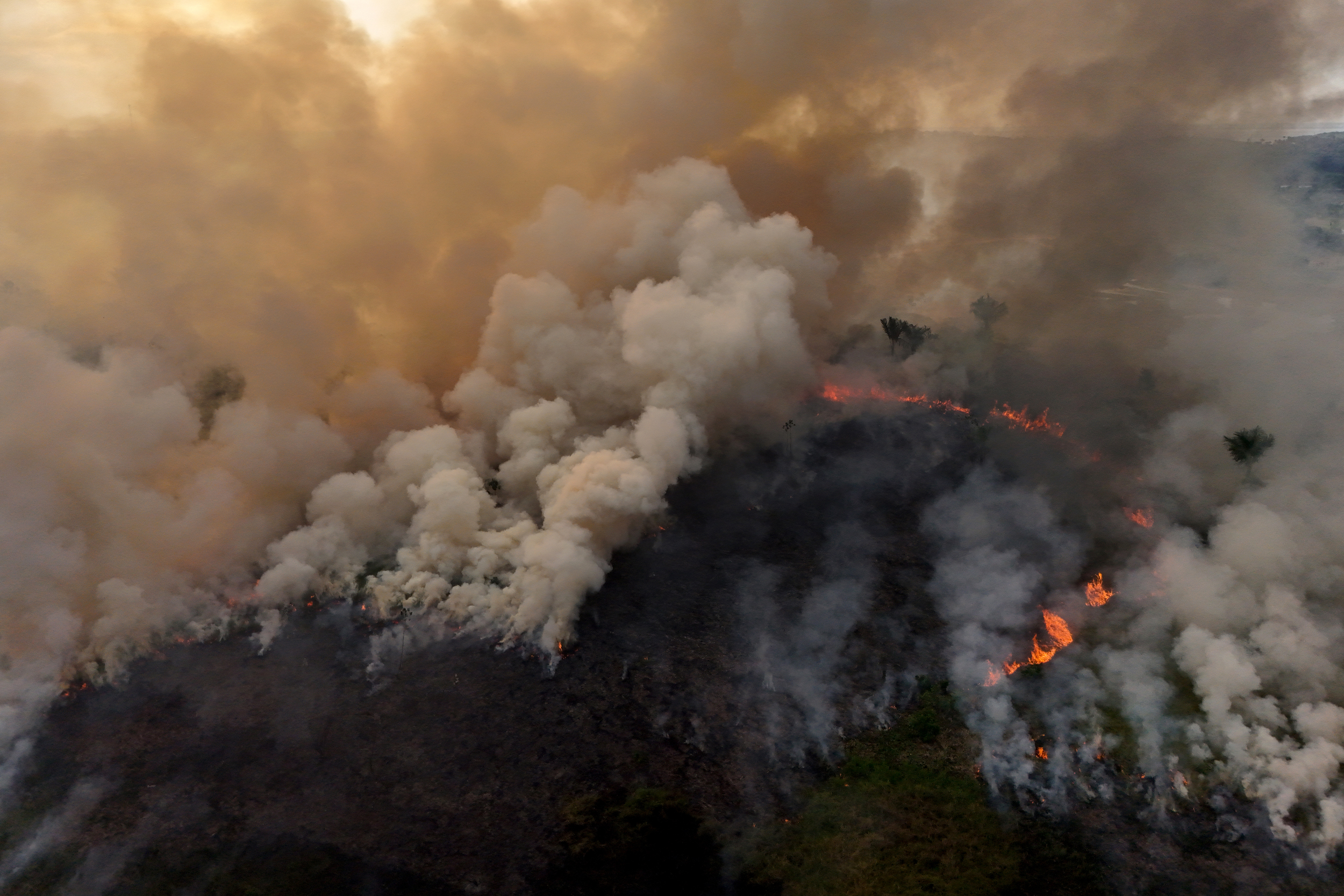
- The 2023–2024 collapse was driven by El Niño conditions and Amazon fires, causing what Ciais called "almost cancellation of the global land sink" and record jumps in atmospheric CO2 in two successive years.
- Tropical forests in Africa and the Amazon drove the 2025 recovery as climate normalized and plants "recovered their carbon uptake capacity," Ciais said.
- Natural ocean and land sinks combined remove over half of CO2 emitted by human activities, but researchers expect the land biosphere to shift from a net sink to a net source within several decades unless emissions taper off.
- A super El Niño building in the Pacific is forecast to become the most intense in history, bringing extreme heat and drought to the Amazon and likely triggering another sharp slump in carbon uptake next year.
- The global land sink is already 25% smaller than it would be without climate change effects and natural variability, and repeated weather shocks may be weakening its long-term capacity to store carbon.
Why it matters: With the land sink already 25% smaller than it would be without climate change effects and an intensifying El Niño threatening to erase the 2025 rebound, the natural buffer that removes over half of human CO2 emissions is more precarious than the one-year recovery suggests — and scientists expect the land to flip from sink to source within decades if emissions don't taper.
Ask SkimNews