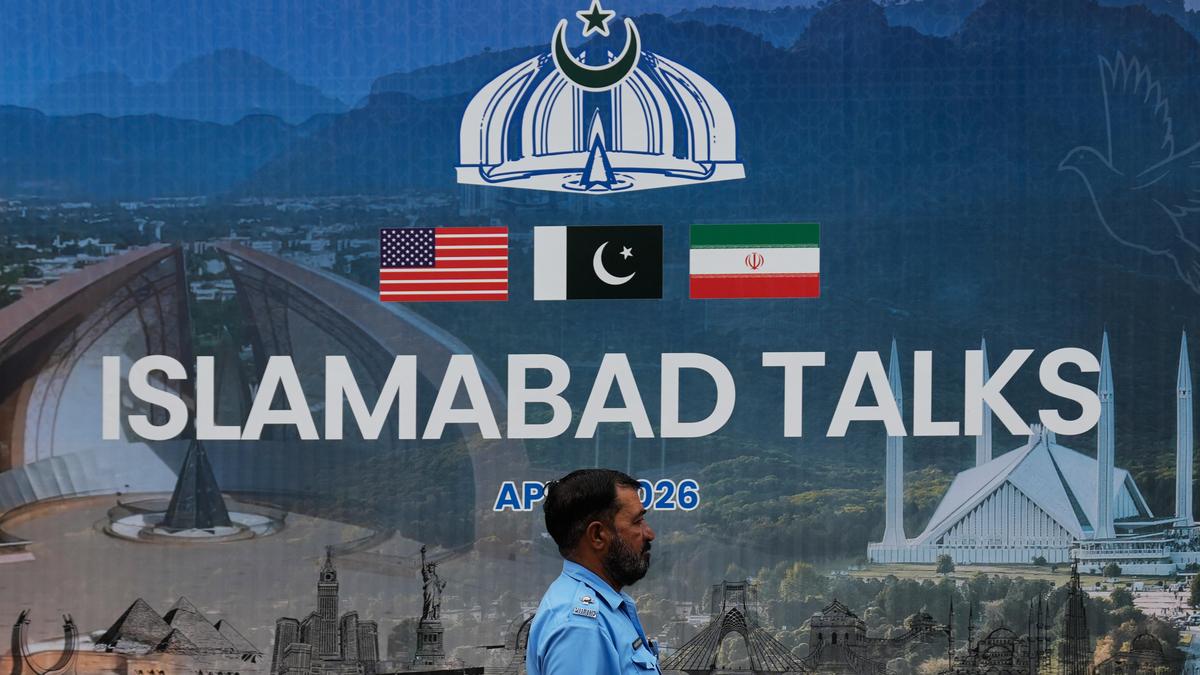
Pezeshkian Heads to Pakistan for Iran-US Peace Talks

Get the Geopolitics newsletter
Daily geopolitics — wars, elections, sanctions, the diplomatic moves that move markets. Free.
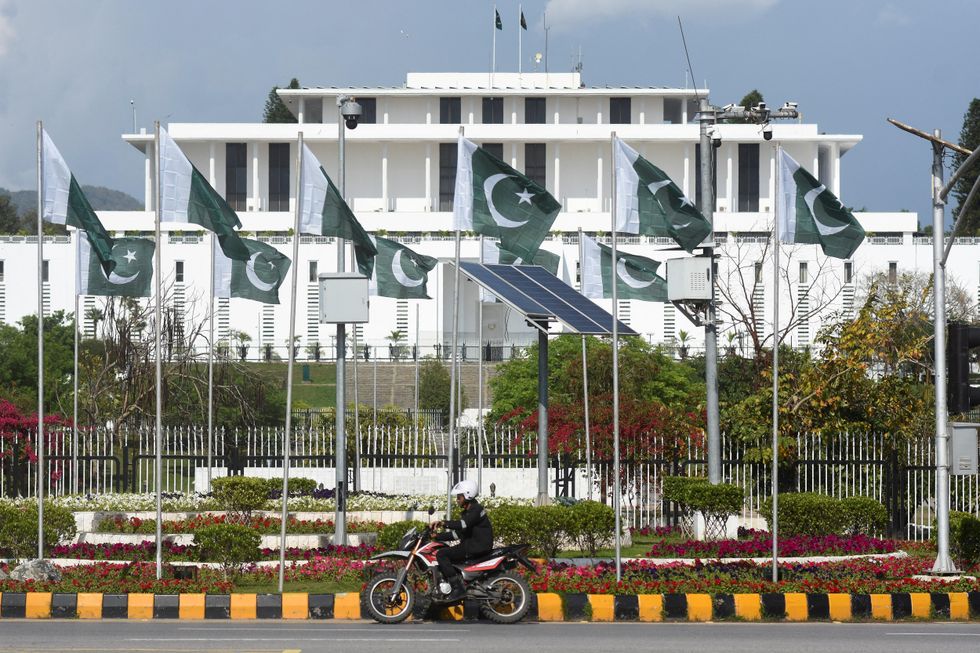
- Masoud Pezeshkian arrived in Islamabad on Tuesday for his first visit since the US-Israeli attack on Iran began Feb. 28, meeting President Asif Ali Zardari and Prime Minister Shehbaz Sharif to advance a 60-day diplomatic process for a permanent end to the war.
- The Pakistan trip follows Monday's high-level talks in Switzerland led by JD Vance and Iran's parliamentary speaker Mohammad Bagher Qalibaf, where the two sides agreed to create a "de-confliction cell" for Lebanon and discussed mechanisms to keep the Strait of Hormuz open for oil transit.
- The United States waived sanctions on Iran for 60 days from Monday under the nascent peace deal, while technical teams established working groups on sanctions relief, nuclear issues, reconstruction, and monitoring, plus contact mechanisms over Hormuz shipping and Lebanon fighting.
- A sharp public discrepancy emerged over IAEA access: Vance claimed negotiators won agreement for the watchdog to visit Iranian enrichment sites bombed by the US last year, but Iran's Foreign Ministry spokesperson Esmail Baghaei said no IAEA visits have been scheduled.
- Another clash surfaced over unfrozen Iranian assets: Vance said the money would buy American soy, corn, and wheat under US and Qatar approval, prompting Iran's ambassador Ali Bahreini to declare "Iran is the only country who decides what to do with those assets," and Baghaei to mock the plan as "enriching American farmers."
- Israeli soldiers opened fire in southern Lebanon's Nabatiyeh al-Fawqa, killing two men — the first fatalities since a Saturday ceasefire — while Benjamin Netanyahu asserted his military retains "full freedom of action" despite Israel not being a signatory to the US-Iran deal, a stance Iran has said would violate a core condition of any comprehensive agreement.
Why it matters: A 60-day clock for a permanent peace deal is now running, but day-one contradictions between Washington and Tehran — on IAEA access, who controls unfrozen billions, and whether Lebanon's ceasefire holds — give the diplomatic window narrow room to survive, especially with Netanyahu's stated freedom to keep striking Lebanon threatening one of the deal's explicit conditions.
Ask SkimNews