US‑Iran Ceasefire Fails to Reopen Strait of Hormuz — SkimNews
Get the Geopolitics newsletter
Daily geopolitics — wars, elections, sanctions, the diplomatic moves that move markets. Free.
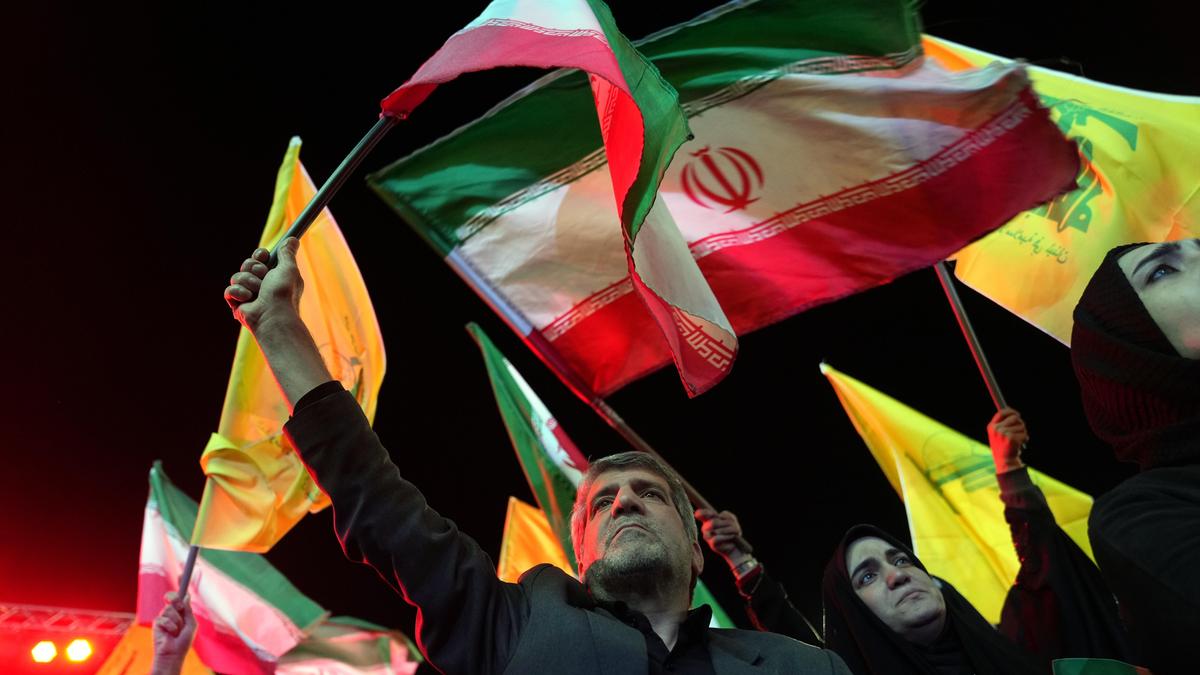
- U.S. and Iran announced a Pakistani‑brokered ceasefire on the night of 7‑8 April, after nearly six weeks of war, sparking hopes that the Strait of Hormuz might be reopened.
- Israel continued attacks on Lebanon and Iran after the ceasefire, while Iran cancelled previously approved oil‑tanker transits through the strait, keeping shipping down more than 90 % on 8 April.
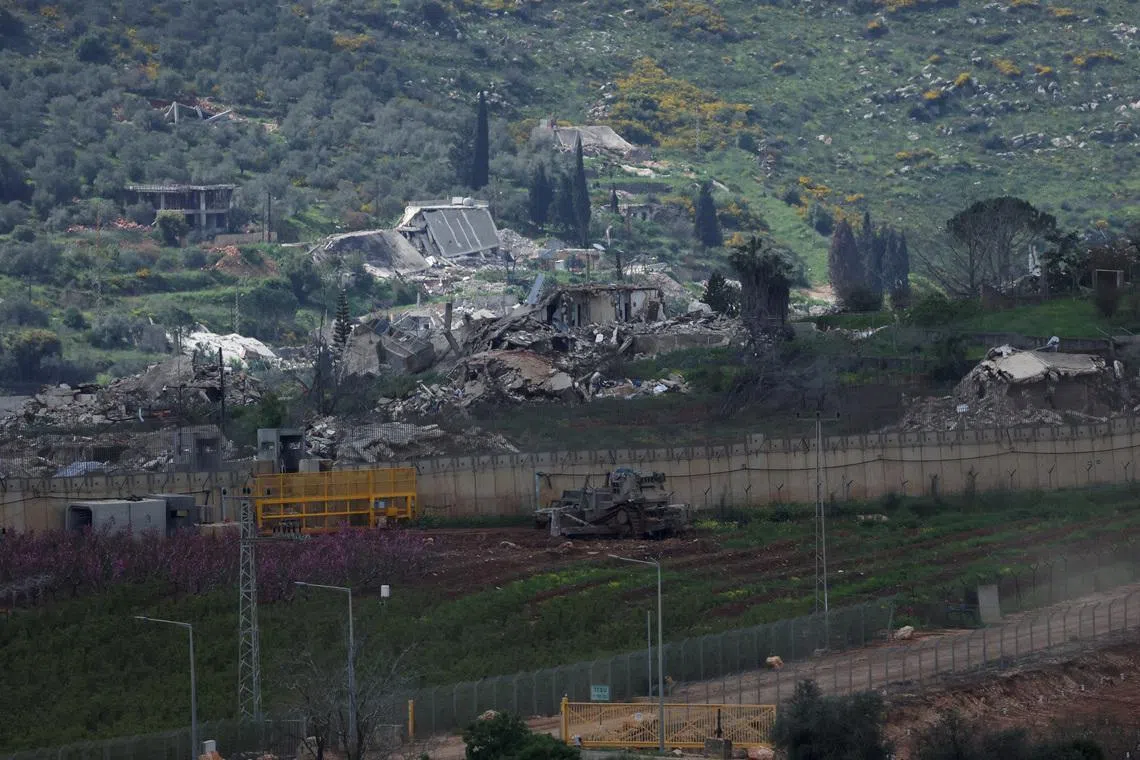
- Lebanon became a point of contention: Israel and the U.S. said the ceasefire excluded Lebanon, whereas Iran and Pakistan insisted it did, prompting Israeli talks with the Lebanese government about disarming Hezbollah.
- U.S. and Iranian negotiators are scheduled to meet in Pakistan on 10 April, each side presenting maximalist demands—Washington wants Iran to halt enrichment and surrender HEU, while Tehran seeks an end to the regional conflict, reparations, and continued control of the strait.
- Iran has fired on at least 23 vessels and may have placed sea mines, using the strait as leverage that threatens roughly a quarter of global oil trade, one‑fifth of natural gas, one‑third of fertilizer, half of sulfur, and a third of helium.
- Shipping through the strait has collapsed to a trickle, leaving over 2,000 vessels and about 20,000 mariners stranded, and prompting proposals ranging from an international flotilla to limited‑goods diplomatic bargains, none of which have progressed.
- Economic impact: The near‑complete blockage could raise global transport costs, spike food prices, and disrupt manufacturing that depends on fertilizer, sulfur, and helium, affecting both Gulf exporters and worldwide markets.
Why it matters: The strait’s near‑closure cuts off a quarter of global oil shipments and critical fertilizers, sulfur, and helium, depriving Gulf exporters of revenue and driving up worldwide transport and food costs, while the warring parties gamble on leverage that could deepen the economic shock.
Ask SkimNews