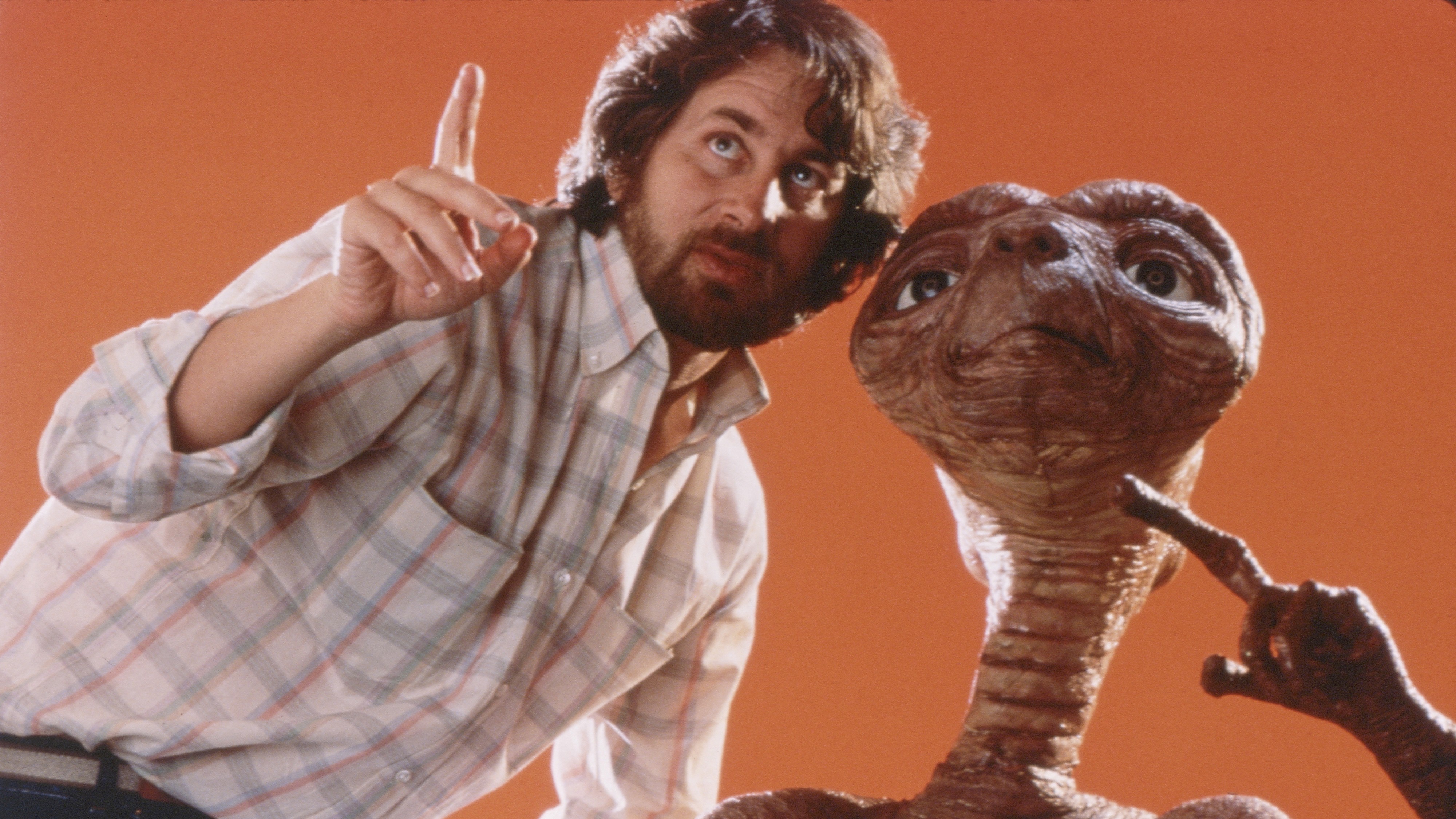
Spielberg's Disclosure Day: A Giddy Alien Conspiracy — SkimNews
Get the Culture newsletter
Daily culture — film, music, books, the trends and ideas worth your attention. Free.
- Disclosure Day is Steven Spielberg's space-alien conspiracy adventure, scripted by David Koepp, that takes two of the world's best-known hoaxes — Roswell and crop circles — and treats them with "judicious deadpan respect"
- Emily Blunt plays Margaret Fairchild, a Kansas City TV weather presenter who, on a tense news day with nuclear powers facing off in North Korea, suddenly speaks Russian and Korean without knowing it, reads minds, and emits dolphin-like clicking noises on camera
- Josh O'Connor stars as Dr. Daniel Kellner, a cybersecurity analyst turned whistleblower at Wardex, a secretive corporation that has advised successive US governments for decades on containing incursions from non-Earthling parties
- Colin Firth plays clench-jawed Wardex supremo Noah Scanlon, Colman Domingo is fellow whistleblower Hugo Wakefield, and Eve Hewson is Daniel's girlfriend Jane, a former novitiate nun, with Margaret and Daniel's destinies converging in a "blissful yet terrifying epiphany"
- The film asks viewers to imagine public outrage that captured aliens have been vivisected, and features Spielberg appearing in the trailer hand-on-heart declaring he believes in the story's contents
- The reviewer calls the film "never anything other than entertaining and grade-A fun" and praises Blunt's "career-topper" turn, but flags a "minor problem": "the shark or alien is scariest — in fact, exists at its fullest — when it is unseen"
Why it matters: Blunt's "career-topper" turn as a psychic TV anchor powers Spielberg's return to alien-conspiracy territory, trading Close Encounters-style menace for heartfelt idealism about empathy and disclosure. The reviewer calls it rare "grade-A fun" but flags a craft risk: the alien is "scariest when unseen," a critique that recurs across Spielberg's career and lands on full display here. For a 78-year-old director, the film's giddy, anti-cynicism register is itself the headline — and the Guardian's slightly pointed aside that humans who claim to prize empathy have a long imperial history sits awkwardly inside that idealism.
Ask SkimNews