Humanoid Robots Race to Become Home Helpers — SkimNews

Get the Tech newsletter
Daily tech — startups, AI labs, chips, the launches that shape the next decade. Free.
- Boston Dynamics unveiled a fully-electric Atlas that abandons hydraulics for a lighter, more compact frame capable of movements exceeding human flexibility, after Hyundai acquired the company in 2020.
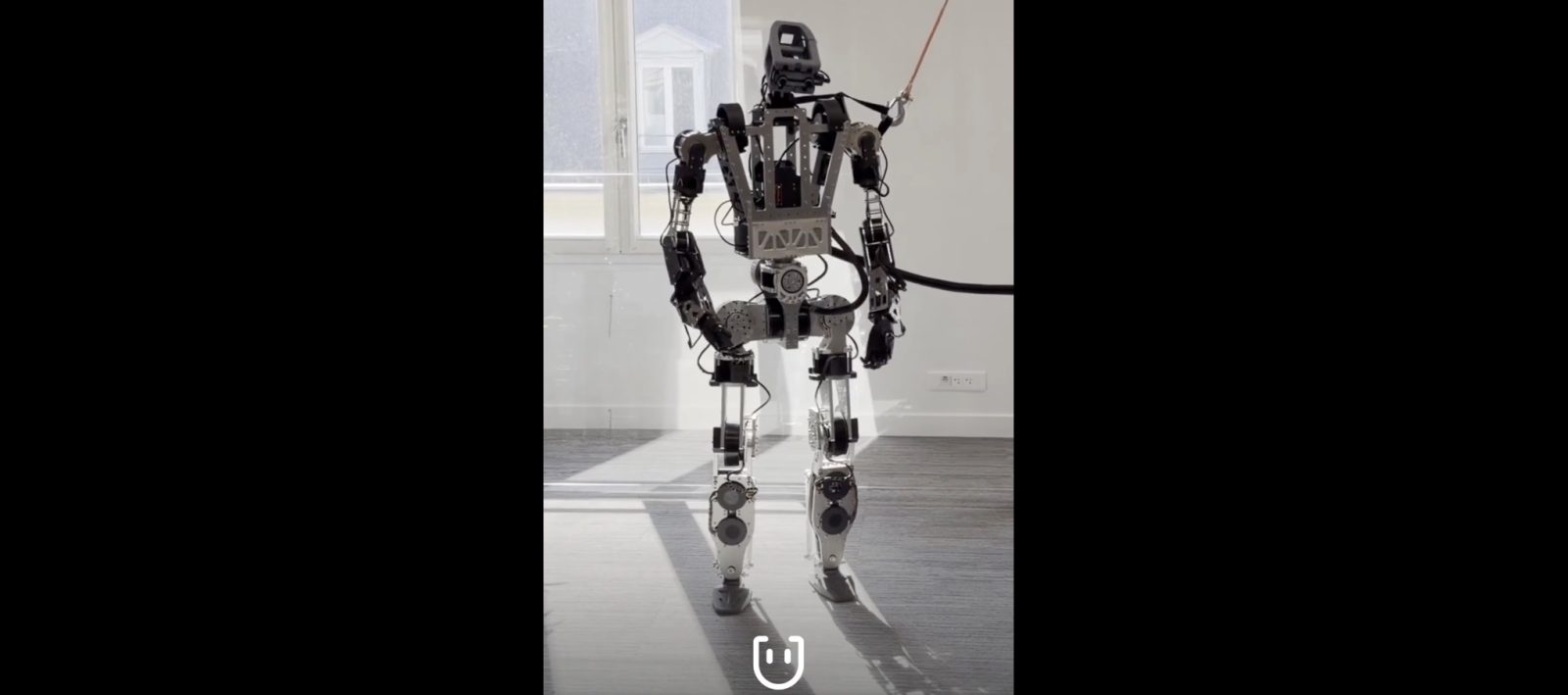
- Apptronik developed Apollo from eight years of humanoid work that included NASA's Valkyrie, designing it for manufacturability with commercial release planned after a series of pilot projects.
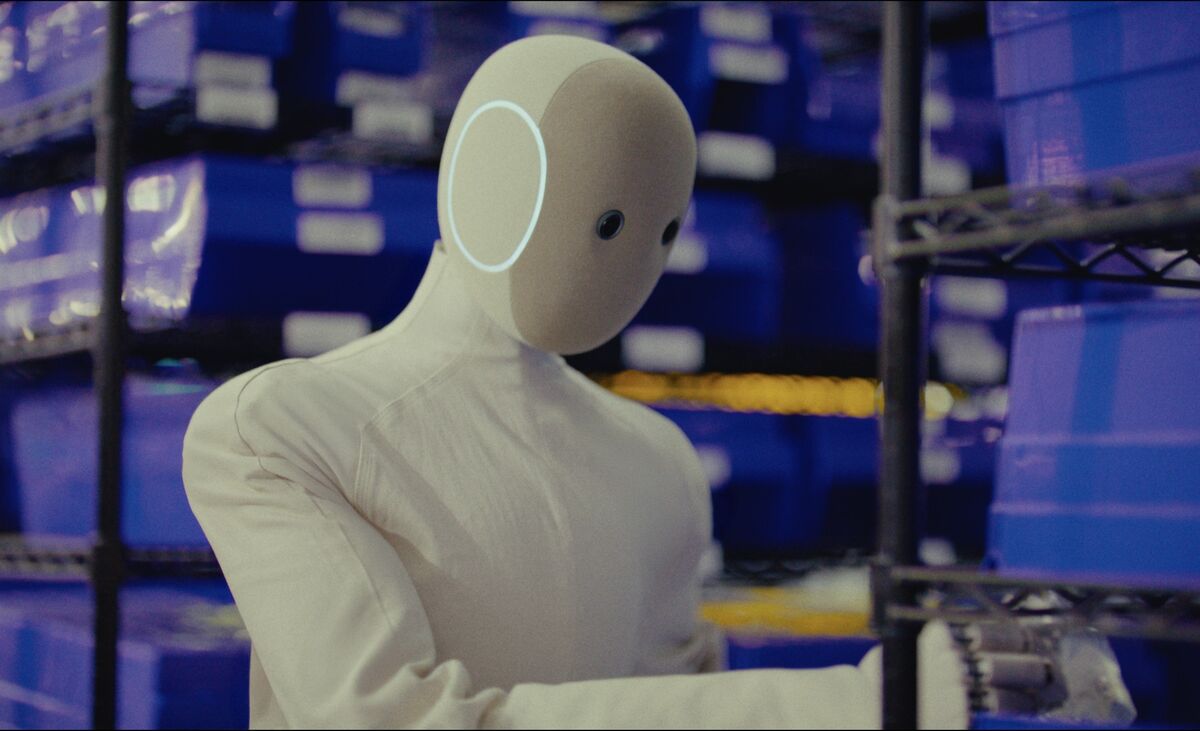
- 1X Technologies' tendon-based Neo weighs 30 kg with a 20 kg carrying capacity and is backed by OpenAI, with the stated goal of becoming "an all-purpose android assistant to your daily life."
- Tesla is leveraging its battery, sensing, computing, and AI expertise to build Optimus, with its own car factories identified as a potential first customer.
- Agility Robotics' Digit features legs described as resembling an ostrich's rather than a human's, optimized for efficiency and robustness of legged locomotion.
- Figure, founded in 2022, plans to scale from real-world pilot demos to "integrate humanoids into the labor force," drawing on a team with heritage in the DARPA Robotics Challenge.
- Fourier Intelligence, based in Singapore, is already mass-producing its GR-1 and GR-2 humanoids, targeting medical and rehabilitation applications.
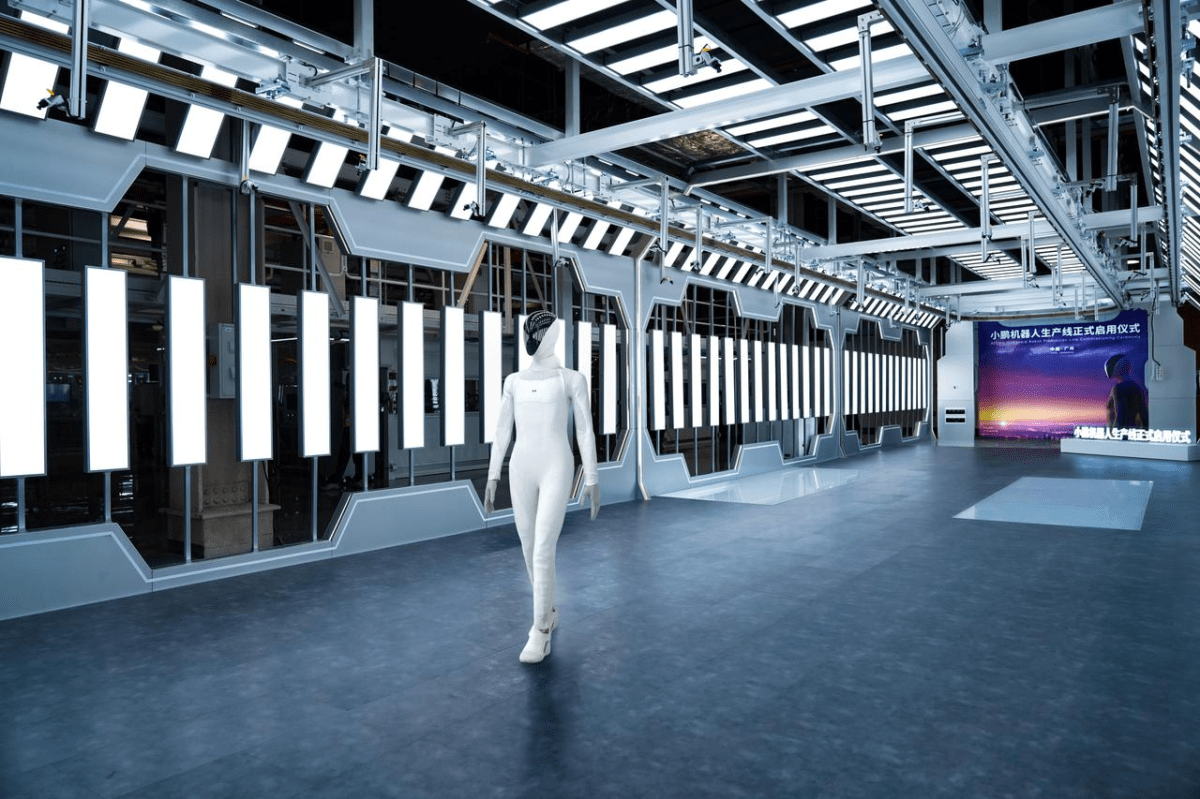
Why it matters: With at least eight humanoid makers running pilots toward the first consumer home robot — Boston Dynamics' hydraulic-free Atlas, 1X's 30 kg tendon-based Neo, Tesla's factory-bound Optimus, Agility's ostrich-legged Digit — each is betting on a distinct architecture. The 1960s "Rosie" promise finally has credible contenders, and the next test is which design survives deployment in real homes rather than controlled demos.
Ask SkimNews