AI Robots – When will they be in our homes — SkimNews

Get the Tech newsletter
Daily tech — startups, AI labs, chips, the launches that shape the next decade. Free.
- A new generation of AI-powered humanoids — including Tesla's Optimus, Boston Dynamics' Atlas, 1X's Neo, Apptronik's Apollo, Figure 02, and Sanctuary AI's Phoenix — is racing to deliver the autonomous domestic helper long imagined in sci-fi.
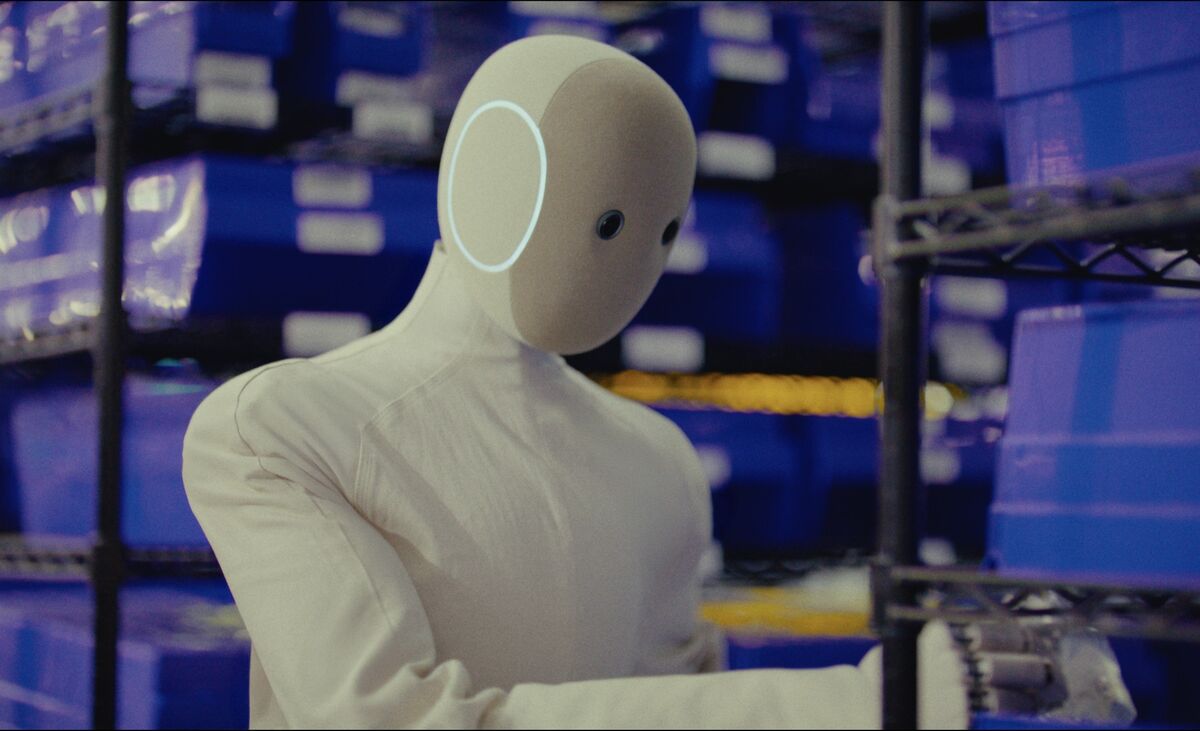
- 1X Technologies' OpenAI-backed Neo is a tendon-based humanoid weighing 30 kg with a 20 kg carrying capacity, designed as 'an all-purpose android assistant to your daily life.'
- Boston Dynamics unveiled a fully-electric Atlas that drops hydraulics and 'move and bend its body in ways that exceed human capabilities'; the company was acquired by Hyundai in 2020.
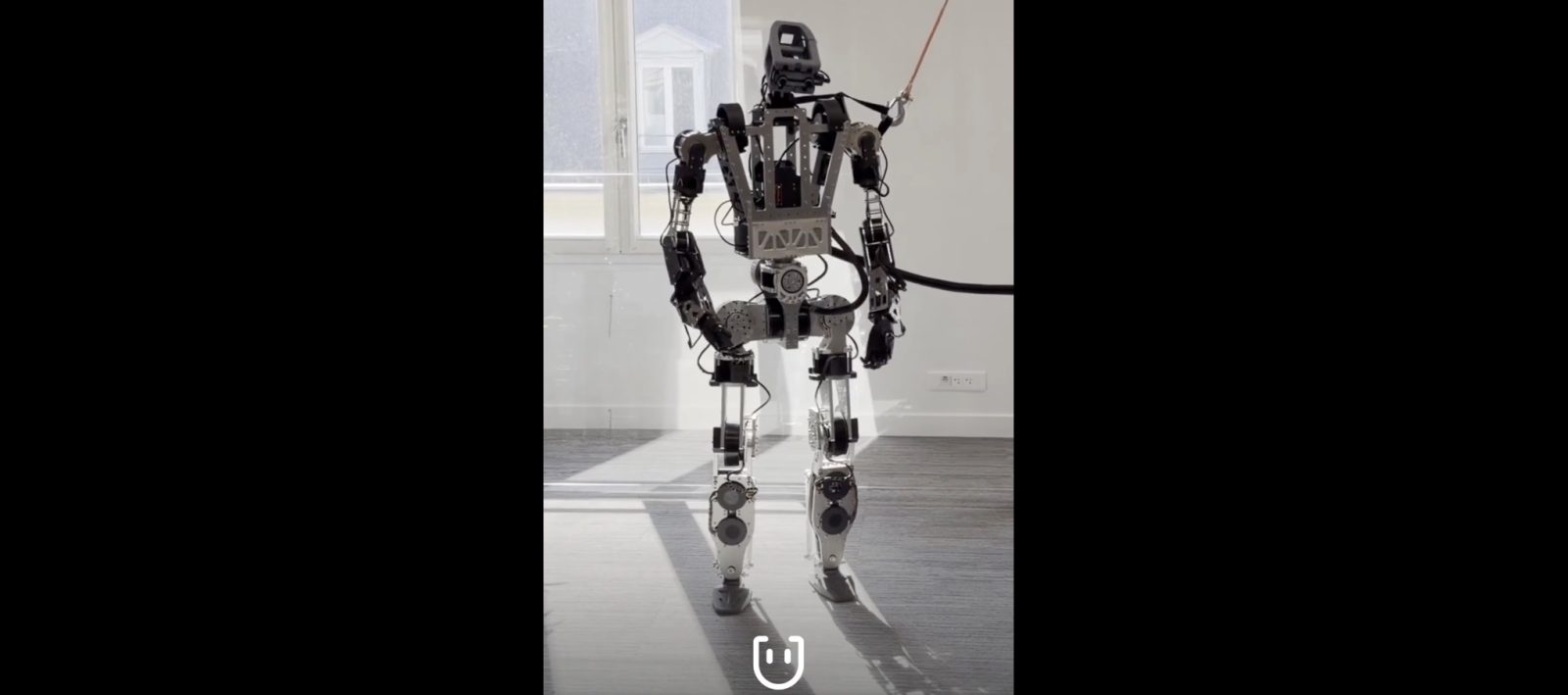
- Apptronik's Apollo comes after eight years and more than half a dozen humanoid prototypes — including NASA's Valkyrie — and is being readied for commercial release following pilot deployments.
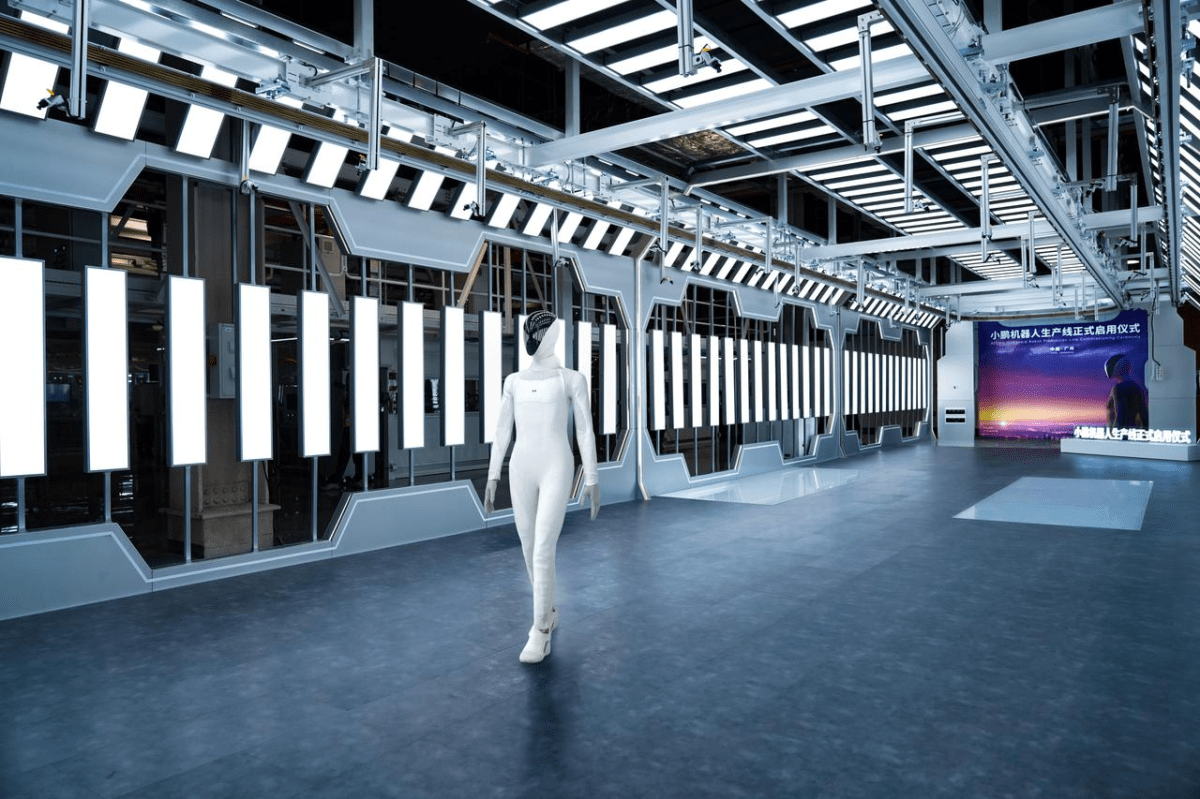
- Tesla could be its own first customer for Optimus, leveraging battery, sensing, computing, and AI experience from its car business to deploy humanoids in its own factories.
- Figure, founded in 2022 with team heritage tracing back through the DARPA Robotics Challenge, plans to scale humanoids into 'the labor force' by iterating hardware prototypes quickly.
- Fourier Intelligence, Singapore-based, is already mass-producing its GR-1 and GR-2 humanoids, pivoting from its healthcare and rehabilitation robotics background.
Why it matters: Each player stakes out a distinct bet — 1X on human-safe tendon design, Tesla on vertical integration, Boston Dynamics on agility, Fourier on volume manufacturing — but the source itself repeatedly shows these bots still falling over, training via teleoperation, and being piloted in warehouses and car plants rather than apartments. The race is real; the home-ready Rosie is not.
Ask SkimNews