Pakistan's Peace Win Threatens to Pull It Into War
Get the Geopolitics newsletter
Daily geopolitics — wars, elections, sanctions, the diplomatic moves that move markets. Free.
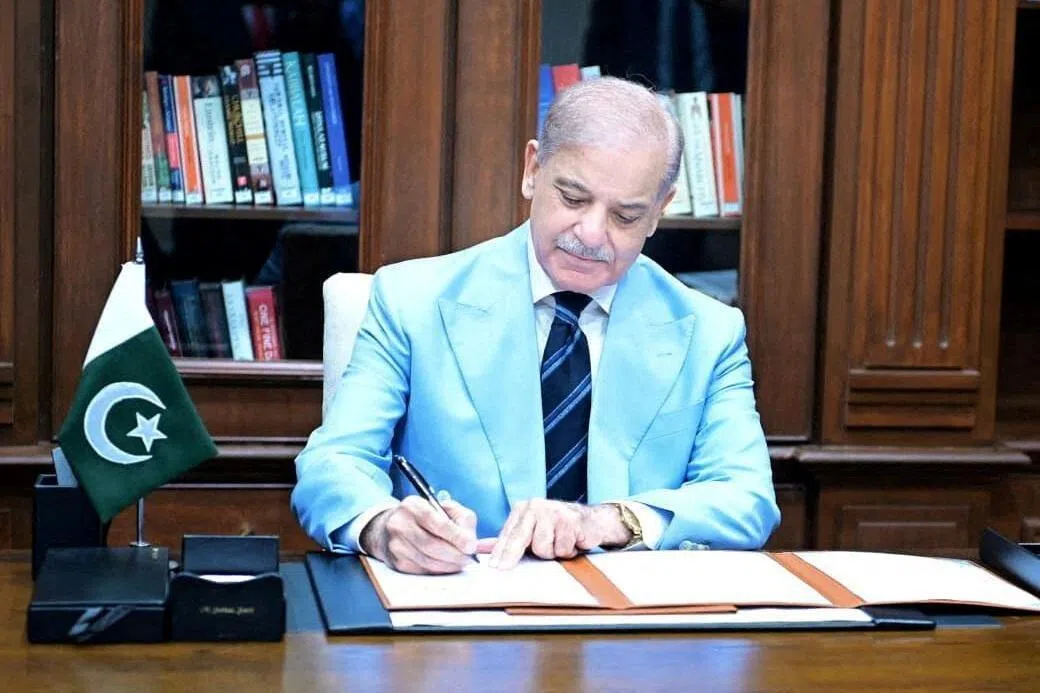
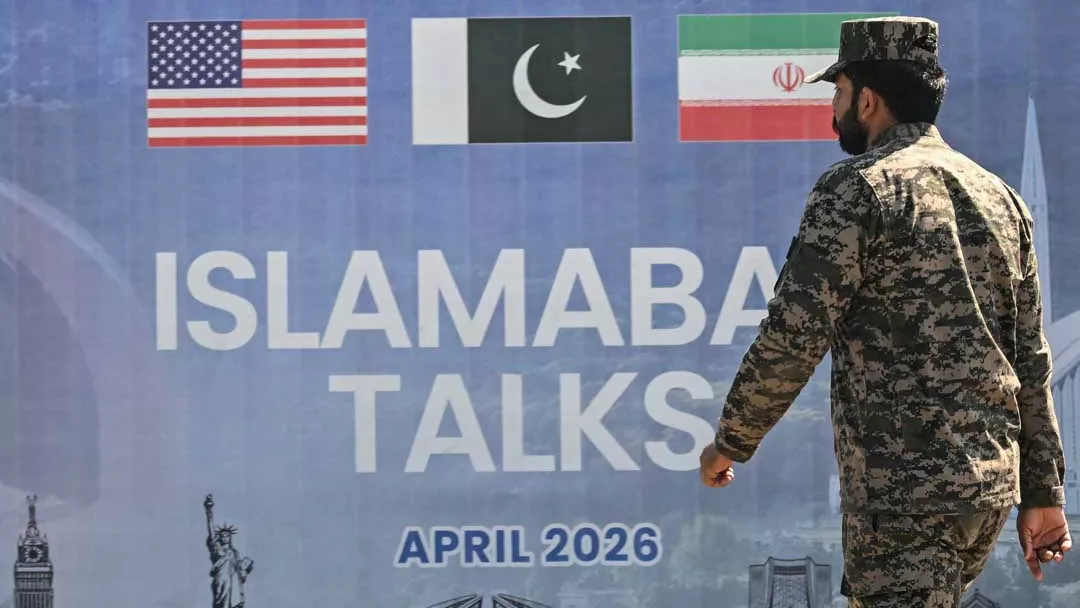
- Pakistan brokered the June Islamabad MoU between the U.S. and Iran; VP Vance signed it and personally called Army Chief Asim Munir one of the "very, very important people" in his life, before Trump declared the deal "over" in early July and Iran suspended all obligations on July 18
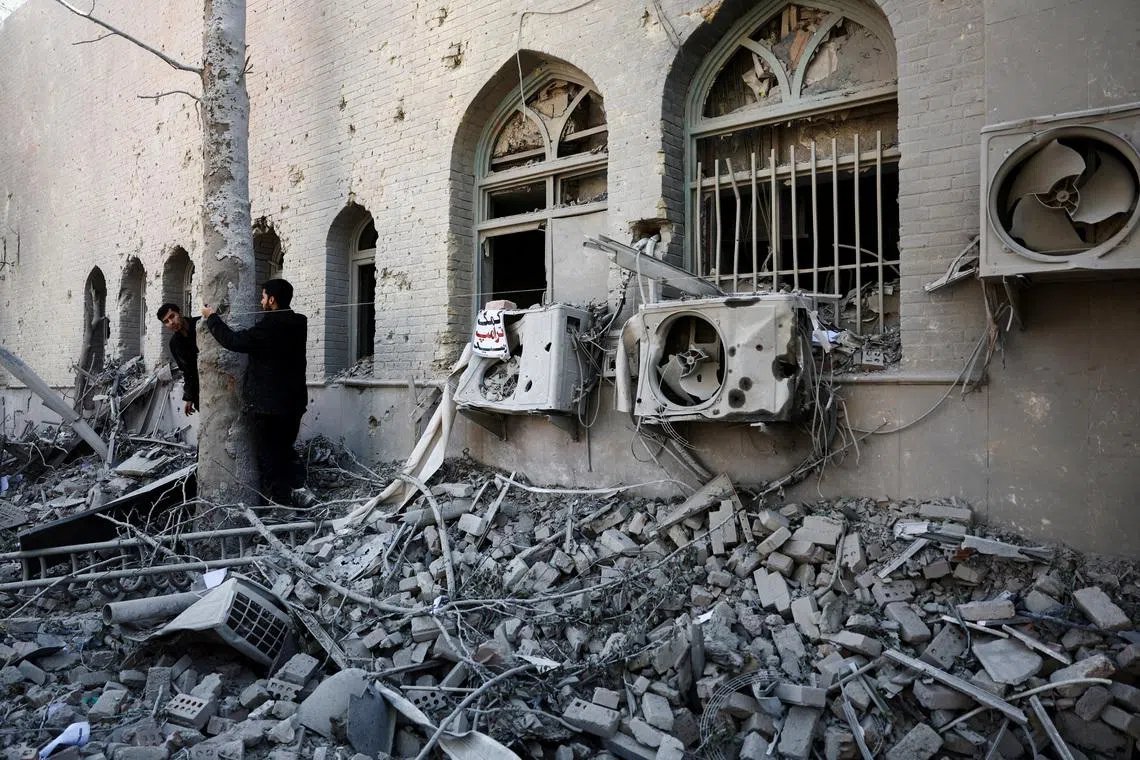
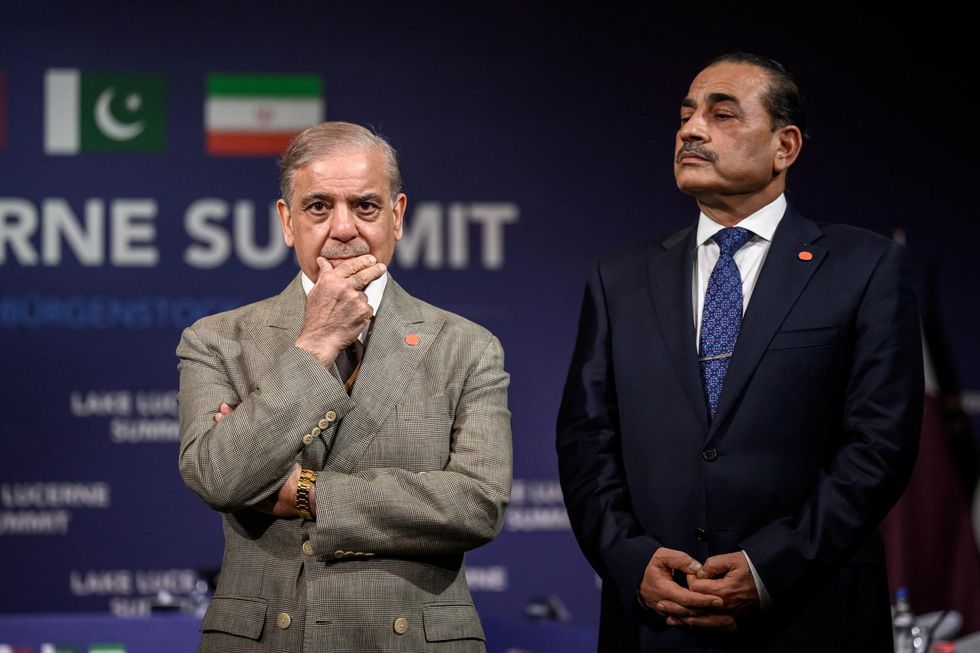
- Saudi Arabia's Prince Sultan Air Base at al-Kharj was struck by Iran—its first direct hit on Saudi territory since March—just days after Houthi missiles hit Abha airport, triggering Pakistan's mutual defense pact and prompting Sharif to pledge "unwavering support" for Riyadh's security
- Pakistan's National Assembly voted unanimously in April 2015 to "maintain neutrality" after a nearly identical Saudi request to join its Yemen coalition, putting Sharif's current pledge in direct contradiction with parliament's earlier stance
- The UAE recalled a $3.5 billion loan in April and deported Pakistani Shia workers by the thousands after Islamabad's perceived tilt toward Tehran during mediation; Saudi Arabia stepped in with $3 billion to cover the gap
- Kuwait is now in early-stage talks with Pakistan for an expanded defense pact that would include thousands of Pakistani troops, fighter jets, drones, and air defense systems, though one Pakistani security official said combat troops cannot be considered "at this stage"
- On its 25th IMF program, Pakistan saw inflation return to double digits after the Strait of Hormuz closure; a parallel Houthi blockade on the Red Sea would push already-strained spot-market fuel prices higher and force Saudi Arabia to defend the East-West pipeline carrying 5 million barrels per day to Yanbu
- Pakistan is home to the world's second-largest Shia population after Iran, and the February killing of Supreme Leader Khamenei triggered deadly unrest in Karachi and Islamabad; both Munir and Sharif attended Khamenei's July funeral in a careful show of Iranian solidarity
Why it matters: Pakistan staked its diplomatic capital on brokering peace to unlock Gulf financial support, but renewed fighting has activated its mutual defense pact with Saudi Arabia and brought Kuwait's request for thousands more troops to Islamabad's doorstep. With its parliament having voted to stay neutral in Yemen as recently as 2015, Pakistan now faces a combat commitment it once explicitly rejected, while a single displeased Gulf patron can now yank billions in loans overnight.