Terry Tempest Williams on 'Glorians' and Desert Grace — SkimNews
SkimNews Take
The article's focus on individual discovery of desert life implies a broader call for a shift in environmental perception, moving beyond human-centric views of "emptiness" to recognize inherent ecological value.
Get the Energy newsletter
Daily energy & climate — solar, EVs, oil, the policy fights and tech bets shaping the transition. Free.
- Terry Tempest Williams released her 2026 book "The Glorians: Visitations from the Holy Ordinary," defining a "Glorian" as "a meeting with élan vital" — a moment of grace in seemingly unremarkable spaces
- The book's opening passage follows an ant carrying a coyote willow blossom across a Castle Valley patio, with pairs of attending ants appearing at every obstacle — cracks, prickly pear spines, wind gusts — to help it reach the colony, where workers cut the flower into pieces
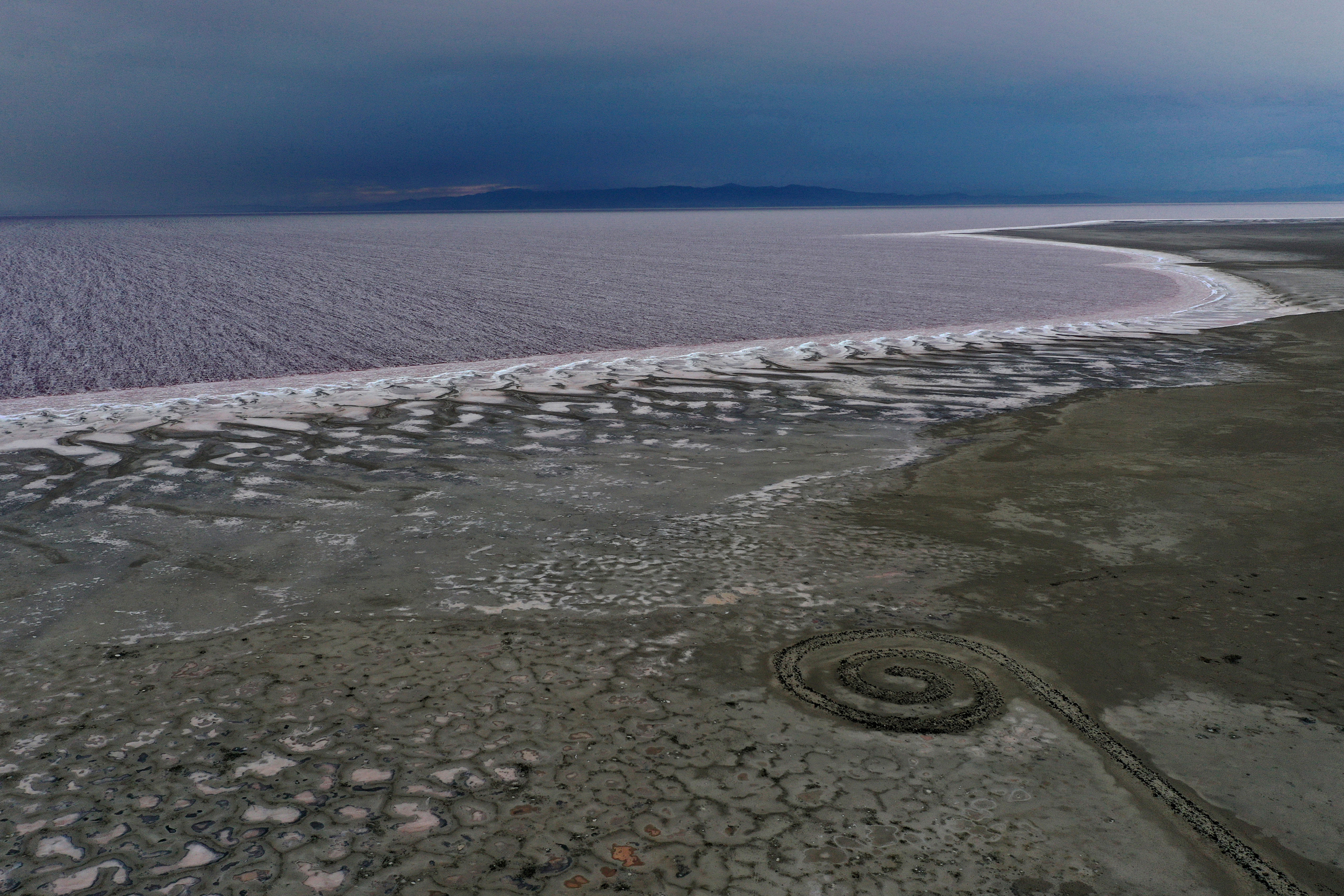
- Williams has been teaching at Harvard Divinity School, bringing 20 students on 10-day immersions to Great Salt Lake and land art sites including Nancy Holt's "Sun Tunnels" and Robert Smithson's "Spiral Jetty," while honoring the Ute Nation's instruction to call the lake "our sacred mother"
- Her night-walking practice was born of necessity during the pandemic summer, which brought 52 days of blistering heat peaking at 116°F to Castle Valley; the walks revealed deer, coyote, and jackrabbit eye shine and a Milky Way she describes as "dimensional"
- Williams' earlier environmental classic "Refuge" interwove her mother's cancer battle with Utah's environmental crisis — a throughline she continues in "The Glorians" as she frames this moment as one of "extraordinary cruelty" alongside "extraordinary compassion"
Why it matters: Williams reframes the West's iconic deserts as a counterweight to pandemic grief and political division, telling host Steve Curwood that "this is a place where we can stand steady." Her "Glorians" concept elevates an ant's half-hour blossom journey to a theological event — a framework she's now transmitting to 20 Harvard Divinity students at Great Salt Lake and the region's land art, making the book both a literary and pedagogical statement about attention as environmental practice.
Ask SkimNews