China's Civilian Survey Ships Map Taiwan's Seabed for War — SkimNews
Get the Geopolitics newsletter
Daily geopolitics — wars, elections, sanctions, the diplomatic moves that move markets. Free.
- China's marine scientific research vessels have expanded operations around Taiwan since 2022, with a major uptick from June onward in waters east of the island near where Japan and the Philippines are negotiating maritime boundaries.
- Survey ships including the Da Yang Hao, Xiang Yang Hong 22, Jia Geng, and Shen Hai 1 — the mother ship of the Jiaolong deep-sea submersible — operated in Taiwan's exclusive economic zone from June through July, with the Shen Hai 1 active about 50 nautical miles south of Taiwan near undersea cables connecting the island to global networks.
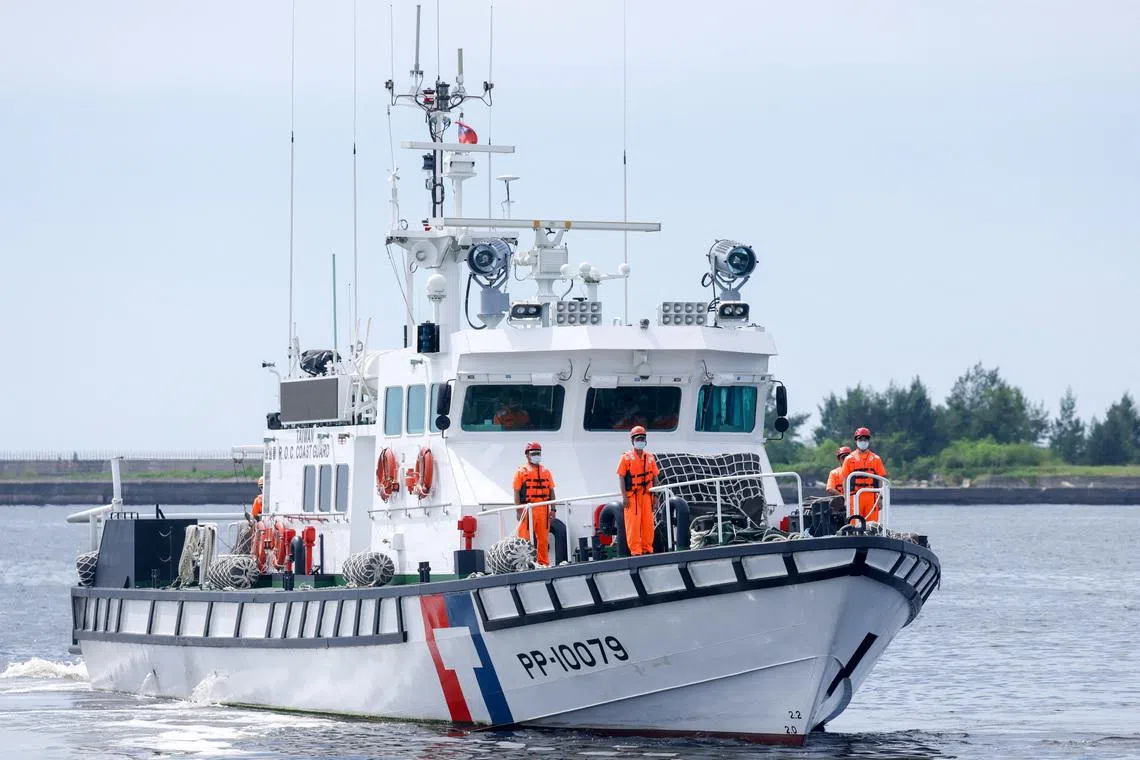
- The Tongji research vessel circumnavigated Taiwan from May 2-19 and operated within 30 nautical miles of the coast; when the Taiwan Coast Guard dispatched a cutter to expel it, the captain declared over bridge-to-bridge communications that "there is no Republic of China, only the People's Republic of China."
- The surveys serve a stated military purpose under the PLA concept of "military oceanography" (junshi haiyangxue), mapping the Kuroshio current's acoustic effects for submarine warfare, charting bathymetry for potential sea mine prepositioning, locating undersea cables, and identifying foreign sensor arrays tracking Chinese submarines.
- The June expansion was triggered by Japan-Philippines negotiations on maritime boundary delimitation east of Taiwan — talks from which Beijing was excluded — with China's surveys signaling it will not accept a delimitation without its participation.
- Beijing treats the surveys as legal warfare: conducting research without Taipei's permission asserts Chinese sovereignty, and the source argues that the absence of public objections from the US or other countries "amounts to consent" that undermines their position.
- Media coverage has focused on PLA and Coast Guard activity around Taiwan while civilian survey ships operate "often unnoticed and in unprecedented numbers," despite the author arguing their intelligence value to a future conflict is significant.
Why it matters: These unarmed civilian vessels let Beijing conduct intelligence preparation of the battlefield while simultaneously pressing its sovereignty assertion — and because no country, including the US, has publicly objected, the article argues the international community's silence effectively legitimizes China's framing and weakens Taiwan's legal standing before any conflict begins.
Ask SkimNews