India, China arm Central Asia as Russia's grip weakens — SkimNews

Get the Geopolitics newsletter
Daily geopolitics — wars, elections, sanctions, the diplomatic moves that move markets. Free.
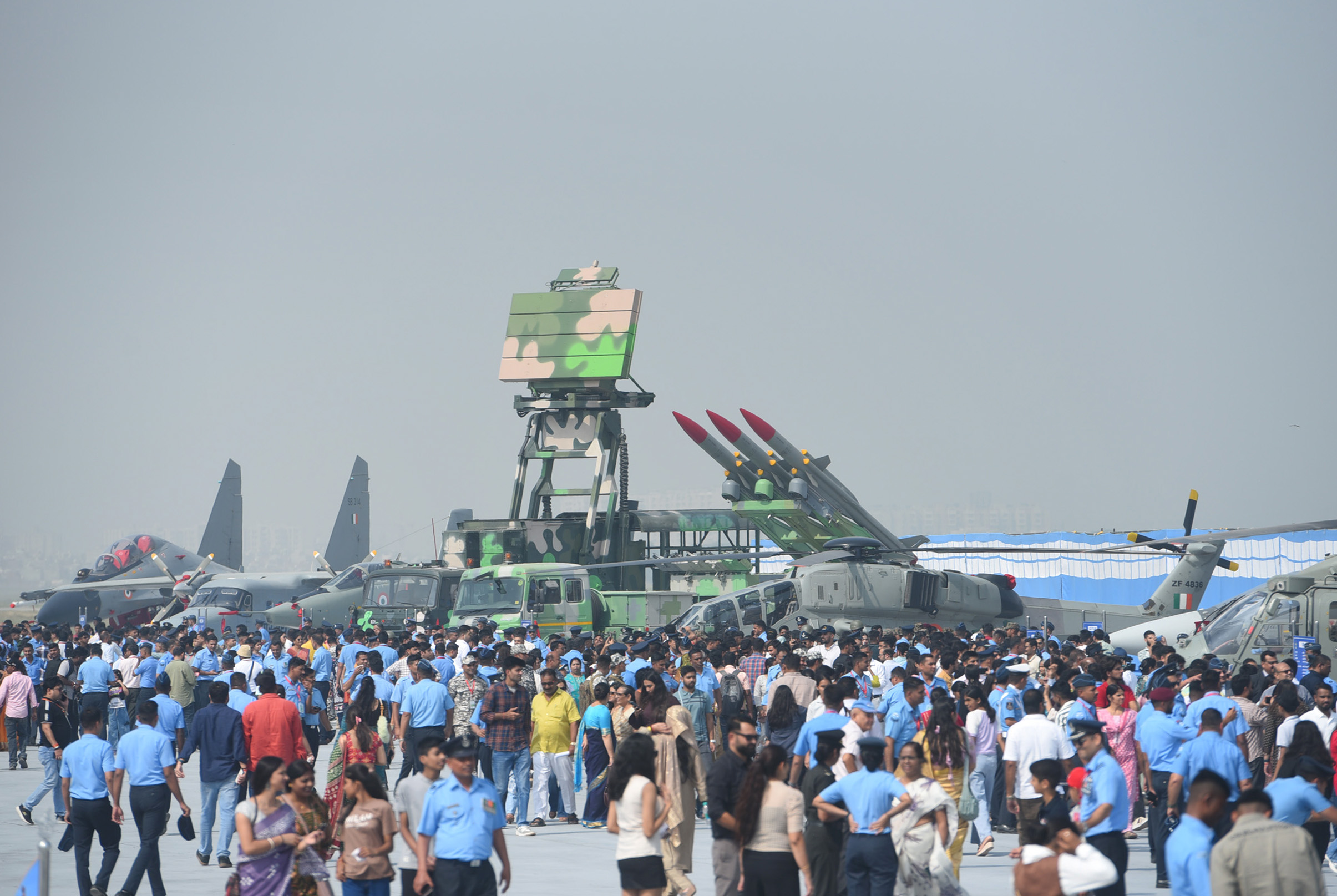
- India's Defense Secretary Rajesh Kumar Singh confirmed Akash surface-to-air missile exports to Tajikistan and Turkmenistan, with the DRDO-engineered system (engaging targets up to 18–20 km altitude) bundled with Rajendra radar and maintenance packages, building on its 2022 inaugural sale to Armenia.
- China delivered J-10CE combat aircraft to Uzbekistan, making it the second confirmed foreign operator after Pakistan; official footage showed at least six in Tashkent amid reports of a 24-jet order, marking Beijing's breakthrough into a market long dominated by Soviet and Russian manufacturers.
- Russia's major arms exports collapsed 64% between 2016–20 and 2021–25, shrinking its global share from 21% to 6.8%, per SIPRI's March 2026 dataset — making it the sole top-10 arms exporter to contract, with nearly three-quarters of diminished exports now concentrated in India, China, and Belarus.
- India frames its Central Asian missile sales alongside Brahmos transfers to the Philippines and Indonesia as its "Necklace of Diamonds" counter-encirclement strategy against China's Belt and Road Initiative, targeting China's western flank.
- Russia retains structural influence through CSTO mutual defense pacts with Kazakhstan, Kyrgyzstan, and Tajikistan, roughly $44 billion in bilateral trade in 2023, Russian air deployments in Kyrgyzstan, and delivered S-300 systems in Tajikistan, per Gusseinov and Allayarov.
- Central Asian leaders now view Russia as an "unpredictable vulnerability" following the Ukraine war, driving multi-vector diversification toward China, Turkey, the EU, the US, and India, according to Tsiporah Fried's December 2025 Hudson Institute report.
Why it matters: Central Asia is becoming a live arena for India-China strategic competition, with both powers exploiting Russia's 64% collapse in arms exports and 21%–to–6.8% global share slide. Russia still anchors the region through CSTO mutual defense pacts, $44 billion in 2023 bilateral trade, and forward garrisons — meaning arms contracts are where loyalties move, and Moscow's structural economic ties will determine whether its military influence erodes at the same pace.
Ask SkimNews