Texas Approves AI Data Center-Wind Farm Co-Location — SkimNews
SkimNews Take
By requiring AI data centers to accept curtailment and emergency disconnection, ERCOT is effectively classifying them as grid-flexibility resources rather than firm loads—a template that could spread to other states seeking to integrate hyperscaler demand without expanding baseload capacity.
Get the Energy newsletter
Daily energy & climate — solar, EVs, oil, the policy fights and tech bets shaping the transition. Free.
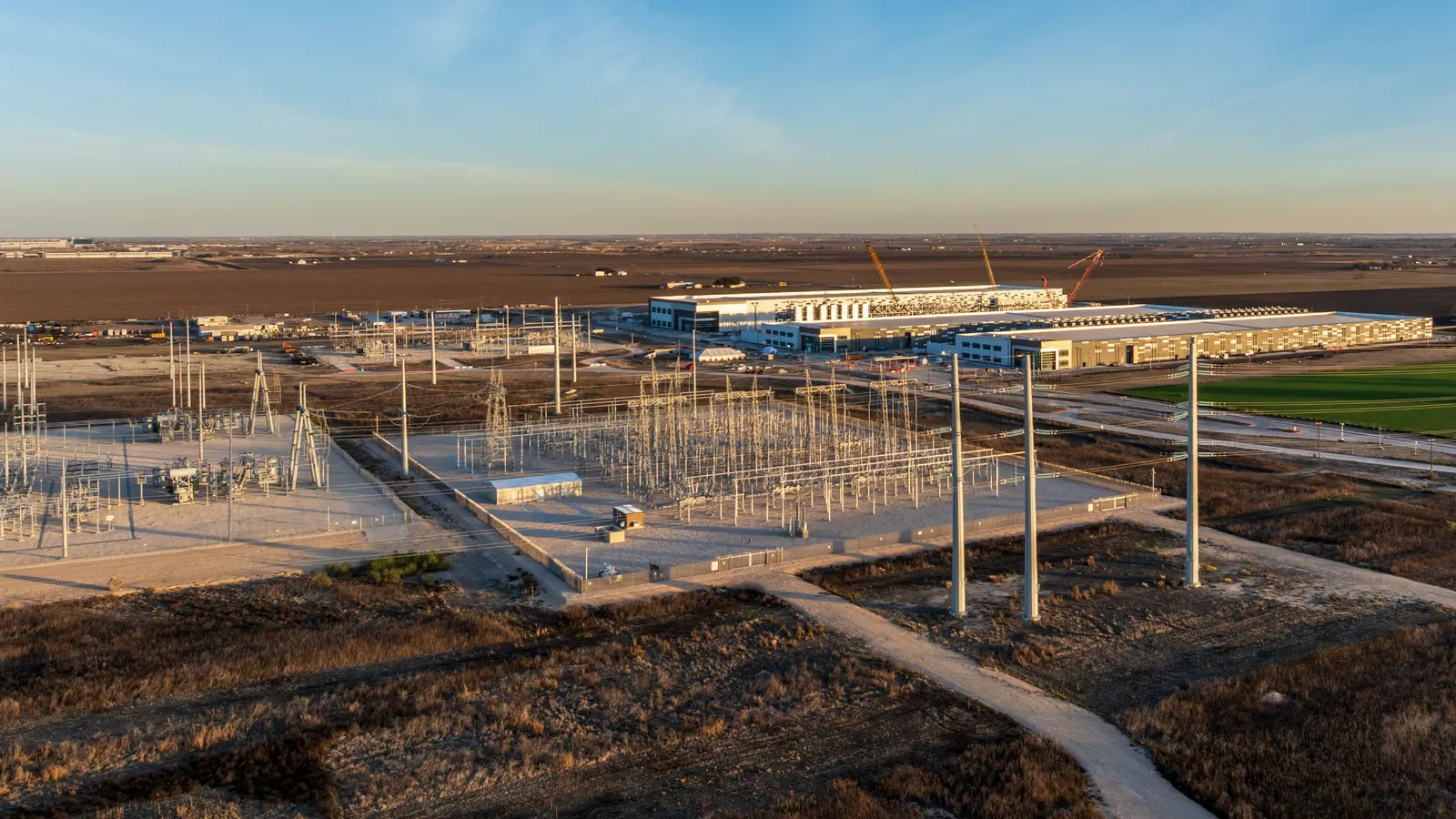
- Texas Public Utility Commission approved a net metering arrangement for a 260-MW AI data center co-located with a wind farm of similar capacity in one of the first major tests of the state's SB 6 large-load law.
- Commissioners rejected the developer's bid to exempt the second data center from curtailment, finding the combined ~525 MW load exceeds the site's 265.5 MW generation capacity; the facility must be capable of full-load curtailment within 30 minutes during grid emergencies, with physical breaker disconnection if needed.
- The July 23 order bars the project from receiving paid demand-response compensation and treats rapid shutdown as a reliability requirement for behind-the-meter operations, distinguishing mandatory emergency curtailment from voluntary grid services.
- Chris Talley of GridTracker called the decision not a "death blow" to co-location but said it "essentially requires full backup capacity"—resources that can carry the load off-grid for a meaningful period—and flagged the pending Amazon-Vistra application next to the Comanche Peak nuclear plant as a key case to watch.
- Crusoe, the developer, and Ensign, the large-load operator, had argued that forcing the entire site offline was disproportionate; commissioners largely adopted the administrative law judge's recommendation and concluded that allowing the second load to stay online during emergencies would undermine reliability.
- ERCOT would provide 60 minutes' advance notice of curtailment "when practicable," while the operator may voluntarily commit to a faster 10-minute response.
Why it matters: The ruling sets a precedent for behind-the-meter AI data centers in ERCOT: co-location is allowed, but developers must guarantee 30-minute emergency curtailment and forgo paid demand-response revenue. GridTracker says the order essentially mandates full backup capacity, and the same template will now be applied to the pending Amazon-Vistra Comanche Peak application.
Ask SkimNews