Philippines, US, Japan Conclude South China Sea Drills — SkimNews

Get the Geopolitics newsletter
Daily geopolitics — wars, elections, sanctions, the diplomatic moves that move markets. Free.
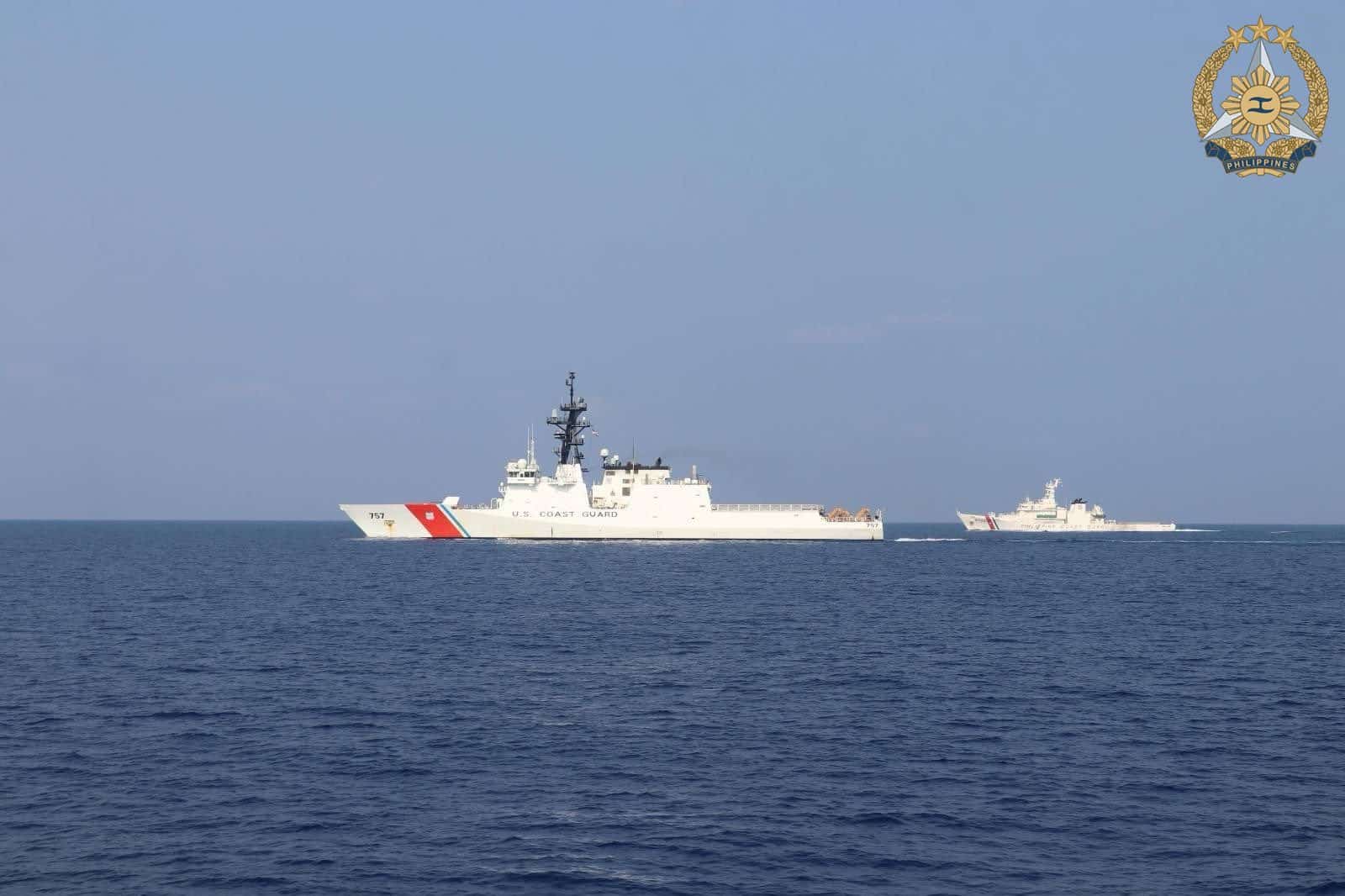
- Philippines concluded the 17th Multilateral Maritime Cooperative Activity with the US and Japan on Saturday — a five-day exercise starting July 21 that combined warships, coast guard vessels, and surveillance and fighter aircraft for interoperability drills including communication exercises, replenishment at sea, and division tactics.
- The drills coincided with the 10th anniversary of the 2016 South China Sea arbitral ruling, which found China's expansive "nine-dash line" claim had no basis under international law — a ruling Beijing rejects as "null and void."
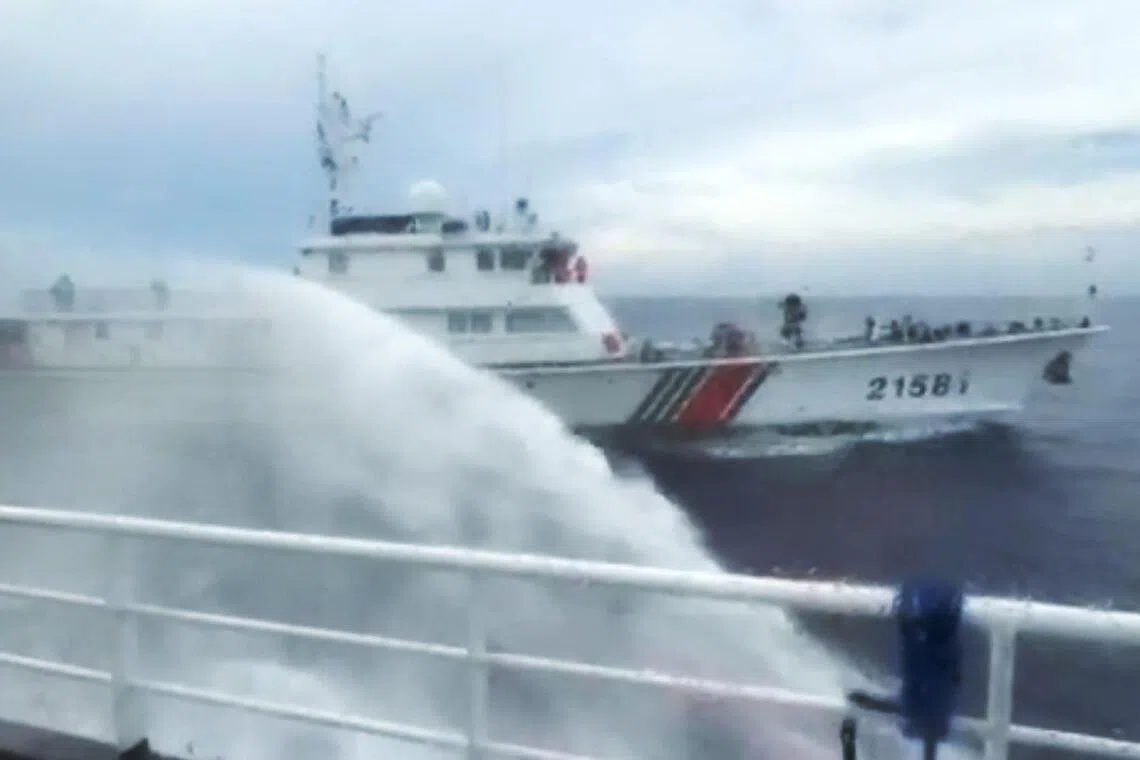
- China Coast Guard fired water cannons at Philippine Coast Guard and BFAR vessels near Scarborough Shoal on Friday for the second consecutive day during a fuel and provisions delivery to Filipino fishermen, with one CCG vessel coming within 7 meters of a BFAR boat and creating a serious risk of collision.
- At Second Thomas Shoal on July 20, Philippine and Chinese personnel exchanged physical blows, leaving one Filipino personnel with a head injury from a baton wielded by CCG personnel near the BRP Sierra Madre — the grounded warship serving as Manila's outpost on the shoal.
- The July 20 melee broke the June 2024 provisional understanding between Beijing and Manila, which had sought to reduce misunderstandings during resupply missions to the BRP Sierra Madre marines and had largely succeeded in reducing tensions for over a year.
- US Secretary of State Marco Rubio described China's South China Sea actions as "disturbing" and reaffirmed US support for Manila during ASEAN foreign ministers' meetings in Manila, with other Philippine partners expressing similar concerns about the Second Thomas Shoal incident.
Why it matters: The July 20 confrontation at Second Thomas Shoal breaks a June 2024 provisional understanding that had held for over a year, removing Manila's de-escalation buffer as water cannon attacks at Scarborough Shoal widen the flashpoints. Rubio's "disturbing" characterization of China's actions confirms firm US backing, but Manila still faces resupply runs to the BRP Sierra Madre without the bilateral cushion that had contained clashes.
Ask SkimNews