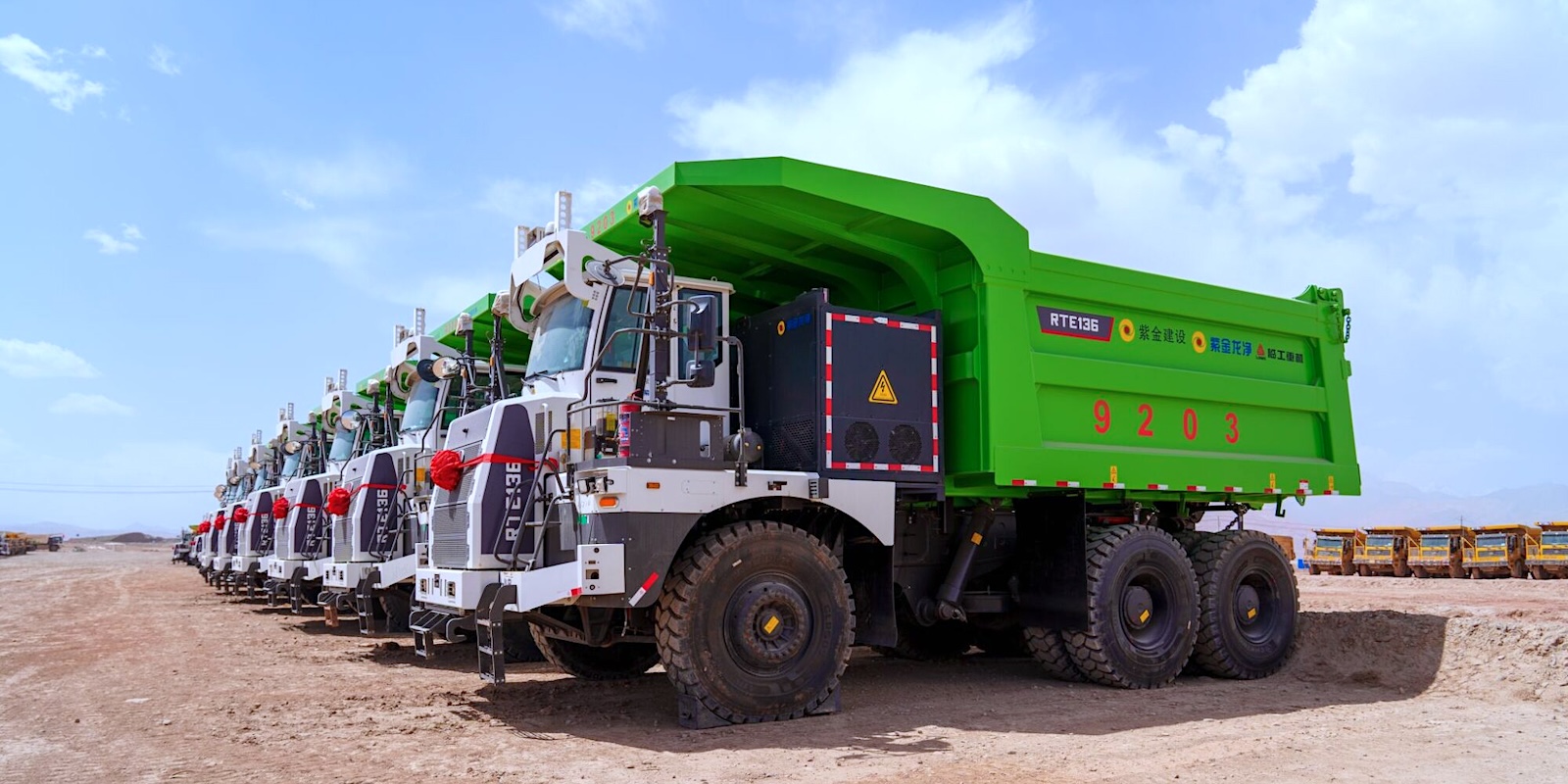
Sinopec: Battery EVs Now Outcompete Hydrogen Heavy Trucks
Get the Energy newsletter
Daily energy & climate — solar, EVs, oil, the policy fights and tech bets shaping the transition. Free.
- Sinopec's internal magazine reports that battery electric trucks are displacing hydrogen heavy trucks in medium-to-heavy, long-range applications as battery and charging advances erode hydrogen's edge.
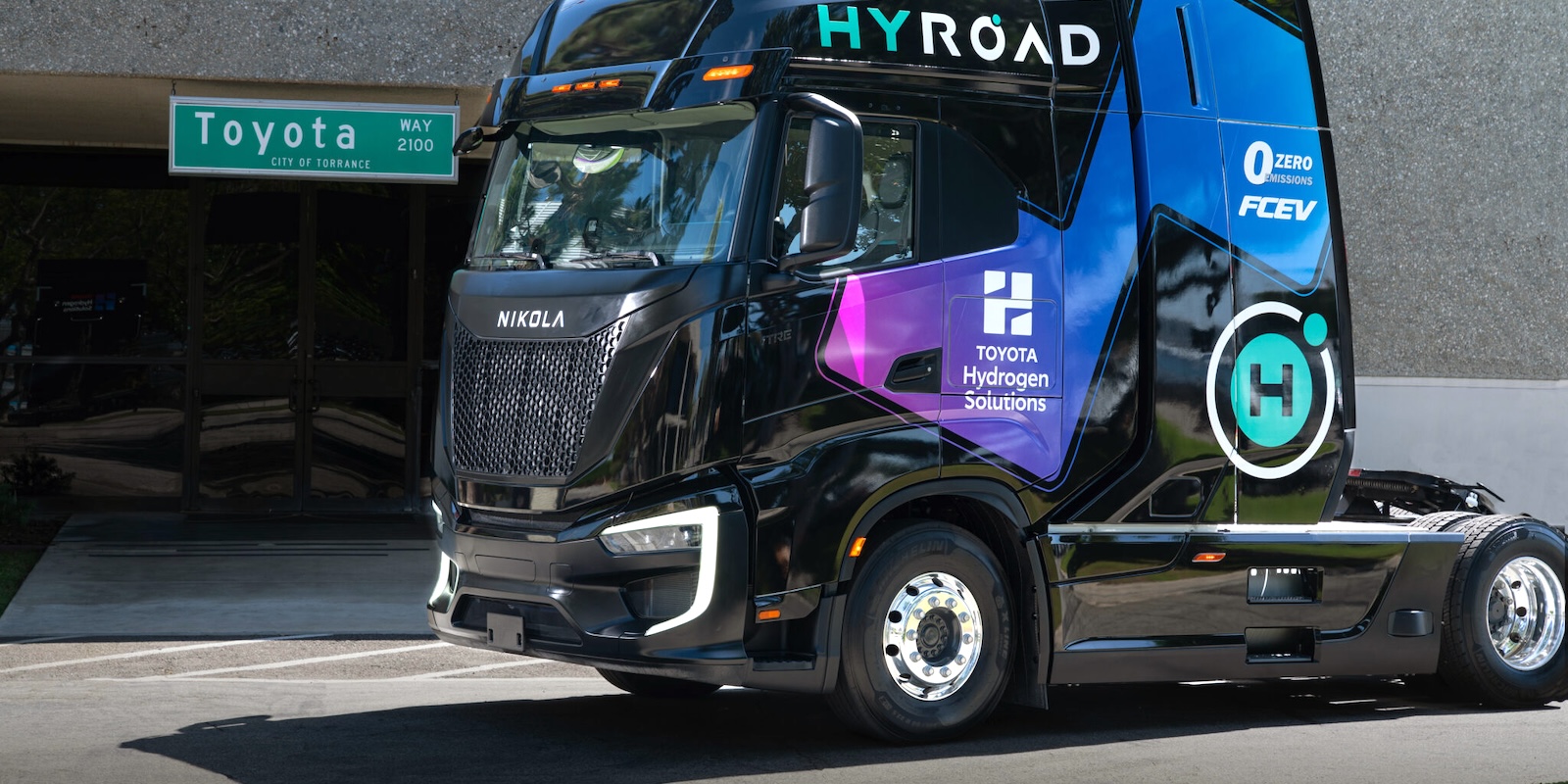
- Hydrogen's energy density advantage is undercut by containment needs — tank systems on a heavy truck alone can weigh over 1,000 pounds to keep the tiny hydrogen molecule from escaping under pressure.
- ~98% of hydrogen currently on the market comes from cracking hydrocarbon molecules (mostly methane), meaning most hydrogen vehicles still effectively run on fossil fuels.
- China's new five-year plan frames battery electric trucks as a current technology while treating hydrogen trucks as still under study for the future.
- China is deploying 1.5MW ultra-fast chargers for light-duty cars — faster than some US heavy truck chargers — as EV heavy trucks begin to surge.
- Sinopec concedes hydrogen may still find a long-haul niche given higher range and payload capacity, but acknowledges finding it against high EV market penetration will be "challenging."
Why it matters: Sinopec's concession carries weight precisely because it comes from inside the fossil fuel industry: the world's second-largest oil company admitting that even past the 'death valley' of tech adoption, hydrogen can't match battery electric trucks on energy efficiency or infrastructure synergy. China's five-year plan reinforces the tilt, treating battery EVs as present technology and hydrogen as future research.