Middle Powers Act Amid US-China Stalemate — SkimNews
Get the Geopolitics newsletter
Daily geopolitics — wars, elections, sanctions, the diplomatic moves that move markets. Free.
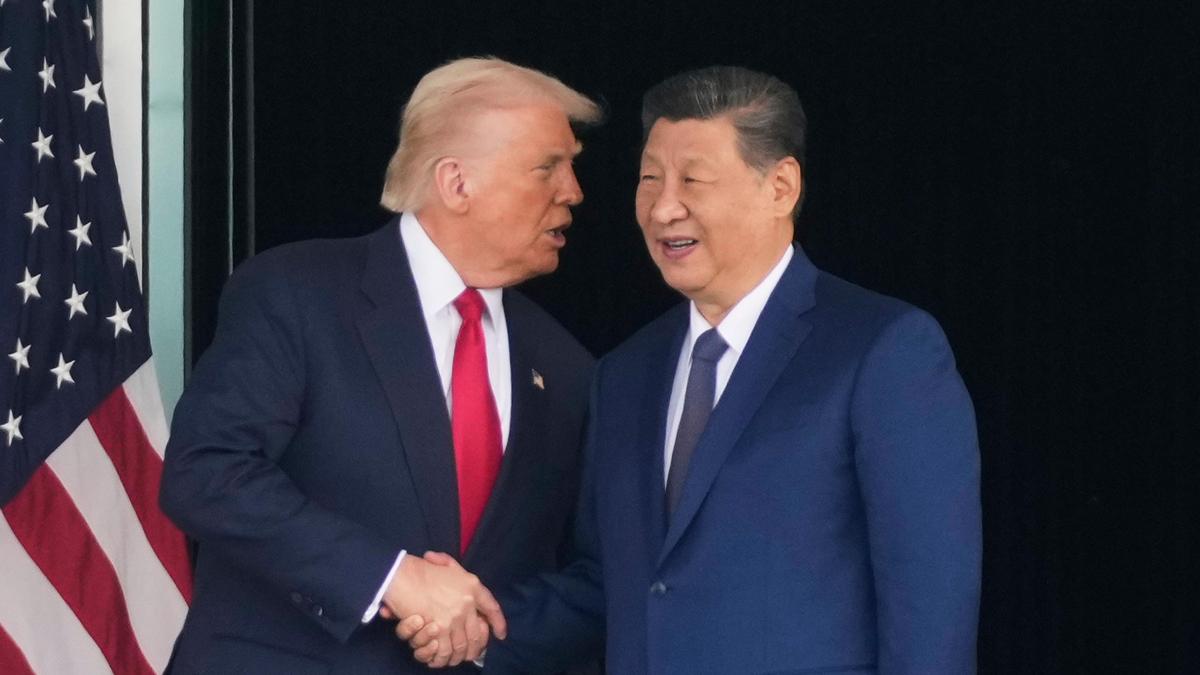
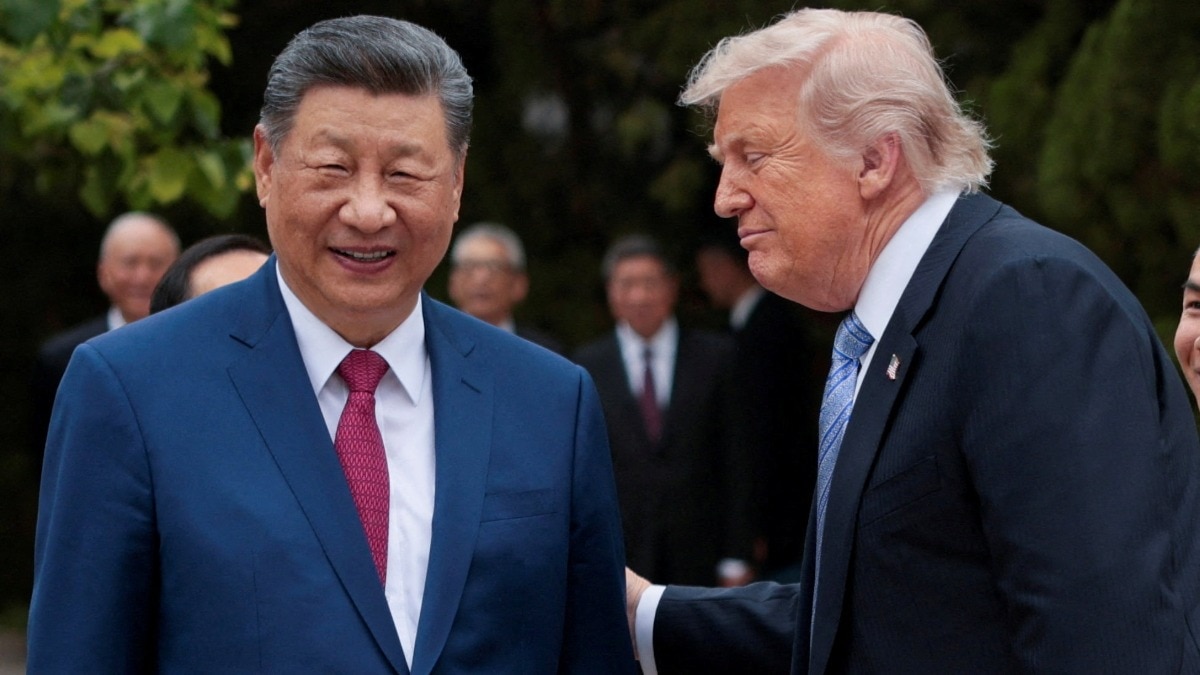
- Xi Jinping and Donald Trump are set to meet in Washington this week, with expectations low for breakthroughs despite hopes for progress on trade and AI guardrails.
- U.S. Treasury Secretary Scott Bessent confirmed that U.S. and Chinese officials have discussed creating a 'notification mechanism' to share information on AI-related security incidents.
- European Commission President Ursula von der Leyen declared the 'second China shock' is already impacting Europe, citing technological competition in green energy and e-mobility as drivers of deindustrialization.
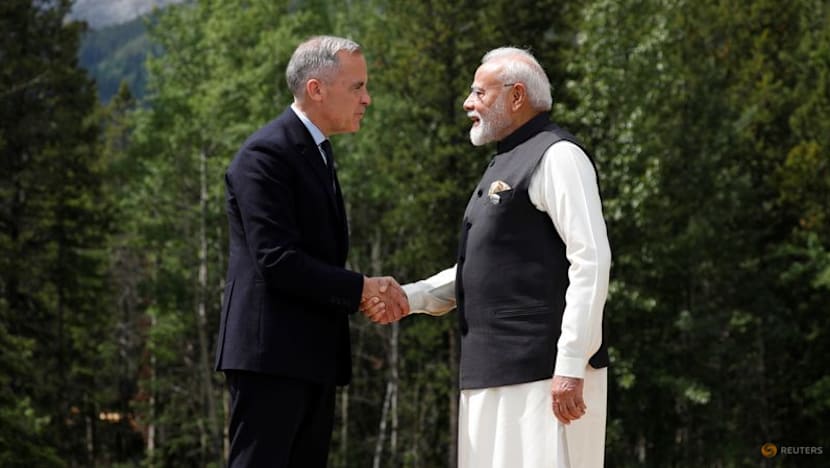
- Canada, under Mark Carney, lowered tariffs on Chinese electric vehicles from 100% to 6.1% with a quota of 49,000 units annually, following a 'new-era strategic partnership' agreement reached after Carney’s visit to China.
- Mikko Huotari of MERICS described the current U.S.-China dynamic as a 'strategic stalemate,' where both powers prioritize time over breakthroughs, reshaping how middle powers navigate the rivalry.
- German and Chinese business leaders held an economic dialogue in Düsseldorf, highlighting European concerns over competition from subsidized Chinese industries despite opposition from automakers like VW and BMW to punitive tariffs.
Why it matters: Middle powers face shrinking room to maneuver as U.S.-China rivalry intensifies—Canada gains market access with lower EV tariffs while risking U.S. backlash, and the EU confronts industrial erosion from Chinese overcapacity, with concrete policy responses now clashing with corporate interests and transatlantic pressures.
Ask SkimNews