Two-thirds of US voters link climate change to higher — SkimNews
Get the Energy newsletter
Daily energy & climate — solar, EVs, oil, the policy fights and tech bets shaping the transition. Free.
- Yale Program on Climate Change Communication survey found two-thirds of U.S. voters agree global warming is affecting their cost of living, with majorities citing groceries, utility bills, and home insurance.
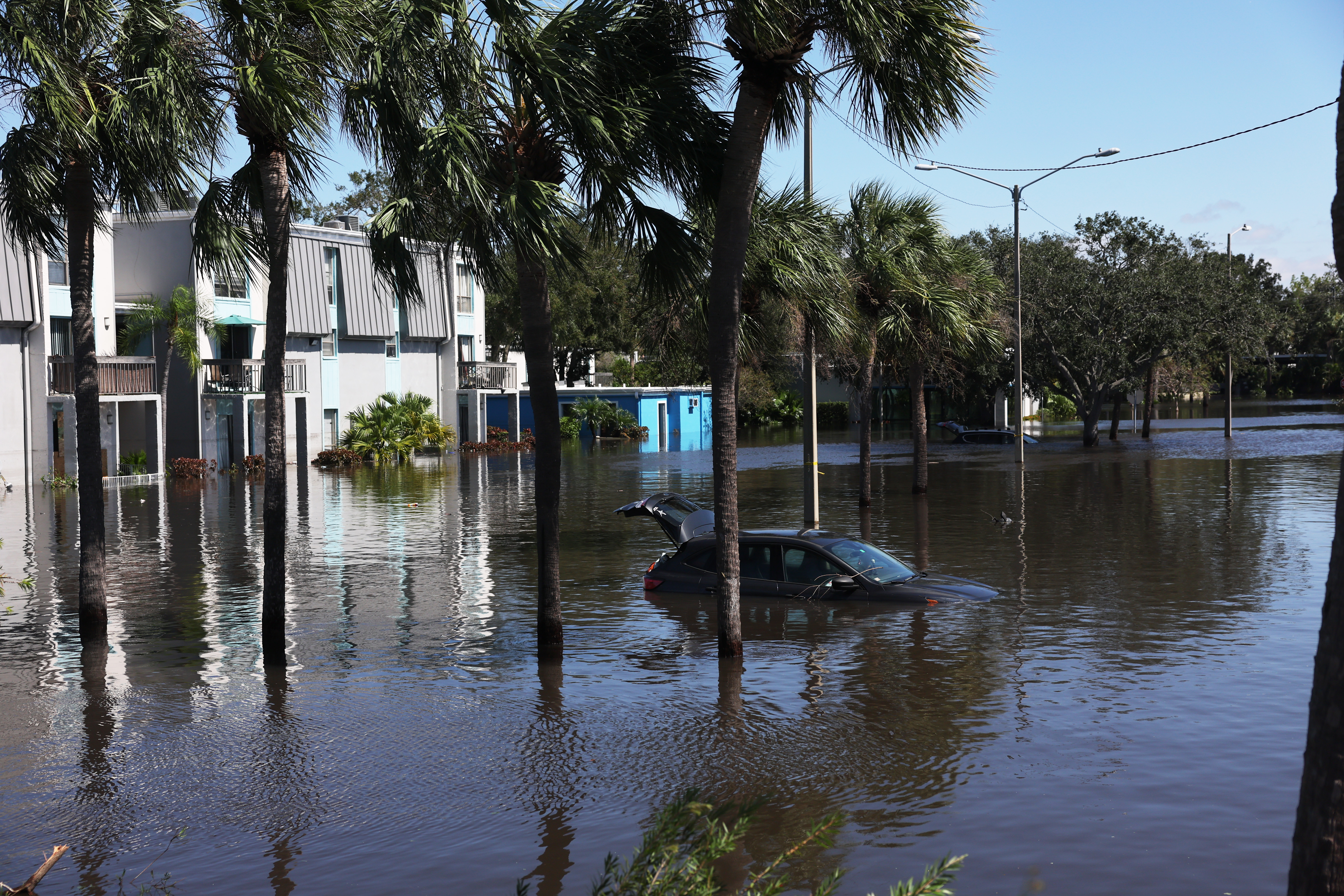
- Kimberly Clausing of UCLA co-authored research finding families pay $400 to $900 more annually due to climate change, with costs above $1,300 in the 10% hardest-hit counties across Florida, Louisiana, Nebraska, Colorado, and California.
- Annual U.S. inflation hit 4.2% in May, the highest in three years, with the Commerce Department report noting the war in Iran as the main driver of the recent increase.
- LCV Victory Fund announced Monday it will target "energy bill voters" ahead of November's midterms, following Democratic wins in 2025 off-year races in Georgia, New Jersey, and Virginia where energy prices were a factor.
- Homeowners' insurance is the biggest climate-driven cost at an extra $356 per year on average — far exceeding the extra $35 in electricity costs — with Clausing's own Portland, Oregon policy doubling from $1,000 to $2,200 in five years.
- 42% of conservative Republicans and 57% of moderate Republicans also link rising costs to global warming, with the Yale survey finding rural areas face the highest per-household costs.
- Premature deaths from wildfire smoke exposure cost U.S. households an estimated $103 annually, yet only 35% of cost-conscious respondents saw a link between climate change and higher healthcare costs.
Why it matters: The Yale data arms the LCV Victory Fund's "energy bill voters" strategy for the November midterms, while the dollar figures — especially the $356 insurance hit — reframe climate policy as a household-budget issue rather than an environmental one. Lower-income families in rural counties, including Republican-leaning ones, are absorbing the heaviest costs.
Ask SkimNews