Public Fails to Link Extreme Weather to Climate Change — SkimNews
Get the Energy newsletter
Daily energy & climate — solar, EVs, oil, the policy fights and tech bets shaping the transition. Free.
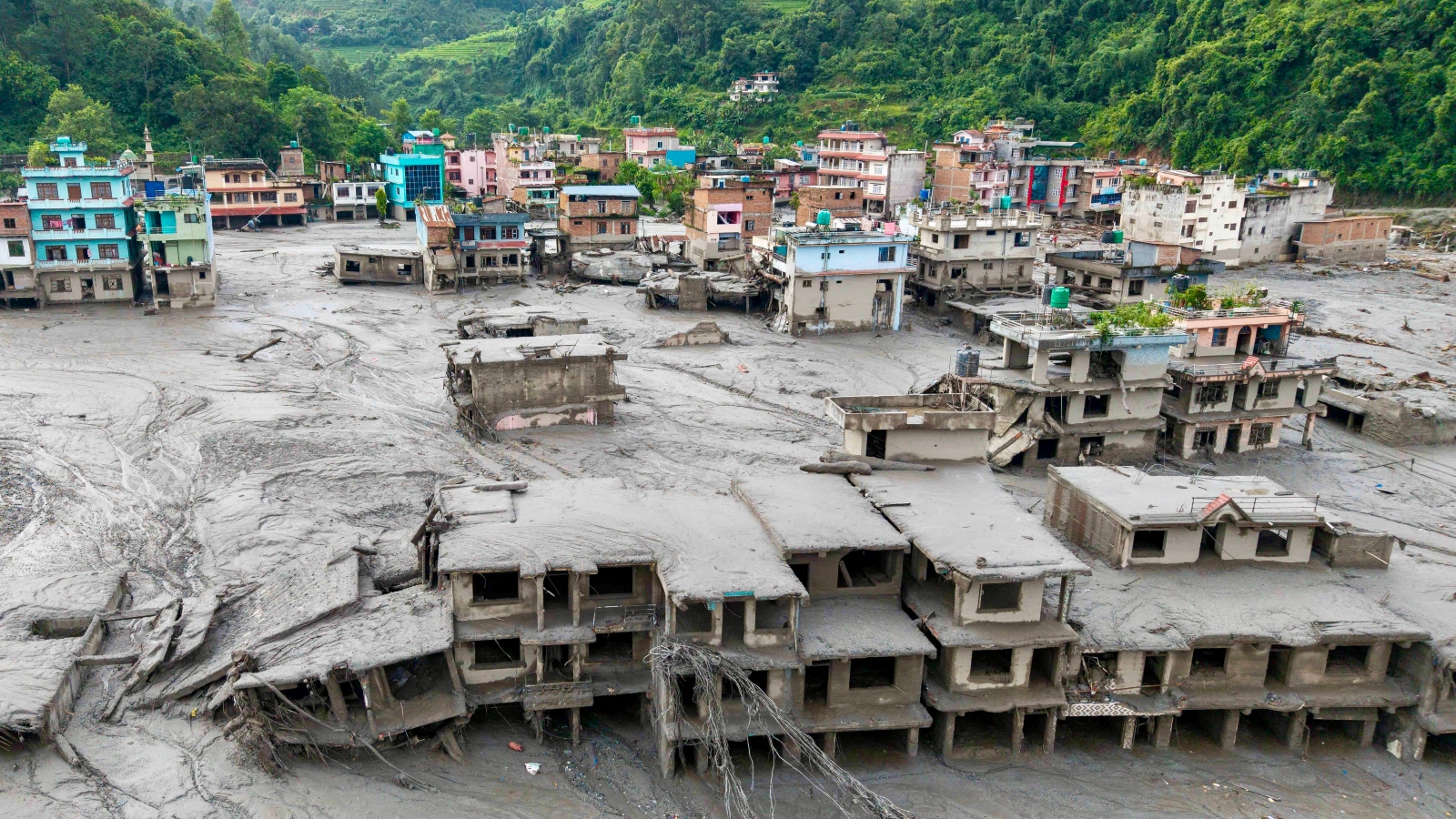
- Nepal suffered devastating floods and a glacier-collapse debris flow in late August that killed more than 1,300 people, part of a summer that also brought deadly heat waves across the US and Europe and record-low snow levels fueling western US wildfires.
- Anthony Leiserowitz, director of the Yale Program on Climate Change Communication, told Inside Climate News that climate change remains "a relatively abstract idea for many, many people" who don't intuitively link disasters like floods or wildfires to warming.
- A 2024 study found that wildfires were the only climate-fueled weather events producing a small but statistically significant boost in people acknowledging global warming — and even that effect was short-lived, while separate research found hot, dry days raised personal climate perception but heavier rainfall did not.
- Leiserowitz attributes the gap to "psychological distance," noting most Americans have no connection to far-off disaster zones like Nepal and can't identify them on a map, while climate change's long timescales further distance people from present-day impacts.
- Global news coverage of climate change has fallen 38 percent since its 2021 peak, according to the University of Colorado Boulder's Media and Climate Change Observatory, with newsrooms like The Washington Post and NPR downsizing their climate teams, per Grist.
- Max Boykoff, a University of Colorado Boulder environmental studies professor and co-author of the coverage analysis, warned that when media fail to cover climate accurately, "people may not recognize how climate change shapes their daily lives, livelihoods and challenges."
- The article notes that climate attribution science has advanced to its best-ever capability, but Leiserowitz cautioned that without public awareness, communities can't take adaptation or mitigation actions for events that will become "more frequent, more severe" with more "surprises."
Why it matters: With global climate coverage down 38% since 2021 and newsrooms cutting climate beats, the information pipeline that helps Americans link extreme weather to climate change is shrinking just as those events intensify — raising the cost of every unprepared household and community when the next disaster hits.
Ask SkimNews