Climate Weakened Glacier Behind Nepal-Tibet Floods: Study — SkimNews

Get the Energy newsletter
Daily energy & climate — solar, EVs, oil, the policy fights and tech bets shaping the transition. Free.
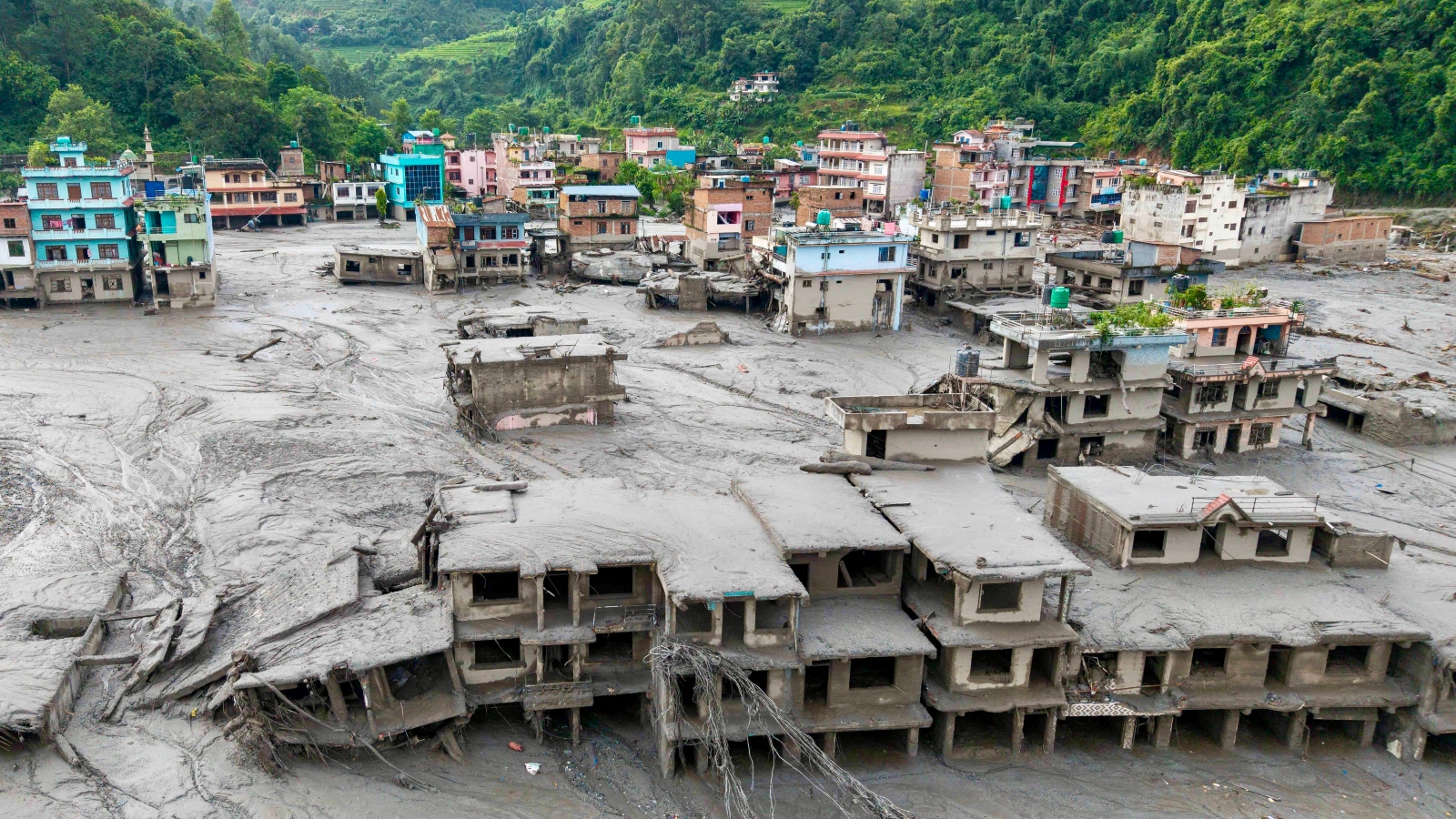
- World Weather Attribution study finds climate breakdown probably weakened the Langtang Lirung glacier, which collapsed on 26 August and sent an avalanche of 110m cubic metres of snow and ice into the valley, killing over 1,300 people with more than 5,000 still missing.
- The collapse involved roughly 200,000 sq metres of glacier and rock dropping about 1,400 metres, slamming into the valley floor hard enough to register as an earthquake and triggering flash floods at speeds exceeding 110 mph that swept away families, homes, roads and bridges.
- Imperial College London researchers found July-August temperatures reached 5C above the 30-year average in the days before the collapse, with regional climate breakdown causing about 2C of warming since pre-industrial times.
- The freezing threshold in the Himalayas has risen about 100 metres per decade since the 1980s, with warming already driving substantial glacier recession that removed stabilising ice from around the collapse site.
- A 2015 7.8 magnitude earthquake further contributed to slope failure, though researchers could not confirm its specific role in the August disaster; the event was framed as a 'compound crisis' with climate as a destabilising factor on existing geology, not the direct cause.
- Nepal has filed a formal request with the UN loss and damage fund; foreign minister Shisir Khanal demanded top emitters including China and India 'wake up' and accept shared responsibility for a disaster that struck a nation that has done virtually nothing to cause it.
Why it matters: Nepal has now formally requested UN loss and damage funds and is publicly naming China and India as top emitters that must 'wake up' — turning a localised climate disaster into a diplomatic pressure point on the world's largest polluters. Researchers warn 'limits to adaptation are already being reached' and that similar compound disasters will recur without rapid emissions cuts.
Ask SkimNews