Fifty billion seedlings: Can Ethiopia replant its ravaged forests? — SkimNews
Get the Energy newsletter
Daily energy & climate — solar, EVs, oil, the policy fights and tech bets shaping the transition. Free.
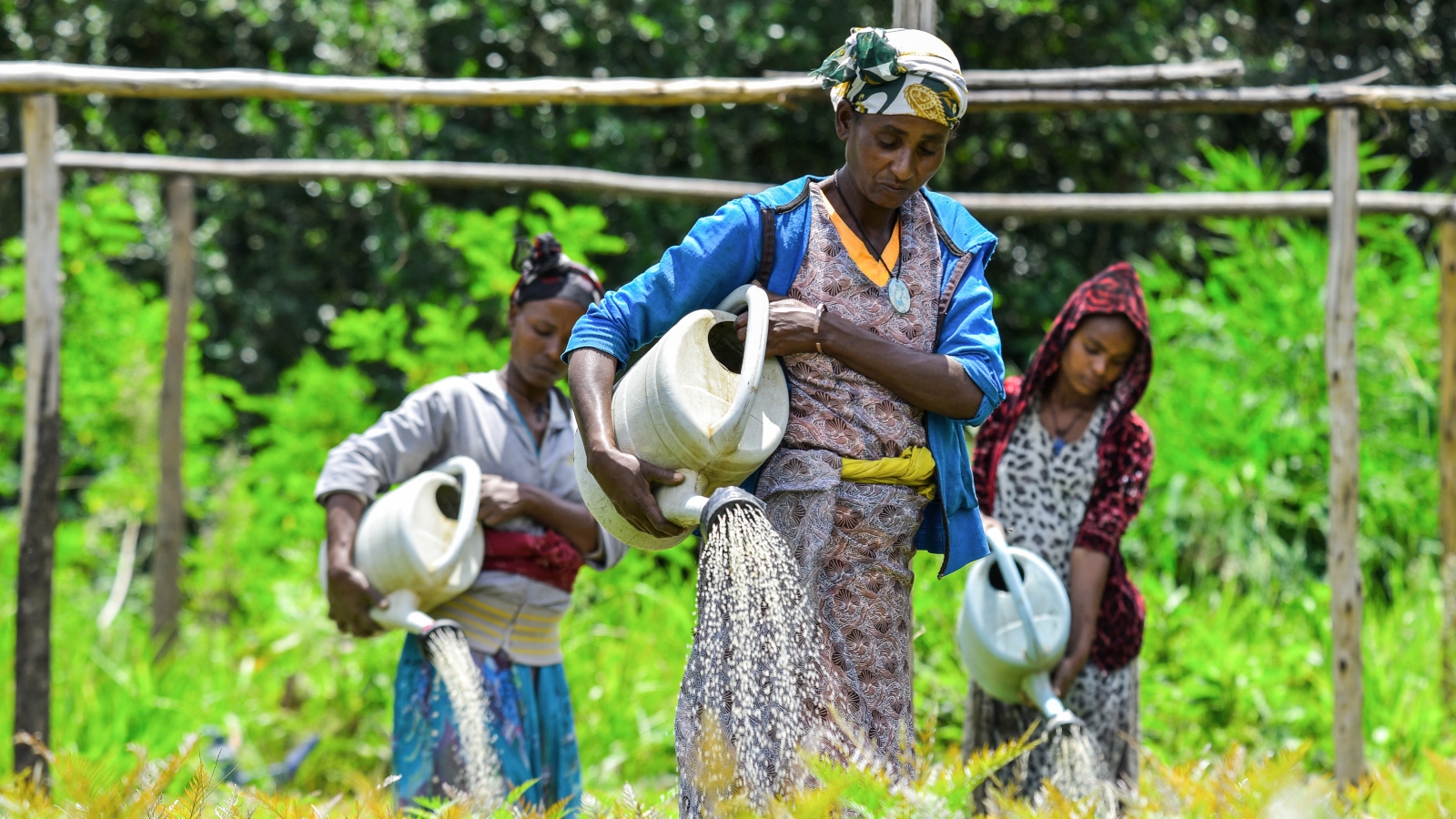
- Ethiopia's Green Legacy Initiative has mobilized tens of millions of citizens to plant more than 47 billion seedlings since 2019, aiming for 50 billion by 2030; in August, 26.6 million people planted 800 million seedlings in a single day, beating the previous year's 714.7 million.
- Ethiopia's government reports national forest cover rose from 17.2% in 2019 to 23.6% in 2023, while annual deforestation dropped from more than 350 square miles in 2013 to roughly 100 square miles in 2023.
- Ethiopia's federal budget committed 0.5% to 1% of annual spending (roughly $73 million to $145 million) to a new landscape restoration fund in 2024, a commitment development experts say helped Ethiopia secure hosting rights for next year's UN climate conference.
- Nord University ecologist Emiru Birhane Hizikias warned the campaign has "outpaced the systems" needed on the ground, though a 2026 study of 44,500+ Green Legacy seedlings in southern Ethiopia found about 80% survived — significantly higher among older seedlings and those planted by trained volunteers.
- Abijata-Shalla National Park saw rising lake levels and returning wildlife — including Grant's gazelles, wild dogs, cormorants, and African darters — after replanting and terrace-building helped water infiltrate the soil, according to Ethiopian Wildlife Conservation Authority director-general Kumera Wakjira.
- Wageningen University researcher Aad Kessler compared Ethiopia's effort to China's Loess Plateau restoration, noting both share a "do it massively" approach; the contrast: China paid farmers to take degraded slopes out of cultivation, while Ethiopian smallholders still depend on the same land for food and livelihoods.
Why it matters: Land degradation costs Ethiopia an estimated $4.3 billion a year and contributed to 15.8 million Ethiopians needing food assistance in 2024, so the survival rate of these seedlings — not the planting tally — determines whether the country secures real gains in topsoil, water, and crop yields. The hosting of the 2026 UN climate conference will put Ethiopia's model under global scrutiny as a test case for whether mass mobilization can substitute for land taken out of production.
Ask SkimNews