GLP-1 Drugs Linked to 7% Hair Loss Risk in At-Risk Men — SkimNews
Get the Health newsletter
Daily health & science — research, biotech, public health, the studies worth knowing. Free.
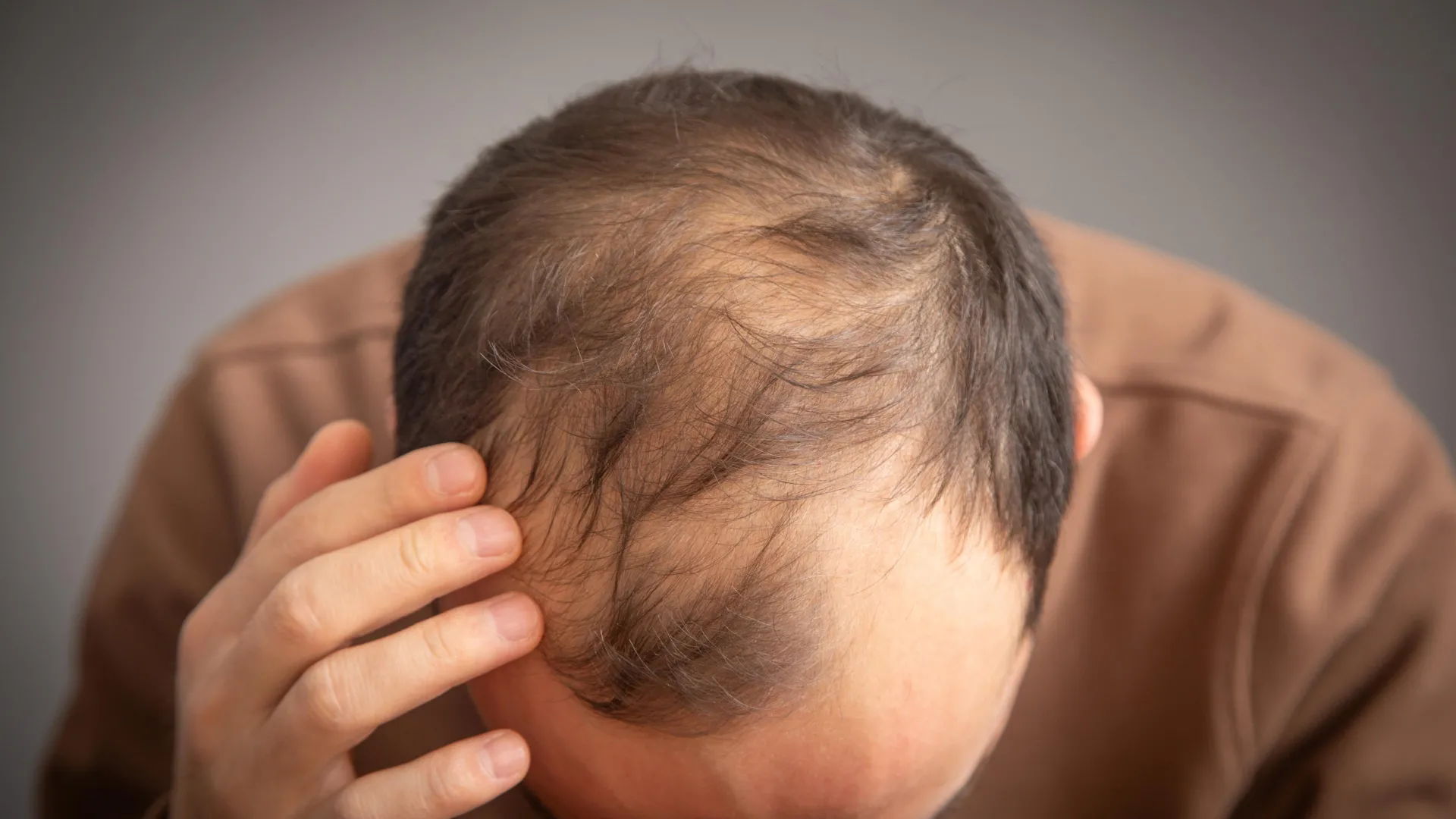
- NYU Langone researchers found that GLP-1 drugs such as Ozempic, Wegovy, and Zepbound may raise hair-loss risk by 7% in men genetically susceptible to androgenetic alopecia, the most common form of male-pattern baldness
- The study, published Sept. 3 in the Journal of Investigative Dermatology, used Mendelian randomization to compare genetic patterns from the eQTLGen database (31,684 mostly White individuals) and the Complex Traits Genetics database (205,327 mostly White men) against genes linked to androgenetic alopecia
- The 7% additional risk persisted even after researchers controlled for hypertension, insulin resistance, and reduced testosterone — three conditions previously thought to potentially explain the link — pointing to an independent biological connection between GLP-1 receptor activity and hair follicles
- Senior investigator Lynn Petukhova, PhD, an assistant professor at NYU Grossman School of Medicine, said the findings represent 'the first genetic link' between GLP-1 use and male-pattern hair loss, an association 'long suspected but until now not shown scientifically'
- Researchers could not examine women because male-pattern hair loss has been studied far more extensively than female hair loss; Petukhova said she plans to investigate whether the same genetic connection exists in women
- The team envisions using the findings to eventually screen patients for hair-loss risk before prescribing GLP-1 medications and to offer combination treatments such as minoxidil to high-risk users
- GLP-1 use has surged since Ozempic's 2020 FDA approval, with prescriptions more than tripling; an estimated 12% of Americans have used GLP-1 drugs for weight loss, including one-fifth of women aged 50 to 64
Why it matters: Until now, GLP-1-related hair shedding was largely attributed to rapid weight loss, which often reverses as weight stabilizes. By identifying an independent genetic vulnerability that persists even after controlling for hypertension, insulin resistance, and testosterone, the study reframes hair loss as a potential intrinsic side effect of the drug class itself — affecting prescribing decisions for the roughly 12% of Americans now using these medications.
Ask SkimNews